
Planting
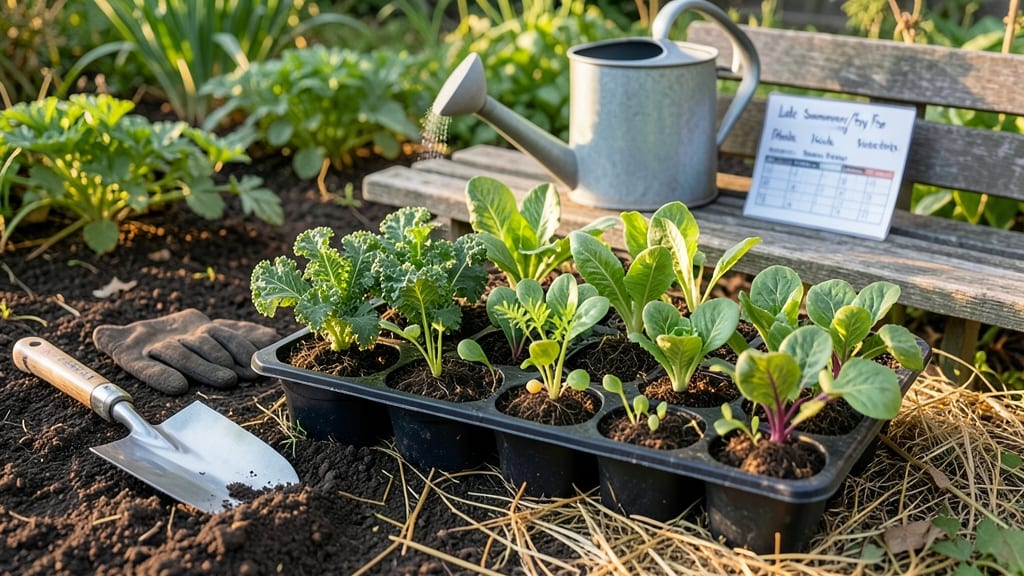
When to plant a fall garden in Missouri isn't just about avoiding frost—it's about unlocking a harvest that lasts well into winter. With USDA Zone 5b-6a conditions and microclimates ranging from St. Louis's urban warmth to the Ozarks' cooler valleys, planting too early or late can mean the difference between a thriving garden and a sad, frost-bitten disappointment.
Most Missouri gardeners know the basics—plant 🌱 fall vegetables like kale and carrots in late summer—but the real secret lies in those 4-6 weeks before first frost.
That window (typically mid-August to mid-September) is your golden ticket to a bountiful fall harvest, but getting it wrong could leave you scrambling when temperatures drop. Let me show you exactly how to nail those planting dates for your specific region.
Why does this matter? Because a well-timed fall garden doesn't just extend your growing season—it gives you fresh, homegrown produce when grocery store options dwindle. We're talking crisp lettuce, sweet carrots, and hearty greens that taste better than anything you'll find in a store.
The key? Understanding how Missouri's climate quirks affect your planting schedule.
In this guide, I'll break down the exact weeks you should plant based on your location, share frost-proofing tricks to push your harvest later, and reveal the most common mistakes Missouri gardeners make—and how to avoid them. Ready to turn your fall garden into a success story?
Missouri’s fall planting timeline by region: weeks before first frost
Missouri’s first frost dates vary dramatically—from October 15 in northern zones to mid-November in the southern Ozarks. This means your fall garden planting window shifts based on location, with 4-6 weeks before frost being the golden rule for most cool-season crops.
For example, in St. Louis (Zone 6a), aim for mid-August to early September, while Springfield (Zone 6b) can extend until late September.
Local microclimates add complexity: Urban areas like Kansas City may experience earlier frosts due to heat retention, while rural Ozark valleys often stay warmer. Always check your USDA Zone and adjust planting dates accordingly.
For instance, carrots and spinach thrive with 60-70 days to maturity, so planting them too late risks bolting before harvest.
Here’s how to align your planting with Missouri’s three key regions—Northern, Central, and Southern—using average frost dates as your guide. The comparison below breaks down optimal planting windows, cold-hardy crops, and microclimate adjustments for cities like Columbia, Springfield, and St. Louis.
For leafy greens like spinach or root crops like carrots, prioritize planting 60–70 days before frost.
In St. Louis, this means late August for early varieties, while Southern Missouri can wait until early September. Broccoli and cauliflower, which need 75–90 days, should start 6–8 weeks before frost—so mid-August in the north and late August in the south.
Pro tip: Use soil thermometers to confirm 50°F+ soil temps before planting. Cool soils slow germination, so warm beds with black plastic if needed. In Northern Missouri, this might mean planting under hoop houses or using straw mulch to insulate roots.
Missouri’s fall garden success also depends on succession planting. For example, sow radishes (25-day harvest) every 2 weeks from mid-August to early October to ensure continuous harvests. Similarly, lettuce varieties like ‘Winter Density’ tolerate light frosts and can be planted 3 weeks before frost.
Don’t overlook hardening off seedlings if you’re starting indoors. Move plants to partial shade for 3–5 days before transplanting to acclimate them to Missouri’s cooler fall temps. This reduces shock and ensures faster establishment, which is critical when frost looms.
If you’re in Zone 6a or colder, consider cold frames or low tunnels to extend harvests into December. These methods add 10–14°F protection, letting you grow kale and spinach long after the first frost. Just be sure to ventilate on warm days to avoid overheating.
Finally, keep a planting journal to track your local frost dates and adjust future schedules. Missouri’s climate shifts yearly—what worked in 2022 might not in
How to extend your fall garden season: frost-proofing tips for Missouri growers
Missouri’s first frost typically arrives between mid-October and early November, but with the right strategies, you can keep harvesting well past that date. The secret lies in frost-proofing techniques that protect tender plants while maximizing your garden’s potential.
I’ve tested these methods in my own Missouri garden, and they’ve extended my fall harvest by 3-4 weeks—sometimes even longer!
Start with cold-hardy varieties like kale, spinach, and carrots, which thrive in cooler temperatures. These plants can handle light frosts (down to 25°F) without damage, giving you a head start.
Pair them with row covers or low tunnels to shield more sensitive crops like lettuce and broccoli from sudden temperature drops.
Here’s my ranked list of the top frost-tolerant crops for Missouri, along with their ideal planting depth and spacing to maximize yield:
For extra protection, consider hoop houses or cold frames. These simple structures can raise temperatures by 5-10°F, allowing you to grow heat-loving crops like tomatoes and peppers well into October. Just ensure proper ventilation to prevent overheating during sunny days.
Another game-changer? Succession planting every 2 weeks from late July through mid-September. This ensures a steady supply of fresh produce as older crops mature. For example, plant a new batch of radishes every 3 weeks—they’re ready in just 25 days and can handle light frosts!
Finally, don’t underestimate the power of mulching. A thick layer of straw or leaves insulates soil, keeping roots warmer and protecting against soil heaving during freeze-thaw cycles. This simple step can mean the difference between a thriving garden and one struggling to survive the cold.