
Plants
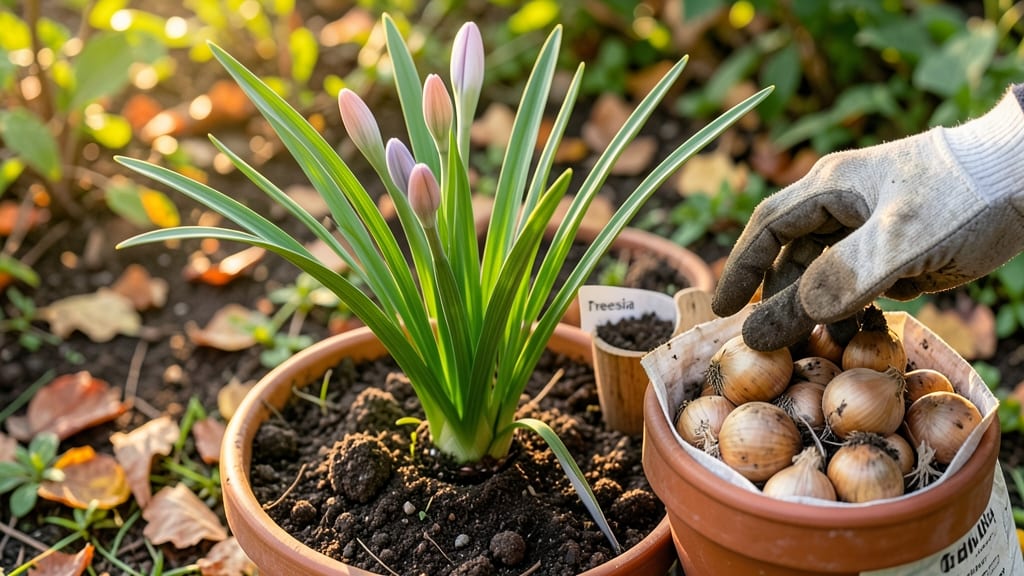
UK freesia planting calendar: month-by-month zero-frost guide
Timing freesia bulbs perfectly in the UK means avoiding early frosts that can damage tender roots while ensuring they flower by late spring. The ideal window spans from September to November, but regional variations demand careful planning—especially in Scotland’s cooler climate.
Freesias thrive in USDA zones 8-10, but UK gardeners must account for last frost dates (mid-May in London, early May in Cornwall). Planting too early risks rot from winter rains, while late planting delays blooms until summer’s end.
🌱 Key Takeaway: Aim for soil temperatures above 10°C (50°F)—use a soil thermometer if unsure. In colder regions, extend the window into early December for spring blooms.
In Scotland and Northern England, delay planting until October-November to avoid early frosts. Use cloches or fleece for extra protection—freesias hate soil temps below 5°C (41°F), which stunts growth.
For container gardening, plant in late September to ensure bulbs establish before winter rains. Place pots near south-facing walls to trap heat and reduce frost risk by 30%.
Missed the window? Chit bulbs indoors (place in bright, cool spot for 4-6 weeks) to jumpstart growth. This trick adds 2-3 weeks of bloom time—critical for UK gardeners with tight schedules.
🌿 Regional Hack: In Cornwall and Devon, freesias often bloom earlier (March-April) due to milder winters. Plant August-September for Christmas flowers with proper chilling.
After planting, mark bulb locations with biodegradable tags—UK’s unpredictable weather can make spots hard to find when spring arrives. This prevents accidental digging during early spring maintenance.
💡 Frost Alert: If hard frosts (-5°C/23°F) hit before blooms, cover plants with hessian sacks at dusk. Freesias are tender perennials—protecting them extends their lifespan by 2+ years.
UK freesia planting calendar: month-by-month zero-frost guide
Freesias thrive in the UK when planted at the right time, avoiding both early frosts and overly warm soil that can trigger premature sprouting. The ideal window spans from September to November, but regional differences mean adjustments for Scotland, Wales, and England.
Let’s break down the month-by-month risks and optimal conditions to ensure your bulbs bloom beautifully next spring.
In September, soil temperatures are cooling but still warm enough to prevent frost damage to newly planted bulbs. This is the safest month for most UK regions, especially in southern England where frosts arrive later.
For Scotland and northern England, wait until late September to minimize risk. The key is planting when nighttime temperatures drop below 10°C (50°F) but daytime warmth remains consistent.
October is the peak planting month for freesias across the UK, offering a balance of soil warmth and frost-free windows. By mid-October, soil temperatures typically fall below 10°C (50°F), signaling it’s time to plant.
In warmer microclimates like Cornwall or coastal areas, you can extend planting into early November. However, avoid planting late November in colder regions, as bulbs may not establish roots before winter dormancy.
🌱 UK Freesia Planting Timeline
| Month | UK Regions | Soil Temp (°C) | Risk Level |
|---|---|---|---|
| September | England/Wales (South) | 12-15°C | Low (Safe) |
| September | Scotland/Northern England | 8-12°C | Medium (Wait until late Sept.) |
| October | All UK Regions | 10-12°C | Low (Ideal) |
| November | Southern England/Cornwall | 8-10°C | Medium (Early Nov. only) |
| November | Scotland/Northern England | 6-8°C | High (Avoid) |
If you miss the September-November window, don’t despair—December planting is still possible in mild UK winters, particularly in sheltered microclimates or under cloches. However, bulbs planted in December may take longer to establish and could face higher frost risk in exposed areas.
For container-grown freesias, December planting is safer, as pots can be moved to protected spots or even indoors during hard frosts.
Timing isn’t just about months—it’s also about soil readiness. Freesia bulbs need well-drained soil that’s cool but not frozen. Test soil temperature with a thermometer (ideal: 10-15°C) or use the "finger test": if soil feels cool to touch but isn’t icy, it’s ready.
In clay-heavy UK soils, mix in sand or grit to improve drainage and prevent bulb rot.
For late bloomers, consider chitting bulbs (pre-sprouting indoors) in late winter (February-March) to jumpstart growth. This technique is especially useful for Scotland gardeners where short summers mean every day counts. Plant chitted bulbs outdoors in April, once frost risk has passed and soil warms to 10°C (50°F).
Remember: Freesias reward patience. Planting at the right time ensures vibrant blooms from late spring to summer, while wrong timing risks frost damage or missed seasons. Mark your calendar for September-October and adjust for your local frost dates—your future fragrant garden will thank you! 🌸