
Plants
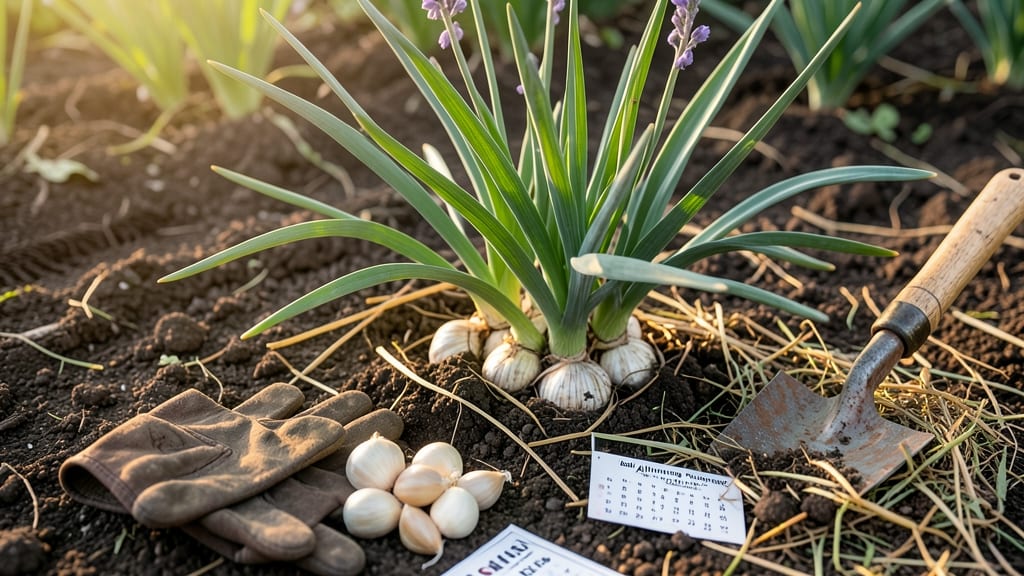
Timing your garlic 🧄 planting in Zone 4 isn't just about throwing cloves in the dirt—it's the key to growing those prized hardneck bulbs you'll harvest next summer. Plant too early, and your garlic might bolt; too late, and frost will ruin your chances before they even sprout.
The sweet spot? Late fall, when soil temps dip but before the ground locks up for winter.
Most gardeners in Zone 4 swear by planting between October and November, giving cloves 4-6 weeks to root before the first hard freeze. But what happens if your fall gets a surprise early snowstorm?
Or if you're new to garlic-growing and missed the window? I'll walk you through the exact deadlines, regional tweaks, and emergency fixes so you don't waste a single clove.
You'll discover how to read your soil's temperature cues, adjust for microclimates in your yard, and even salvage a crop if you plant late.
Whether you're a seasoned gardener or a first-timer with a bag of garlic from the store, these strategies will help you grow the biggest, most flavorful bulbs your Zone 4 garden can produce.
Let's get to the most important part: turning your fall planting into a summer harvest that'll make your neighbors jealous. Ready to learn how? Let's dive in.
Zone 4 fall garlic planting deadlines by variety type
In Zone 4, timing your garlic planting correctly is the key to growing hardy hardneck varieties that thrive in cold climates. The ideal window is 4-6 weeks before the ground freezes, typically between mid-October and early November.
This timing allows cloves to establish roots before winter dormancy sets in. For softneck garlic, which is less cold-hardy, you can extend planting slightly later—up to mid-November—but hardneck is the preferred choice for Zone 4.
Your local first frost date (usually around October 1 in Zone 4) is your deadline. Planting too early risks rot, while waiting too long means cloves won’t root deeply enough to survive winter.
Soil temperature should be below 40°F but above freezing—this triggers dormancy and protects young roots. Use a soil thermometer to check if you’re unsure.
Here’s how to adjust your planting schedule based on garlic variety and micro-climates in Zone 4:
| Variety Type | Ideal Planting Window | Soil Temp Trigger | Zone 4 Notes |
|---|---|---|---|
| Hardneck (e.g., 'German White', 'Music') | Mid-October to early November | 40-50°F (4-6°C) | Best for cold climates; produces scapes |
| Softneck (e.g., 'Artichoke', 'Silverskin') | Late October to mid-November | 45-55°F (7-13°C) | Less cold-hardy; store better but fewer scapes |
| Elephant Garlic (e.g., 'Inchelium Red') | Late September to early October | 50-60°F (10-16°C) | Plant earlier; larger bulbs but fewer cloves |
🌱 Pro Tip: Hardneck varieties are the gold standard for Zone 4—prioritize them for best yields!
If you’re in a warmer micro-climate within Zone 4 (like near a large body of water), you might push planting to early December. Conversely, in colder pockets, aim for late September to early October to avoid early freezes.
Always plant 2-3 weeks before your area’s average first hard frost—this gives roots time to anchor before winter.
For hardneck garlic, focus on late October planting. This variety thrives in cold winters and produces scape shoots in summer, which you can harvest for extra flavor. Break apart whole garlic bulbs into individual cloves, ensuring each has a papery skin attached—this protects against rot.
Plant the largest cloves (½–1 inch deep) for bigger bulbs next year.
Soil preparation is just as critical as timing. Work in compost or aged manure to improve drainage, and avoid fresh organic matter, which can cause rot. A slightly acidic to neutral pH (6.0–7.0) is ideal.
In heavy clay soils common to Zone 4, mix in sand or perlite to prevent waterlogging. Mulch with straw or leaves after planting to insulate cloves from temperature swings.
One common mistake is planting garlic in spring. While possible, spring-planted garlic in Zone 4 rarely matures fully before summer heat sets in. It’s better to save spring for green garlic (harvesting young shoots) or focus entirely on fall planting for bulbs.
If you miss the fall window, consider container growing in a sunny spot—just ensure pots drain well and move them to a garage during winter.
Remember, garlic is a cool-season crop, and the longer the cold period, the larger the bulbs. Zone 4’s 165 frost-free days are perfect for this cycle.
By planting at the right time, you’re setting up your garlic for a summer harvest—typically July to August—when bulbs are plump and ready to cure.
Zone 4 fall garlic planting deadlines by variety type
In Zone 4, your garlic planting window is narrow—just 4-6 weeks before the ground freezes—but this tight schedule is what makes hardneck varieties thrive.
Most gardeners aim for mid-October to early November, but the exact timing depends on whether you're growing hardneck (like Rocambole or German White) or softneck (like Silverskin) garlic.
Hardneck garlic, the star of Zone 4 gardens, needs cold stratification to form those prized scapes and cloves. Plant too late, and you risk stunted growth or no harvest at all.
Softneck varieties are more forgiving but still benefit from a fall start. Let's break down the ideal planting windows and what your soil temperature is telling you.
| Variety Type | Ideal Planting Window | Soil Temp Cue | Notes |
|---|---|---|---|
| Hardneck (Rocambole, German White) | Mid-October to early November | 40-50°F (4-10°C) | Needs cold for scape formation |
| Softneck (Silverskin, Artichoke) | Late October to December | 35-45°F (2-7°C) | More frost-tolerant |
| Elephant Garlic | Early October to November | 45-55°F (7-13°C) | Larger cloves need earlier start |
Your soil temperature is the real deadline-maker. Use a soil thermometer to check when temps consistently drop to 40-50°F (4-10°C)—this is your green light to plant.
In northern Zone 4 (like Minnesota or Upstate New York), aim for early October; in southern Zone 4 (like Chicago or Pittsburgh), you might get away with planting until mid-November.
Pro tip: If your fall is unusually warm, hold off planting until temps drop. Garlic cloves won't sprout until soil temps are cool, so there's no rush to get them in the ground early. Patience here pays off with bigger bulbs come harvest time.
Once you've nailed the timing, the next step is preparing your soil. But first, let's tackle those tricky weather scenarios that can throw off even the best-laid plans—like early snow or late frosts. We'll cover how to adjust your planting schedule when Zone 4 weather gets unpredictable.