
Plants
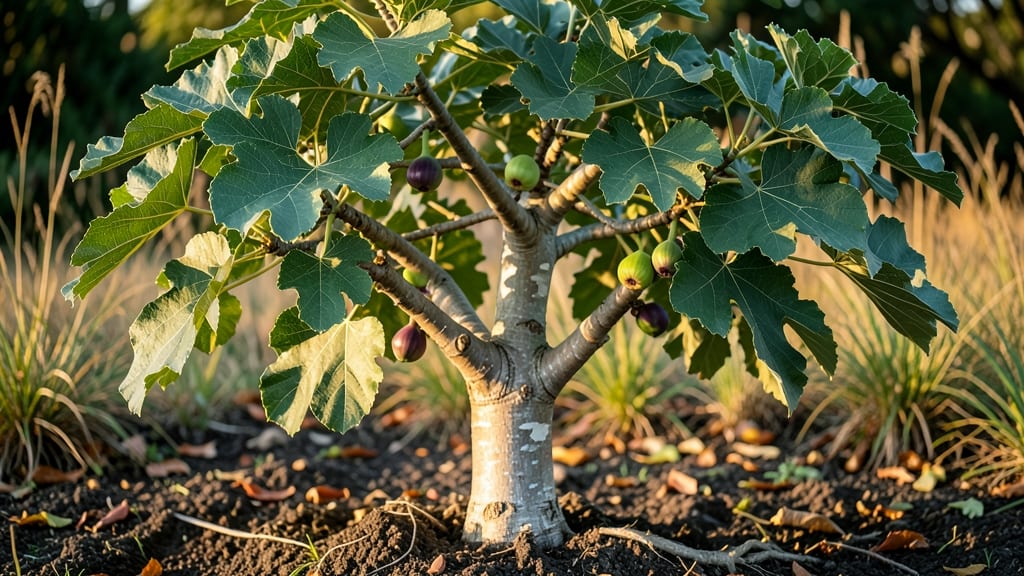
If your 🍈 fig plant looks like it’s struggling—stunted growth, pale leaves, or no fruit—chances are, you don’t know how much light a fig plant needs. Fig plants are sun-worshippers, but too much or too little can spell disaster for your tree.
The secret to lush foliage and sweet harvests lies in understanding exactly how much light your fig needs to thrive, whether it’s basking outdoors or perched by a windowsill.
Most fig varieties crave 6 to 8 hours of direct sunlight daily, but here’s the catch: indoor figs need a south-facing window or grow lights to mimic those golden rays, while outdoor plants in USDA Zone 6a can handle even more—up to 10 hours in peak summer.
Too little light, and your plant stretches leggy and weak; too much, and those leaves crisp like autumn leaves. Let’s fix that.
You’ll discover how to spot the signs of light stress—yellowing leaves, slow growth, or even leaf burn—and how to adjust placement for seasonal changes. Whether you’re dealing with a potted fig on your patio or a young tree in your garden, these tips will help you strike the perfect balance.
No more guesswork—just lush growth and bountiful fruit all season long.
From troubleshooting common mistakes to optimizing indoor setups with grow lights, we’ll cover everything you need to keep your fig thriving.
 Best Window Placement
Fig plant sunlight requirements: ideal light levels for growth and fruit production
Fig plants are sun worshippers—6 to 8 hours of direct sunlight daily is their sweet spot for thriving foliage and bountiful fruit. Without enough light, your plant will stretch leggily toward any available rays, while too much can scorch delicate leaves.
The key lies in understanding your specific fig variety's needs and adjusting for seasonal changes.
Hardy fig varieties like Chicago Hardy or Celeste handle cooler climates better and tolerate partial shade in extreme heat, while tropical types such as Brown Turkey demand full sun year-round. Even a few hours of shade during peak afternoon heat can prevent leaf burn in hotter zones.
🌱 Pro Tip: If your fig plant isn’t fruiting, it’s likely getting too little light. Figs need strong sunlight to produce those sweet, syrupy fruits—think of it as their energy boost for reproduction!
| Fig Type | Sunlight Needs | Shade Tolerance | Fruiting Potential |
|---|---|---|---|
| Hardy Varieties (Chicago Hardy, Celeste) | 6-8 hours full sun | Moderate (afternoon shade in heat) | High with proper light |
| Tropical Varieties (Brown Turkey, Black Mission) | 8+ hours full sun | Low (minimal shade) | Very high with full sun |
| Dwarf Varieties (Little Miss Figgins, Desert King) | 6-7 hours full sun | Moderate (morning sun preferred) | Moderate (smaller fruit yield) |
Seasonal adjustments are crucial—summer’s intense rays can overwhelm even hardy figs, while winter’s weaker sunlight might not provide enough energy for growth. In hot climates, provide afternoon shade with a sheer curtain or move potted figs to a slightly shaded spot between 12 PM and 4 PM.
Watch for light stress symptoms: yellowing leaves, slow growth, or no fruit are all red flags. If your fig’s leaves turn pale green or stretch excessively toward the light, it’s begging for more sun. Conversely, crispy edges or brown patches mean it’s getting too much direct heat.
🌿 Quick Fix: Rotate your potted fig plant weekly to ensure even light exposure on all sides. Uneven sunlight causes lopsided growth and weakens the plant’s structure.
For container-grown figs, place them near south-facing windows or on a sunny patio. If you’re growing outdoors, position them where they’ll receive morning sun and afternoon shade during peak summer months. Mulching around the base helps regulate soil temperature, reducing stress from extreme heat.
Indoor figs need the brightest spot you can offer—even a south-facing window may not provide enough light during winter. Supplement with a grow light (12-14 hours daily) if natural light drops below 4 hours. LED grow lights are energy-efficient and mimic sunlight perfectly for figs.
💡 Remember: Figs are resilient but finicky about light. The goal is to mimic their natural Mediterranean habitat—plenty of sun, but protection from scorching midday heat in extreme climates.
How to provide perfect light for fig plants: indoor vs. outdoor solutions
Fig plants thrive when given the right light, but indoor and outdoor setups require different approaches. For outdoor figs, aim for 6-8 hours of direct sunlight daily.
Place your plant in a south-facing location to maximize exposure, especially during peak sunlight hours between 10 AM and 4 PM. If your yard has afternoon shade, opt for a dwarf variety like 'Little Miss Figgie' to avoid leggy growth.
Indoor figs need bright, indirect light near a south- or west-facing window. East-facing windows work too, but supplement with a grow light if natural light drops below 4 hours daily. Avoid placing your fig in dim corners or behind curtains—this leads to pale, weak leaves and poor fruiting.
Indoor vs. Outdoor Light Solutions
- ✅ 6-8+ hours direct sun
- ✅ South/west exposure preferred
- ✅ Dwarf varieties tolerate partial shade
- ✅ Natural seasonal light adjustments
- ✅ South/west window placement
- ✅ Grow light for 12-14 hours/day
- ✅ Rotate plant weekly for even growth
- ✅ LED grow lights (full spectrum) recommended
- ⚠️ Leaf scorch in intense afternoon sun
- ⚠️ Fungal risk from wet foliage
- ⚠️ Winter dormancy needs protection
- ⚠️ Leggy growth in low light
- ⚠️ Pale leaves from weak light
- ⚠️ No fruiting without enough light
For grow lights, use full-spectrum LEDs placed 6-12 inches above the plant. Run them for 12-14 hours daily to mimic summer conditions. Move the light higher as your fig grows to prevent overheating.
A simple trick: rotate your plant quarter-turns weekly to ensure even light exposure and prevent lopsided growth.
If your fig starts showing yellowing leaves or stretched stems, it’s craving more light. Try moving it closer to the window or adding a reflective surface (like aluminum foil) behind the pot to bounce extra light.
For outdoor figs, watch for brown leaf edges—this signals too much harsh afternoon sun. Provide afternoon shade with a sheer curtain or mesh during peak heat.
Seasonal adjustments are key! In summer, figs love full sun, but in winter, reduce direct light to prevent stress. If growing indoors, supplement with a timer-controlled grow light to maintain consistent 10-12 hours of light daily during shorter winter days.
This keeps your fig healthy and ready to fruit when spring arrives.