
Plants
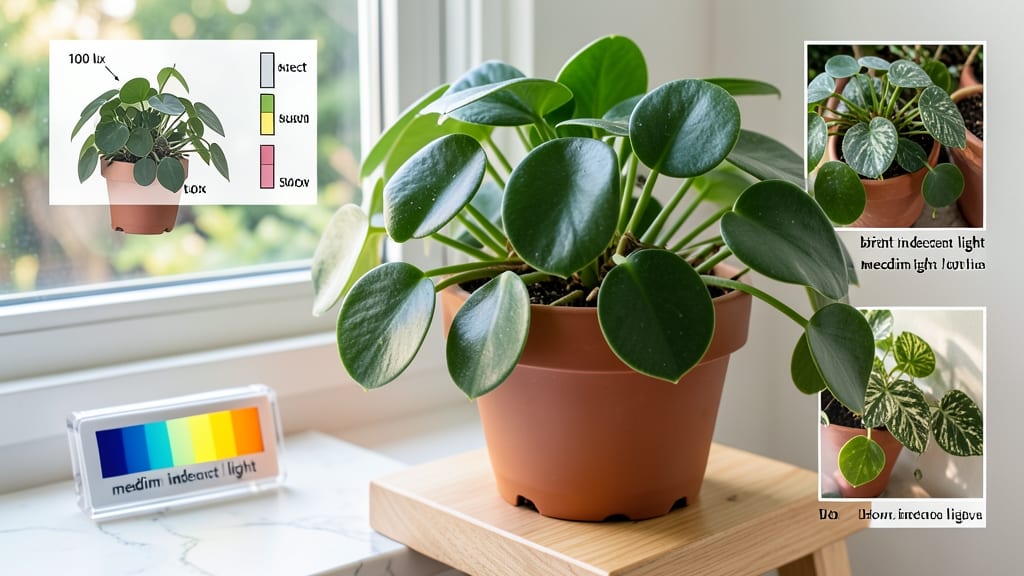
If your Hoya 🌿 plant looks sad—leggy stems, pale leaves, or no flowers—chances are, its light needs aren’t being met. The truth? Hoyas thrive in bright indirect sunlight, but too much direct sun or too little light can turn your tropical vine into a struggling survivor.
I’ll break down exactly how much light your Hoya craves, how to spot the signs of light stress, and the easiest fixes to bring it back to life.
Most Hoya varieties, like the popular Hoya carnosa or Hoya kerrii, need 6–8 hours of bright, filtered light daily. That means placing them near an east or north-facing window where they get morning sun but avoid harsh afternoon rays.
Too little light? Your plant will stretch toward the window, growing weak and sparse. Too much? You’ll see crispy brown edges or sunburned patches.
Don’t worry if your home lacks natural light—grow lights can save the day. I’ll share my go-to setup for supplementing light, whether you’re dealing with a low-light apartment or a bright but unpredictable outdoor space.
With the right balance, your Hoya will reward you with glossy leaves and stunning blooms year-round.
The key is understanding your plant’s personality. Some Hoyas, like Hoya obovata, handle a little more direct sun, while others, like Hoya linearis, prefer gentler conditions. Let’s figure out what your specific Hoya needs to flourish—and keep those vines thriving for years to come.
 Best Window Placement
Optimal light requirements for Hoya plants: bright indirect sunlight explained
Hoya plants thrive in bright indirect sunlight, mimicking their native tropical understory habitats. Unlike sun-loving succulents, Hoyas burn easily under direct midday rays, yet they need ample light to produce those iconic waxy leaves and fragrant flowers.
Think of it as morning coffee light—bright but filtered, like sunlight through a sheer curtain.
The ideal light spectrum for Hoyas falls between 1,000-3,000 foot-candles, which translates to 6-8 hours of filtered sunshine daily. This means placing them near east-facing windows (gentle morning sun) or north-facing windows (no direct sun).
South or west windows can work too, but only if you diffuse the light with a sheer curtain or sheer.
Here’s the light intensity breakdown Hoyas tolerate: Low light (under 1,000 ft-candles): Leads to leggy, pale growth and fewer flowers. Medium light (1,000-3,000 ft-candles): Perfect for compact, glossy leaves and occasional blooms. High light (over 3,000 ft-candles or direct sun): Causes leaf scorch (brown patches) and crispy edges.
Seasonal adjustments matter too. In summer’s intense sun, Hoyas may need afternoon shade (move them 2 feet back from the window). In winter’s weak light, supplement with a grow light if leaves start stretching toward the window—a classic sign of light deprivation.
🌿
| Light Condition | Foot-Candles | Hoya Response | Best For |
|---|---|---|---|
| Low Light | Under 1,000 | Leggy growth, pale leaves, few flowers | North-facing windows, deep shelves |
| Medium Light | 1,000–3,000 | Compact, glossy leaves, occasional blooms | East/west windows, 2–3 ft from south window |
| High Light | Over 3,000 | Leaf scorch, crispy edges, stunted growth | Direct sun exposure (avoid!) |
| Direct Sun | Varies | Burnt spots, wilting, dead leaves | South/west windows without shade |
For outdoor Hoyas, position them under dappled shade—think tree canopies or lattice trellises where sunlight filters through leaves. Varieties like Hoya carnosa handle slightly more sun than Hoya linearis, but all Hoyas appreciate protection from harsh afternoon rays.
Rotate your plant quarter-turns weekly to ensure even growth and prevent lopsided vines.
Pro tip: If your Hoya’s leaves are pointing toward the light, it’s begging for more brightness. If they’re yellowing or curling, it’s getting too much direct sun. The goal is balanced light exposure—enough to fuel photosynthesis but not enough to cause stress.
🪴
In low-light homes (like basements or windowless offices), choose low-light tolerant Hoyas like Hoya obovata or Hoya linearis. Pair them with a 12-hour LED grow light (full spectrum) placed 6–12 inches above the plant. Even a simple 10-watt bulb can make a difference if positioned correctly.
Remember: Hoyas are adaptable, but they communicate their needs through leaf color and growth patterns. Pay attention to these visual cues, and you’ll master the art of Hoya lighting in no time.
Signs your Hoya isn’t getting enough (or too much) light
Your Hoya 🌿 speaks volumes through its leaves—pay attention to these visual clues that reveal whether it’s basking in perfect light or struggling. Pale, stretched leaves signal insufficient light, while brown, crispy edges mean it’s getting too much direct sun.
Even flower production slows down when light conditions aren’t ideal, leaving you with fewer of those stunning waxy blooms.
Start by checking your Hoya’s leaf color. Healthy leaves should be deep green and glossy, almost waxy to the touch. If they’re yellowing or turning pale, it’s begging for more brightness. On the flip side, reddish or brown patches on the edges?
That’s a classic sign of sunburn from harsh afternoon rays. These issues often appear first on the older leaves, so don’t ignore those warning signs.
Another red flag is leggy growth. When Hoyas stretch unusually tall and weak toward the light source, they’re etiolating—a term for plants that grow spindly due to light deprivation. This happens when your Hoya is too far from a window or in a dim corner.
The stems may also lose their thickness, making them look like thin, rubbery strings instead of sturdy vines.
Now, let’s talk flowering habits. Hoyas like Hoya carnosa and Hoya obovata need consistent light to trigger blooms. If your plant refuses to flower despite being mature, it’s likely not getting enough light. Even if flowers appear, they may be smaller or less vibrant than they should be.
Pro tip: Rotate your Hoya every few weeks so all sides get even light exposure—this encourages balanced growth and better flowering.
Here’s how to diagnose quickly:
- Check leaf color (pale = needs more light; brown = too much sun)
- Observe growth pattern (stretched = light-starved; crispy = sunburned) 3.
Note flowering frequency (rare blooms = light issue) 4. Feel the leaf texture (soft = healthy; brittle = stressed) Take action based on what you see—your Hoya’s survival depends on it!
🌱 Light Stress Symptoms in Hoyas
- Pale, yellowish leaves
- Long, weak stems
- No flowers or sparse blooms
- Leaves grow small and sparse
- Brown, crispy leaf edges
- Bleached or white patches
- Leaves curl or pucker
- Stunted growth despite sunlight
- Move to east or north window
- Use sheer curtain for indirect light
- Rotate plant weekly for even growth
- Add grow light 6–8 hours/day
Don’t panic if you spot these signs—most Hoyas recover quickly when you adjust their light conditions. Start by moving your plant gradually (over 1–2 weeks) to avoid shocking it.
If you’re dealing with sunburn, trim the damaged leaves and keep it in shadier conditions for a few days while it heals. For light-starved Hoyas, a south-facing window with a sheer curtain or a grow light 6 inches above can work wonders.
Remember, every Hoya variety has its light preferences. Hoya kerrii (the sweetheart Hoya) is more forgiving, while Hoya linearis needs gentler light. Experiment with placement and observe how your plant responds—its leaves will thank you with glossy, vibrant foliage and show-stopping flowers.
With the right light, your Hoya will thrive for years!