
Trees
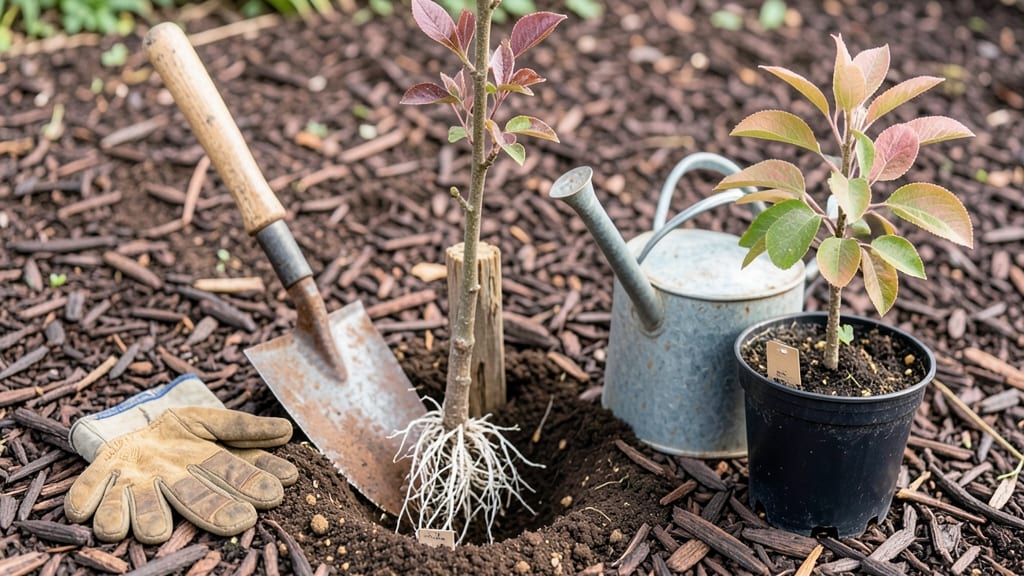
Timing your fruit tree planting in Kansas could mean the difference between a thriving orchard and years of disappointment—especially when unpredictable spring frosts lurk around every corner. With USDA Zones 5b-7a throwing curveballs like late freezes or early heatwaves, knowing the exact window matters more than you’d think.
Most gardeners assume spring is the only option, but fall planting actually gives your 🍎 fruit trees a head start by letting roots establish before winter’s chill.
We’ll break down the best months for each variety—whether you’re growing peaches, apples, or walnuts—so you can avoid the April 15 frost risk that catches so many off guard.
Soil prep, bare-root vs. container planting, and even microclimates (like urban heat islands) all play a role in success. I’ll walk you through the step-by-step process, including when to adjust for Kansas’ wild weather swings, so your investment doesn’t end up in the compost pile.
Ready to plant with confidence? Let’s dive into the exact deadlines and pro tips that’ll have your orchard thriving—no guesswork required.
Best planting months for fruit trees in Kansas by variety
Kansas’ USDA Zone 6 climate demands precision when planting fruit trees. The ideal window spans from late winter to early spring (February–April) or fall (October–November), but varieties differ in sensitivity to frost and dormancy needs.
Stone fruits like peaches and cherries need chilling hours, while apples and walnuts tolerate broader windows. Timing isn’t just about months—it’s about soil temperature and bud dormancy stages.
For bare-root trees, plant in late winter (February–March) before buds swell. Container-grown trees offer more flexibility, allowing fall or spring planting. Fall planting (October) gives roots time to establish before winter, but avoid planting too late—frost can damage tender roots.
Kansas’ average last frost date is April 15, but microclimates (urban vs. rural) can shift this by weeks.
Stone fruits (peaches, plums, cherries) are the pickiest—plant them in early spring (March) to avoid late frosts that can kill blossoms. Pome fruits (apples, pears) are more forgiving, handling fall or spring planting. Nuts like pecans thrive when planted in fall, as their deep roots benefit from winter moisture. Always check your local frost dates using the Kansas State University Extension or USDA Plant Hardiness Zone Map.
🌱 Kansas Fruit Tree Planting Timeline
| Variety | Best Planting Months | Key Considerations |
|---|---|---|
| Stone Fruits (Peaches, Cherries, Plums) | Early Spring (March) | Avoid late frosts; needs 500–1000 chilling hours |
| Pome Fruits (Apples, Pears) | Fall (October) or Spring (March–April) | Fall planting preferred; tolerates wider windows |
| Nuts (Pecans, Walnuts) | Fall (October–November) | Deep roots need winter moisture; plant before soil freezes |
| Citrus (Lemons, Oranges) | Spring (April–May) | Not cold-hardy; plant after last frost; container-grown only |
Kansas’ western regions (Zone 6b–7a) have earlier last frosts (mid-April), while eastern areas (Zone 5b) may see frost into mid-May. Adjust planting dates accordingly—stone fruits in western Kansas can go in February, while eastern Kansas may need to wait until March.
Use a soil thermometer to confirm 50°F soil temps before planting; cold soil stunts root growth.
Container-grown trees simplify timing but require proper acclimation. If planting in fall, harden off container trees by gradually reducing water 2 weeks before transplanting.
For bare-root trees, soak roots in water for 1–2 hours before planting to revive dormant roots. Mulch heavily (3–4 inches) after planting to retain moisture and regulate soil temperature.
Pro tip: Label trees with variety and planting date—Kansas’ variable climate can make tracking growth patterns essential. For example, ‘Honeycrisp’ apples planted in fall may bear fruit 1–2 years earlier than spring-planted trees. Elberta peaches, however, need spring planting to avoid blossom kill from late frosts.
If you miss the ideal window, don’t panic. Fall planting (September–October) is the next best option for most varieties, except stone fruits.
For late spring planting (May), prioritize container-grown trees and water deeply to compensate for heat stress. Shade cloth can protect young trees from Kansas’ intense summer sun until roots establish.
Local nurseries like Kansas Fruit Growers or Pioneer Orchards offer region-specific advice. Ask about dwarf varieties (e.g., ‘Columnar apples’)—they mature faster and are easier to manage in home gardens. Dwarf trees can be planted anytime roots aren’t frozen, but spring or fall still yields the best results.
Remember: Patience is key. Fruit trees planted at the right time in Kansas can live for decades, producing harvests for generations. Start with 1–2 trees to test your soil and microclimate before expanding. With the right timing, your Kansas orchard will thrive—one season at a time.
How to adjust planting dates for Kansas’ unpredictable spring weather
Kansas’ spring weather is notorious for throwing off even the most experienced gardeners. One day it’s 60°F, the next it’s a 28°F frost—leaving your fruit trees vulnerable if you plant too early.
The key is flexibility: monitor soil temperatures (aim for 40°F+) and track local frost forecasts from the Kansas State University Extension.
For bare-root trees, plant as soon as soil is workable—typically late February to early March—but cover roots with mulch if nights dip below freezing. Container-grown trees can wait until mid-April when frost risk drops below 10%.
Use a frost clock (like the Old Farmer’s Almanac) for your specific Kansas county.
🚨 CRITICAL: Never plant when buds are swelling—this signals new growth, which freezes instantly. In western Kansas (Zone 5b), delay until mid-April; in eastern Kansas (Zone 7a), you might squeeze in early March plantings.
🌡️ Warning: Late Frost Risks in Kansas
- Zone 5b (West): 30% chance of frost after April 15—wait until May 1 for stone fruits.
- Zone 6a (Central): 15% chance after April 1—safe for apples/pears by March 20.
- Zone 7a (East):** Rare frosts after March 15—plant peaches by February 28.
Use frost blankets for young trees if planting early. Check K-State’s frost maps weekly.
Microclimates matter too. Urban areas like Wichita or Topeka can be 5°F warmer than rural fields, so adjust dates 1-2 weeks earlier. South-facing slopes warm faster—ideal for early peach plantings—while north-facing yards may need delayed timelines.
Pro tip: Plant container-grown trees in fall (October-November) to avoid spring’s chaos. Their roots establish before winter, giving them a 2-week head start on bare-root competitors. Just water deeply before the first hard frost (28°F) to protect roots.
Finally, keep a planting journal for 3 years to spot patterns in your yard’s frost dates. Kansas’ climate shifts yearly—what worked in 2023 might fail in 2025. Adjust accordingly, and your orchard will thank you with bountiful harvests for decades. 🌱