
Plants
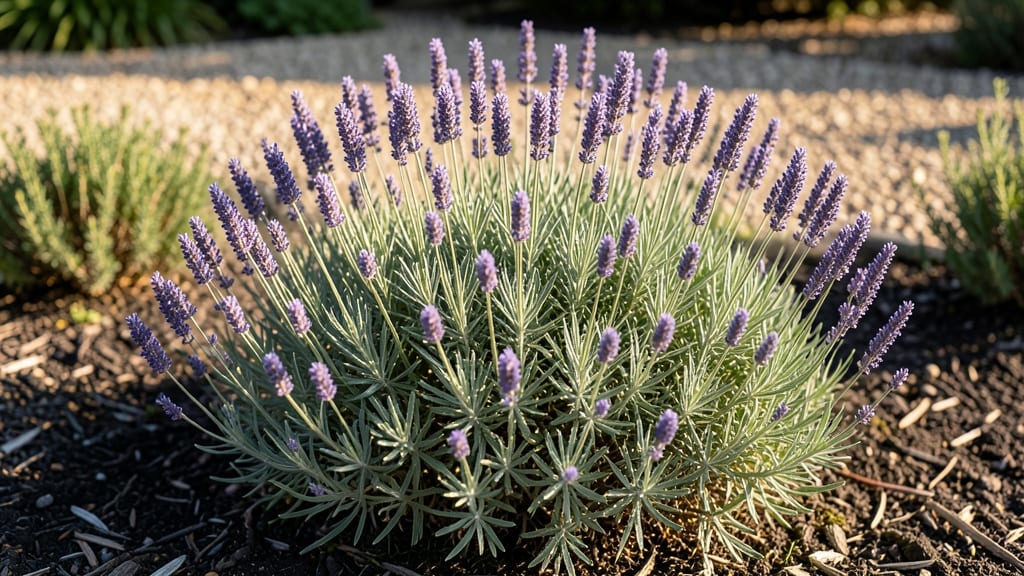
Optimal sunlight requirements for lavender plants: the science behind lush growth
Lavender plants thrive in full sun, but understanding exactly how much sunlight they need is key to unlocking their full potential. Native to Mediterranean climates, lavender evolved to bask in 6 to 8 hours of direct sunlight daily.
This isn’t just a preference—it’s a biological necessity for producing those signature fragrant blooms and compact, woody stems.
The minimum sunlight requirement for lavender is 6 hours of full sun, but most gardeners achieve the best results with 8+ hours. Think of it like a sunbathing ritual: lavender plants grow stronger and more resilient when they get their daily dose of UV rays.
Without enough light, they’ll struggle to develop the aromatic oils that make lavender so beloved.
Here’s the hard truth: lavender in partial shade (less than 4 hours of sun) will produce fewer flowers, weaker stems, and a less intense fragrance.
If you’re in a cooler climate like the Pacific Northwest, you might need to supplement with grow lights during winter months when daylight is scarce.
Now, let’s talk about light intensity. Lavender isn’t just picky about duration—it needs bright, direct sunlight. Dappled shade or filtered light from trees won’t cut it. The ideal scenario is a south-facing exposure in the Northern Hemisphere, where the sun is strongest.
If your garden gets harsh afternoon sun (common in desert climates), you’ll need to provide afternoon shade to prevent leaf burn.
To measure sunlight in your garden, use a sunlight tracker or observe your space for a week. Note when shadows fall and how long they linger.
If your lavender spot gets less than 6 hours of direct light, it’s time to rethink your planting location or consider container gardening near a sunny window or patio.
Here’s a quick light requirement breakdown to help you visualize:
| Light Requirement | Specification | Impact on Lavender |
|---|---|---|
| Minimum | 6 hours of direct sun | Survival mode; sparse blooms |
| Optimal | 8+ hours of direct sun | Vibrant blooms, strong fragrance |
| Maximum Tolerance | Full sun with afternoon shade | Prevents leaf burn in hot climates |
| Partial Shade | Less than 4 hours of sun | Leggy growth, weak stems, poor fragrance |
Did you know? Lavender plants in full sun can produce up to 3x more flowers than those in partial shade. That’s because sunlight triggers the production of flavonoids, the compounds responsible for those vibrant purple blooms and intoxicating scent.
If your lavender isn’t blooming as expected, light deprivation is often the culprit.
For container-grown lavender, place pots in the sunniest spot you can find, even if it means moving them seasonally. A south-facing windowsill or balcony railing can work wonders, especially in urban gardens where space is limited.
Just remember: lavender in containers dries out faster, so pair that sunlight with well-draining soil to avoid root rot.
One common misconception is that morning sun is enough for lavender. While morning sunlight is great, lavender needs consistent light throughout the day.
If your garden only gets morning sun, consider supplementing with a reflective surface like a white wall or mirror to bounce extra light onto the plants. This trick can boost light exposure by up to 20%.
Finally, don’t overlook the seasonal variations in sunlight. In winter, days are shorter, and sunlight is less intense. If you’re in a Zone 5 or colder, your lavender might need a sunny windowsill or grow lights during the darkest months.
With the right light conditions, your lavender will reward you with lush growth, abundant blooms, and that signature lavender fragrance all season long.
Signs your lavender isn’t getting enough (or too much) light
Lavender plants are sun worshippers, and when they don’t get enough light, they’ll send you clear distress signals. One of the first signs is leggy stems—long, bare branches stretching toward any available light source.
This happens because your lavender is desperately trying to reach sunlight, but the result is weak, floppy growth that can’t support those fragrant blooms you love.
Another red flag is sparse or no blooms at all. Lavender needs plenty of light to trigger flowering, so if your plant is sitting in the shade, it might just skip the blooming stage entirely.
Even if buds form, they may stay small or fail to open properly. This is your lavender’s way of saying, “I need more sunlight energy to produce flowers!”
🌿
⚠️ Warning: Overdoing Sunlight Can Burn Your Lavender
Too much sun can be just as harmful as too little. Look for crispy, brown leaf edges or yellowing foliage—these are classic signs of sunburn. Afternoon sun, especially in hot climates, can overheat lavender roots and cause stress. If you notice these symptoms, your plant might need afternoon shade or more frequent watering to cool the soil.
If your lavender’s leaves are pale or grayish-green, it’s likely light-starved. Healthy lavender leaves should be a rich, silvery-green hue. When deprived of sunlight, the chlorophyll production drops, and the plant can’t maintain its vibrant color.
This is often paired with slow growth or a woody, stiff appearance—another sign your lavender is struggling to thrive.
For container-grown lavender, watch for roots crowding the edges of the pot. When light is insufficient, roots grow circularly in search of nutrients, and the plant may outgrow its container quickly.
This is a clear signal to move your lavender to a sunnier spot or upgrade to a larger pot with better drainage.
💧
To fix these issues, start by moving your lavender to a location with at least 6 hours of direct sunlight. If you’re dealing with afternoon sunburn, try placing it where it gets morning sun and afternoon shade.
For indoor lavender, a south-facing window is ideal, but supplement with a grow light if natural light is limited. With the right light conditions, your lavender will bounce back with vibrant blooms and lush foliage in no time.