
Plants
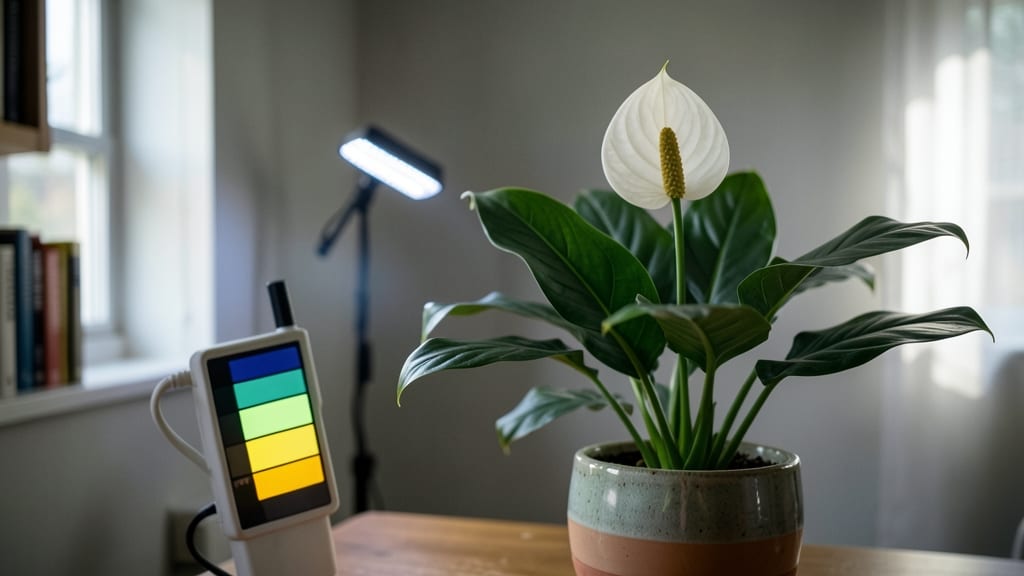
If your peace lily 🌿 keeps struggling despite your best care, the answer might be simpler than you think—how much light does a peace lily plant need to truly thrive?
These plants aren’t just low-light survivors; they love shade, but getting the balance right makes all the difference between droopy leaves and lush, blooming beauty.
Most people assume peace lilies will handle anything, but the truth is they crave bright, indirect light—think filtered sunlight from a north-facing window or a cozy corner away from harsh rays. Too little light, and they’ll stretch painfully; too much, and those gorgeous leaves can scorch.
I’ll show you exactly where to place yours for perfect growth, plus how to spot when it’s getting just right.
Whether you’re working with a dim office or a sun-drenched living room, I’ve got the easy fixes you need. We’ll cover everything from the best spots in your home to clever artificial lighting hacks when natural light falls short. Ready to give your peace lily the ideal glow?
Let’s dive into the secrets of lighting that’ll keep your plant happy, healthy, and blooming for years. You’ll be amazed at how a few simple adjustments can transform your care routine—and your plant’s appearance—overnight.
 Best Window Placement
Peace lily light requirements: ideal brightness levels for healthy growth
Peace lilies (Spathiphyllum) are famous for thriving in low-light conditions, but not all light is created equal. These plants prefer bright indirect light, which mimics their natural understory habitat. Think of it as dappled sunlight through tree canopies—gentle but consistent.
Too little light leads to leggy growth, while too much causes leaf scorch. Let’s dive into the perfect balance for your peace lily’s health and blooms.
The ideal lighting range for a peace lily falls between 100-500 foot-candles of light intensity. For reference, a typical office setting provides about 200-300 foot-candles, making it a safe zone for these plants.
If your home has north-facing windows, your peace lily will likely flourish there, as these windows offer the softest, most filtered light. South-facing windows, on the other hand, can deliver harsh direct sunlight, which is a no-go for peace lilies.
🌿 Key Insight: Peace lilies can tolerate as little as 20% sunlight, but they’ll reward you with more frequent blooms and darker, glossier leaves when given bright indirect light. The trick is finding that sweet spot where your plant gets enough light to thrive without risking damage. Artificial lighting can bridge the gap if natural light is scarce, but we’ll cover that later.
| Light Condition | Foot-Candles | Peace Lily Response | Best For |
|---|---|---|---|
| Low Light (e.g., bathroom, hallway) | 50-100 | Survives but grows leggy; fewer blooms | Emergency placement only |
| Bright Indirect Light (e.g., north window) | 100-500 | Thrives! Dark green leaves, frequent blooms | Ideal for most homes |
| Direct Sunlight (e.g., south window) | 500+ | Leaf scorch, yellowing, crispy edges | Avoid at all costs |
| Artificial Grow Lights | 200-400 | Healthy growth, consistent blooms | Best for windowless rooms |
Understanding the light spectrum is another layer to consider. Peace lilies prefer blue and green wavelengths, which promote healthy foliage and flowering. While natural light covers this spectrum, LED grow lights designed for houseplants can replicate it effectively.
If you’re using artificial light, opt for bulbs labeled for plant growth—they’ll mimic the ideal conditions your peace lily craves.
Seasonal changes also play a role in your peace lily’s light needs. During winter months, days are shorter, and natural light is less intense. This is when many peace lilies go dormant or slow their growth.
To counteract this, you might need to supplement with 12-14 hours of artificial light per day to keep your plant happy. In contrast, summer’s longer days provide ample natural light, reducing the need for extra illumination.
Pro tip: Rotate your peace lily quarterly to ensure even growth. Plants naturally lean toward their light source, so turning them 1/4 turn every month keeps their foliage balanced and prevents lopsided growth. This simple habit ensures your peace lily stays symmetrical and robust, even in low-light conditions.
If you’re still unsure whether your peace lily is getting the right light, watch for subtle cues. Healthy leaves should be deep green and glossy, while underlit plants develop pale, yellowing leaves or stretch toward the light.
Conversely, overlit leaves may develop brown tips or crispy edges. We’ll explore these signs—and how to fix them—in the next section.
Remember, peace lilies are forgiving, but they’re not invincible. The goal is to provide consistent, gentle light that mimics their natural environment. With the right setup, your peace lily will reward you with lush foliage and stunning white blooms for years to come. 🌱
Peace lily light requirements: ideal brightness levels for healthy growth
Peace lilies love bright, indirect light—think of it as their version of a cozy reading nook. Unlike sun-worshipping plants, they avoid harsh direct sunlight, which can scorch those beautiful leaves.
The ideal spot gets 2-4 hours of filtered light daily, like what you’d find near a north-facing window or under sheer curtains.
Here’s the science: Peace lilies thrive in 10,000-15,000 lux of light (about 20% of full sunlight). Too little, and they’ll stretch toward any light source, growing leggy. Too much, and you’ll see brown leaf tips or crispy edges. The key is balance—like Goldilocks, not too hot, not too cold!
🌱 Peace Lily Light Requirements Summary
| Light Type | Ideal Conditions | Signs of Stress |
|---|---|---|
| Bright Indirect | North/west-facing window, 2-4 ft away | Healthy green leaves, occasional blooms |
| Low Light | Bathrooms, offices, dim corners | Leggy growth, pale leaves, no flowers |
| Direct Sun | South-facing windows, no curtains | Brown leaf tips, crispy edges, wilting |
Artificial lighting works too! If your space lacks natural light, LED grow lights with a 5000-6500K color temperature mimic ideal conditions. Place them 12-18 inches above the plant for 12-14 hours daily. I’ve seen peace lilies flourish under these setups in offices with no windows!
Pro tip: Rotate your plant quarter-turn weekly to ensure even light exposure. This prevents one side from leaning toward the light source. Think of it like giving your plant a gentle massage—it keeps everything balanced!
Seasonal adjustments matter too. In winter, when natural light dims, supplement with grow lights or move your peace lily closer to a window. In summer, watch for afternoon sun—even indirect rays can become intense. A sheer curtain acts as a protective filter.
Remember, peace lilies are forgiving but not invincible. The sweet spot is bright indirect light—enough to keep them happy without scorching. Once you nail this, you’ll see healthier leaves and more blooms in no time! 🌿