
Plants
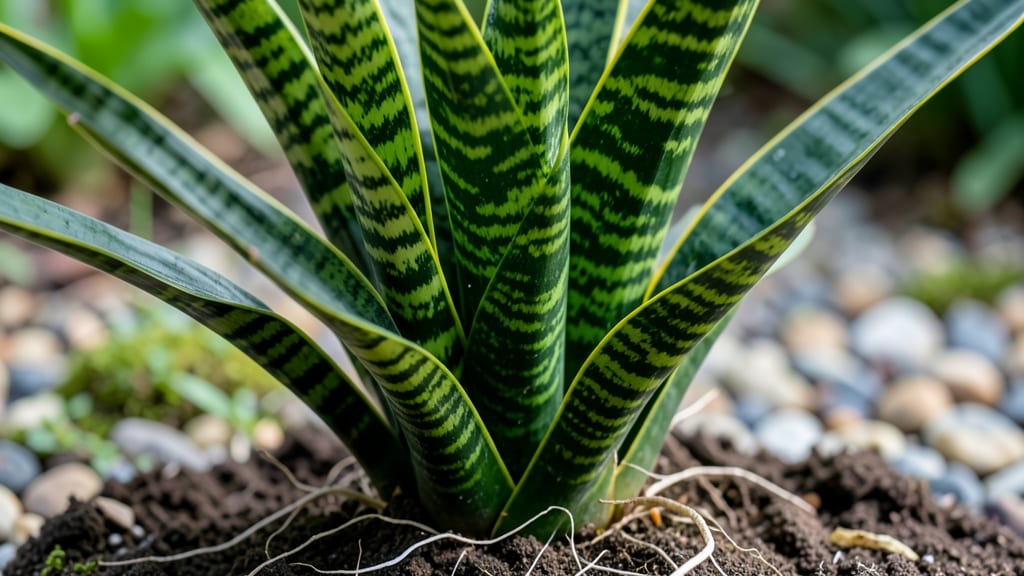
If you're wondering "how much light does a snake plant require", the answer might surprise you—this resilient 🌿 thrives in conditions where many plants would struggle. Unlike finicky houseplants, snake plants adapt to everything from dim corners to bright, indirect sunlight, making them the perfect low-maintenance green companion.
What makes snake plants so special is their ability to survive in low-light spaces while still growing strong. Whether you're dealing with a shadowy bedroom or a sunlit living room, understanding their light preferences is the key to keeping them lush and healthy.
Let’s break down exactly what they need—and how to spot when they’re getting too much (or too little) of the good stuff.
Most people assume these plants need bright light to flourish, but the truth is far more flexible. Snake plants can handle as little as 2-4 hours of indirect light daily while still looking vibrant.
That means you don’t need a sunroom to keep yours happy—just a little strategic placement. Ready to learn how to position your plant for peak performance?
We’ll also tackle common mistakes, like why your snake plant’s leaves might be turning yellow or developing brown tips, and how to fix them fast. With the right light balance, your snake plant won’t just survive—it’ll become the showstopper of your space.
 Best Window Placement
Snake plant light requirements: ideal conditions for healthy growth
If you’ve ever wondered how much light does a snake plant require, you’re not alone. Unlike finicky houseplants, snake plants (Sansevieria trifasciata) are masters of adaptability, thriving in conditions where others fail.
Their secret? A flexible light tolerance that spans from dim corners to bright, indirect sunlight. But even this resilient plant has limits—understanding its ideal light spectrum is key to unlocking vibrant, healthy growth.
Snake plants evolved in African savannas, where they adapted to survive with minimal water and variable sunlight exposure. This hardiness translates perfectly to indoor environments, making them perfect for low-light offices, bedrooms without windows, or even bathrooms with indirect light.
However, pushing them too far into darkness or scorching them with direct sun can turn their lush foliage into a sad, struggling mess.
Here’s the golden rule: snake plants prefer bright indirect light but can tolerate low-light conditions for extended periods. Think of it like a spectrum—too little light slows growth and weakens leaves, while too much direct sun causes brown tips and sunburn.
The sweet spot? Mimicking their natural habitat with filtered sunlight, like what you’d find under a canopy of trees.
| Light Condition | Ideal Placement | Growth Impact | Signs of Stress |
|---|---|---|---|
| Low Light (<300 ft-c) | 10+ feet from windows, offices, hallways | Survives but grows slowly; leaves stretch (etiolation) | Pale, thin leaves; weak stems |
| Medium Light (300-1,000 ft-c) | 3-6 feet from east/west windows; bright indirect light | Healthy, balanced growth; vibrant color | None (ideal conditions) |
| Bright Indirect Light (1,000-2,500 ft-c) | 1-3 feet from north windows; sheer curtains | Optimal growth; thick, upright leaves | None (best for most varieties) |
| Direct Sunlight (>2,500 ft-c) | South-facing windows without filters; outdoors in summer | Slowed growth; leaf scorch risk | Brown patches; crispy leaf edges |
| Artificial Grow Lights | 6-12 inches under LED grow bulbs (12-16 hrs/day) | Encourages rapid, healthy growth | None (if spectrum matches plant needs) |
One of the most common misconceptions about snake plants is that they can thrive in complete darkness. While they’re more drought-tolerant than light-tolerant, pushing them into permanent low-light conditions (like a closet or basement) will eventually weaken their structure.
Leaves may become thin, pale, and leggy—a clear sign they’re stretching toward any available light.
On the opposite end of the spectrum, direct afternoon sun (especially from south-facing windows) can cause leaf burn. You’ll notice brown, crispy patches along the edges, similar to what happens when you leave a tomato plant in the hot sun too long.
If this occurs, move your plant further from the window or add a sheer curtain to diffuse the intensity.
For the best results, aim for bright indirect light, which you can achieve by placing your snake plant 1-3 feet from a north-facing window. If you’re in a south-facing room, position it at least 5 feet back or use a light-filtering curtain.
Even in these conditions, your plant will reward you with thick, upright leaves and a slow but steady growth rate.
Fun fact: Snake plants are CAM photosynthesis plants, meaning they close their stomata during the day to conserve water and open them at night to absorb CO₂. This adaptation allows them to <
How to adjust light levels for snake plants in different rooms
Adjusting your snake plant’s light exposure depends entirely on where you place it in your home. Since these plants thrive in low to bright indirect light, they’re incredibly adaptable—but each room has its own lighting quirks.
Let’s break down the best spots for your snake plant, from dim bedrooms to sun-drenched kitchens, and how to maximize its growth in each.
Start with your bedroom, often the dimmest room in the house. Snake plants can handle as little as 2-4 hours of indirect light daily, making them perfect for nightstands or dressers near a window.
If your bedroom has no natural light, a small LED grow light (like a 6-inch bulb) placed 12 inches away for 6 hours a day can mimic sunlight without overheating the room.
Next, consider your bathroom, where humidity levels rise and light can be inconsistent. North-facing windows provide the gentlest light, ideal for snake plants. Position your plant 3-4 feet from the window to avoid harsh afternoon rays, which can scorch leaves.
If your bathroom has no window, a south-facing window in an adjacent room can work—just rotate the plant weekly for even growth.
🌿 Room-by-Room Light Adjustments for Snake Plants
- Bedroom: Place near a north-facing window or use a grow light for 6 hours daily.
- Bathroom: Position 3-4 feet from a north-facing window; rotate weekly for balanced growth.
- Office: East or west windows work best; avoid direct afternoon sun to prevent leaf burn.
- Kitchen: South-facing windows need indirect light—use a sheer curtain to diffuse harsh rays.
- Living Room: Rotate plant every 2-3 weeks if near a single window to prevent lopsided growth.
For your office, east or west-facing windows are ideal because they offer gentle morning or late-afternoon light without the intensity of south-facing windows. If your office has a south-facing window, place your snake plant at least 5 feet away or use a sheer curtain to filter the light.
Pro tip: If your office has fluorescent lighting, supplement with natural light for 12 hours daily to prevent leggy growth.
Kitchens often get the most light, but direct afternoon sun can be too intense for snake plants. If your kitchen has a south-facing window, position your plant 6-8 feet away or use a reflective surface (like a white wall or mirror) to bounce light indirectly onto the leaves.
For east or west exposures, you can place your snake plant right on the windowsill—just avoid touching the glass, which can cause temperature fluctuations.
Finally, if your snake plant lives in a living room, where light varies depending on the window’s direction, rotate it every 2-3 weeks to ensure even growth. North-facing windows are safest, while south-facing ones require curtains or sheer fabric to soften the light.
In rooms with no windows, a full-spectrum LED grow light (like a 12-inch bulb) for 8-10 hours daily keeps your snake plant thriving without yellowing leaves.
Remember, snake plants are forgiving, but small adjustments—like rotating the pot or adding a sheer curtain—can make a big difference in their health. Even in low-light rooms, they’ll reward you with bold, upright leaves and minimal fuss.
The key is observing their response: if leaves stretch toward the light, they need more; if they darken or develop brown tips, they’re getting too much.