
How To
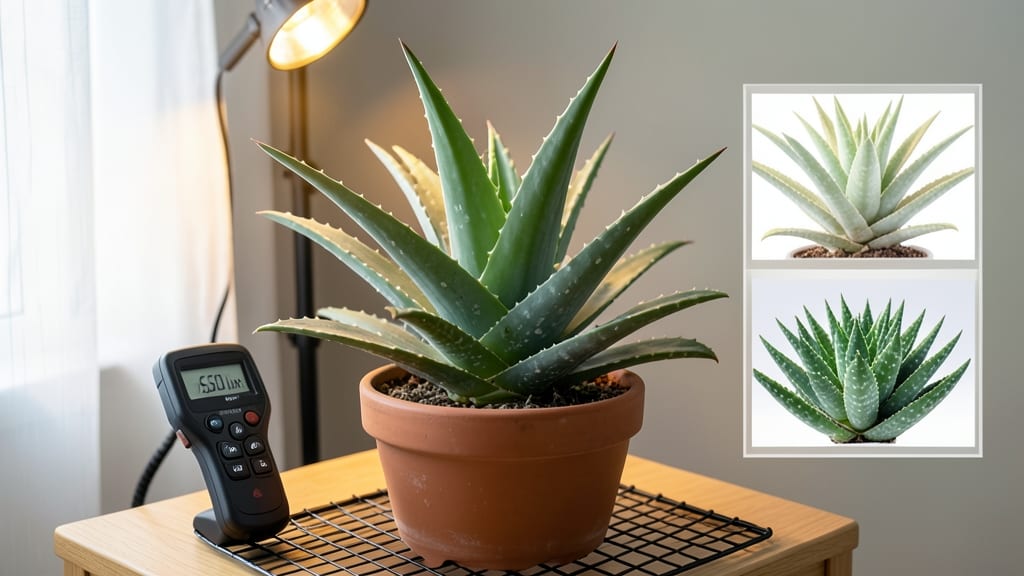
If your aloe plant 🌱 keeps stretching toward the light like it’s searching for a sunbathing spot, you’re not alone—most people underestimate how much light does an aloe plant need.
The right balance isn’t just about survival; it’s the difference between a lush, vibrant aloe and one that looks like it’s fighting for its life.
Here’s the truth: aloe thrives in bright, indirect light for at least 6 hours daily, but too much direct sun can scorch its leaves while too little leaves it weak and leggy.
Whether you’re growing yours indoors near a sunny window or outdoors in your USDA Zone 6a garden, getting this right is simpler than you think.
I’ll break down exactly how to spot light deficiency—think pale, stretched-out leaves—and show you how to adjust placement or even use grow lights to keep your aloe happy year-round. No guesswork, just actionable tips to turn your plant into the thriving, low-maintenance star of your space.
Ready to give your aloe the perfect light prescription? Let’s dive into the sunlight rules that’ll have your plant looking its best in no time.
 Best Window Placement
Ideal sunlight requirements for aloe vera growth and health
Aloe vera thrives under bright, indirect sunlight for 6-8 hours daily. This succulent, native to arid climates, mimics its natural habitat by craving intense light exposure while avoiding harsh midday rays.
In my experience, aloe plants placed near south-facing windows or outdoors in partial shade grow the fastest with the fewest issues.
Direct sunlight is fine in cooler climates (USDA zones 8+), but in hotter areas, afternoon shade prevents leaf burn. I’ve seen aloe leaves develop crispy brown edges when exposed to 10+ hours of direct sun without acclimation. Always introduce plants to full sun gradually over 1-2 weeks.
Aloe’s photosynthesis efficiency peaks with 400-700 nanometers of light (blue to red spectrum). This means LED grow lights emitting these wavelengths can supplement light-deficient indoor spaces. My 10,000K LED bulb placed 12 inches above my aloe provides equivalent benefits to natural sunlight.
The minimum light requirement for aloe is 4 hours of bright light daily, but growth slows significantly below this threshold. I’ve noticed my indoor aloe stretches toward light sources (etiolation) when placed in dim corners.
This weakens stems and makes leaves thin and pale—clear signs of light deficiency.
| Factor | Ideal Condition | Deficiency Signs |
|---|---|---|
| Daily Light Hours | 6-8 hours (bright indirect) | Pale, stretched leaves (etiolation) |
| Light Intensity | 70% sunlight (partial shade) | Brown crispy leaf edges (burn) |
| Seasonal Adjustment | More shade in summer; direct sun in winter | Yellowing leaves (over/under-watering stress) |
| Indoor Placement | South-facing window, 3 feet away | Slow growth, weak stems |
Seasonal adjustments are crucial. During summer months, I move my outdoor aloe to morning sun only, protecting it from 12-4 PM rays. In winter, when sunlight is weaker, I extend exposure to full sun to compensate. This balance prevents both sun scorch and nutritional deficiencies.
For indoor gardeners, rotating your aloe every 2-3 weeks ensures even light exposure. I’ve seen plants develop uneven growth when one side faces the window permanently. A simple quarter-turn weekly keeps your aloe compact and symmetrical.
Artificial light works wonders for urban aloe lovers. My full-spectrum LED grow light on a 14-hour timer mimics natural daylight cycles. Place it 6-12 inches above the plant and adjust height as the aloe grows. This setup eliminates light deficiency entirely during winter months.
Watch for yellowing leaves—a common sign of improper light. While under-watering causes yellowing at the base, too much light turns leaves yellow with brown tips. The key is observing your plant’s leaf color and texture daily. Healthy aloe leaves should be thick, vibrant green, and slightly waxy.
Pro tip: Use a light meter (or phone app) to measure 10,000-15,000 lux for optimal growth. My aloe thrives at 12,000 lux near my kitchen window. If readings drop below 5,000 lux, supplement with grow lights immediately to prevent weak, leggy growth.
Remember, aloe is a desert plant at heart. It prefers bright conditions over perfect temperatures. Even in winter, keep your aloe near the sunniest window in your home. With the right light balance, your aloe will reward you with thick, healing leaves for years to come. 🌱☀️
How to adjust light conditions for different aloe varieties
Aloe plants aren’t one-size-fits-all when it comes to sunlight. While most varieties thrive in bright, indirect light, some can handle more direct sun than others. Understanding these differences helps you place your aloe in the perfect spot—whether indoors or outdoors—to prevent stress or damage.
Let’s break down the light needs for popular aloe species and how to adapt their environments.
For example, Aloe Barbadensis (Aloe Vera) is the most adaptable, tolerating 6-8 hours of direct sun daily in cooler climates. In hotter regions, though, it prefers morning sun and afternoon shade to avoid leaf scorch.
Meanwhile, Aloe Aristata, with its striking rosette pattern, thrives in bright indirect light and can struggle if exposed to harsh afternoon rays. Knowing these nuances saves your plant from common light-related issues.
🌱
| Variety | Ideal Light Conditions | Indoor Placement | Outdoor Placement | Signs of Stress |
|---|---|---|---|---|
| Aloe Barbadensis (Aloe Vera) | 6-8 hours direct sun (cooler climates), bright indirect (hotter climates) | South-facing window, 3 feet away | Full sun with afternoon shade | Brown crispy edges (too much sun), pale stretching (too little) |
| Aloe Aristata | Bright indirect light, 4-6 hours max direct sun | East or west window, filtered light | Morning sun only, partial shade | Yellowing leaves (too much sun), leggy growth (too little) |
| Aloe Saponaria | Full sun, 8+ hours direct light | Grow light for 10+ hours/day | Full sun exposure year-round | Darkened leaves (too little sun), bleached tips (too much) |
| Aloe Variegata | Bright indirect light, 3-4 hours direct sun max | North or east window, sheer curtain | Dappled shade, no harsh midday sun | Loss of variegation (too little sun), sunburn spots (too much) |
| Aloe Zebrina | Bright indirect to partial sun, 4-5 hours max direct | West window with diffused light | Morning sun, afternoon shade | Stunted growth (too little light), faded stripes (too much) |
If your aloe is indoors, rotate it every 2-3 weeks to ensure even light exposure. South-facing windows are ideal, but if yours lacks natural light, a grow light 6-12 inches above the plant for 12-14 hours daily mimics sunlight perfectly.
For outdoor aloes, provide afternoon shade during summer to prevent leaf burn, especially in regions with intense UV rays.
Pro tip: Observe your aloe’s leaves—if they’re leaning toward the light, it’s not getting enough. If they’re crispy or white, it’s getting too much. Adjust gradually to avoid shocking the plant. With the right light, your aloe will reward you with vibrant, healthy growth all year round.
☀️