
Plants
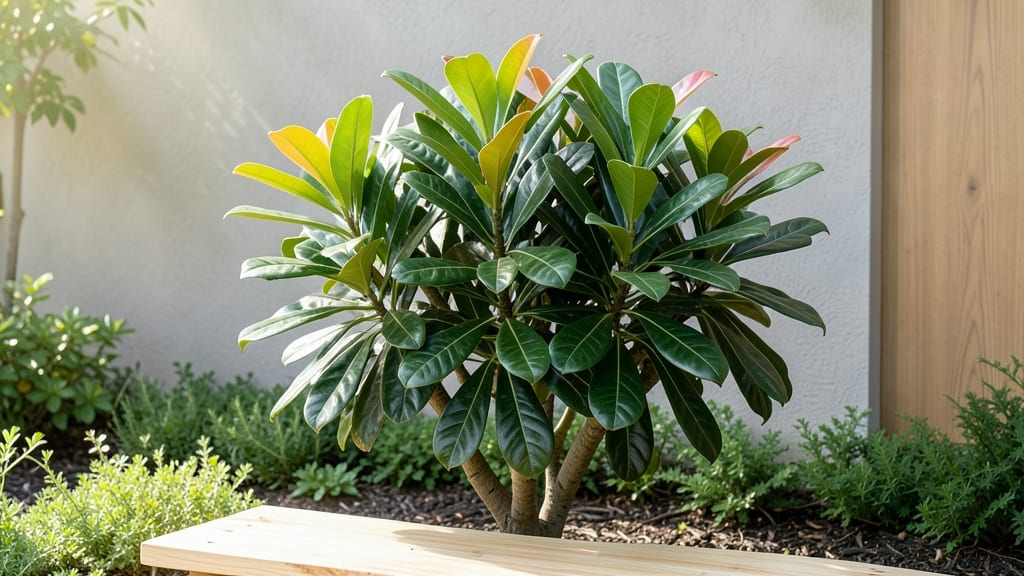
If you're wondering how much light does an umbrella plant need, the answer might surprise you—it’s far less than you’d think! This stunning 🌿 thrives in bright, indirect sunlight, making it perfect for homes with limited direct light exposure.
Too much sun can scorch its leaves, while too little leaves it leggy and weak.
Most people assume umbrella plants need constant sunlight, but that’s a common mistake. In reality, they prefer moderate to low light conditions, especially in USDA Zone 6a where spring planting is ideal.
The key is finding that sweet spot—enough light to keep the leaves vibrant but not so intense it causes damage.
Whether you're growing yours indoors or outdoors, placement matters. For indoor plants, an east or west-facing window is perfect, while outdoor spots should avoid harsh afternoon rays. I’ll show you exactly how to spot signs of over- or under-exposure so your umbrella plant stays lush and healthy year-round.
Don’t let light stress ruin your plant’s potential. With the right conditions, your umbrella plant can grow into a stunning centerpiece—easier than you’d expect. Let’s dive into the details so you can keep yours thriving.
 Best Window Placement
Ideal light requirements for umbrella plants: low to medium indirect sunlight explained
Umbrella plants (Schefflera spp.) are masters of adaptability when it comes to light, but they have a sweet spot between low and medium indirect sunlight. Too little light leads to leggy growth and pale leaves, while too much direct sun causes leaf scorch and crispy edges.
The key is replicating their natural habitat under dappled forest shade, where sunlight filters gently through leaves.
For optimal health, aim for 300-1,000 foot-candles of light—think of it as the brightness of a well-lit office or a bright living room without harsh afternoon rays. This range ensures your plant gets enough energy for photosynthesis without overheating.
Most homes naturally provide this level of light, especially in east or west-facing windows, where morning or late-afternoon sun dominates.
Here’s how to visualize the perfect setup: Place your umbrella plant 2-3 feet away from an east-facing window to avoid the intense midday sun. If you only have a south-facing window, create a buffer by positioning it near a sheer curtain or sheer fabric to diffuse the light.
North-facing windows work too, but your plant may grow slower due to lower light intensity.
| Light Condition | Foot-Candles | Window Placement | Signs of Stress |
|---|---|---|---|
| Low Light (<300) | North-facing window or deep shade | Leggy stems, small leaves, pale color | |
| Ideal (300-1,000) | East/west window, 2-3 ft away | Healthy glossy leaves, compact growth | |
| High Light (>1,000) | South-facing window, direct sun | Brown leaf tips, wilting, sunburn |
Understanding photosynthesis efficiency helps explain why umbrella plants thrive in indirect light. Their leaves are designed to maximize light absorption without overheating, much like a sunbathing reptile that seeks shade when it gets too warm.
In low light, they’ll stretch toward the nearest source (a phenomenon called etiolation), but this weakens their stems and makes them more prone to falling over.
If you notice yellowing leaves or brown patches, it’s often a sign of overwatering combined with too much light. The plant’s roots can’t absorb water efficiently when the leaves are stressed by heat.
Conversely, if leaves turn yellow and drop suddenly, it might indicate underwatering in low light, where the plant can’t process the little light it gets.
Pro tip: Rotate your umbrella plant quarter-turn every 2 weeks to ensure even growth. Plants naturally lean toward light sources, so this simple trick keeps them symmetrical and bushy. Avoid placing them near HVAC vents or drafty windows, as sudden temperature shifts can disrupt their light adaptation.
For indoor gardeners in apartments or offices with limited natural light, consider supplementing with LED grow lights (more on this in later sections). Even a few hours of artificial bright indirect light can make a world of difference for your umbrella plant’s vitality.
Remember, umbrella plants are forgiving—they’ll survive in lower light conditions but won’t reach their full potential. Think of light as the fuel for their growth engine: give them the right amount, and they’ll reward you with lush, vibrant foliage for years to come. 🌿
Ideal light requirements for umbrella plants: low to medium indirect sunlight explained
Your umbrella plant (Schefflera spp.) thrives in bright indirect sunlight, which means it needs plenty of light but without harsh direct rays. Think of it like a morning coffee—just enough to energize without burning.
The ideal range is 300-1,000 foot-candles, which is roughly the light you’d find 2-3 feet from an east or west-facing window. This balance keeps the leaves vibrant while preventing stress.
Direct sunlight, especially the intense afternoon rays, can cause leaf scorch—those unsightly brown patches that ruin the plant’s elegant appearance.
Even a few hours of direct sun can trigger this damage, so if your plant is near a south-facing window, consider moving it back 5-6 feet or using a sheer curtain to diffuse the light. I’ve seen many gardeners make this mistake and end up with a sad, crispy-leaved plant.
Umbrella plants are incredibly adaptable, which is why they’re such popular houseplants. They can tolerate low-light conditions for short periods, but this often leads to leggy growth—those stretched-out stems with sparse leaves.
If you notice your plant reaching toward the light like a sunflower, it’s time to adjust its position. A simple rotation every few weeks helps ensure even growth and prevents the plant from becoming top-heavy.
| Light Condition | Foot-Candles | Best Window Placement | Signs of Stress |
|---|---|---|---|
| Bright Indirect | 300-1,000 | East/West 2-3 ft away | Healthy, vibrant leaves |
| Low Light | <100 | North-facing or deep shade | Leggy growth, pale leaves |
| Direct Sun | >1,000 | South-facing, no filter | Brown scorch marks |
Understanding the science behind this helps too. Umbrella plants have a moderate photosynthesis efficiency, meaning they don’t need intense light to produce energy. In fact, too much light can actually overwhelm their chlorophyll, leading to oxidative stress.
The goal is to mimic the dappled light of their native tropical understory—think of the light filtering through a canopy of trees. This is why they do so well in offices or living rooms with artificial lighting.
If you’re growing your umbrella plant outdoors in USDA Zone 6a, spring and early summer are the best times to place it in partial shade. During these months, the sun is less intense, making it easier to provide the right conditions.
A spot under a patio cover or near the north side of your home is perfect. Just remember, even outdoors, they prefer morning sun and afternoon shade to avoid heat stress.
One of the most common mistakes I see is assuming that more light is always better. While umbrella plants can handle medium indirect light, pushing them into low-light conditions for extended periods will stunt their growth.
If your plant starts developing small, sparse leaves or the stems grow weak and spindly, it’s a clear sign it needs more light. A simple fix is to move it closer to a window or supplement with a grow light.
With the right light conditions, your umbrella plant will reward you with glossy, deep green leaves and a sturdy, upright growth habit. It’s all about finding that perfect balance—enough light to thrive, but not so much that it causes damage.
Once you get it right, you’ll have a stunning, low-maintenance plant that’s the envy of every room.