
How To
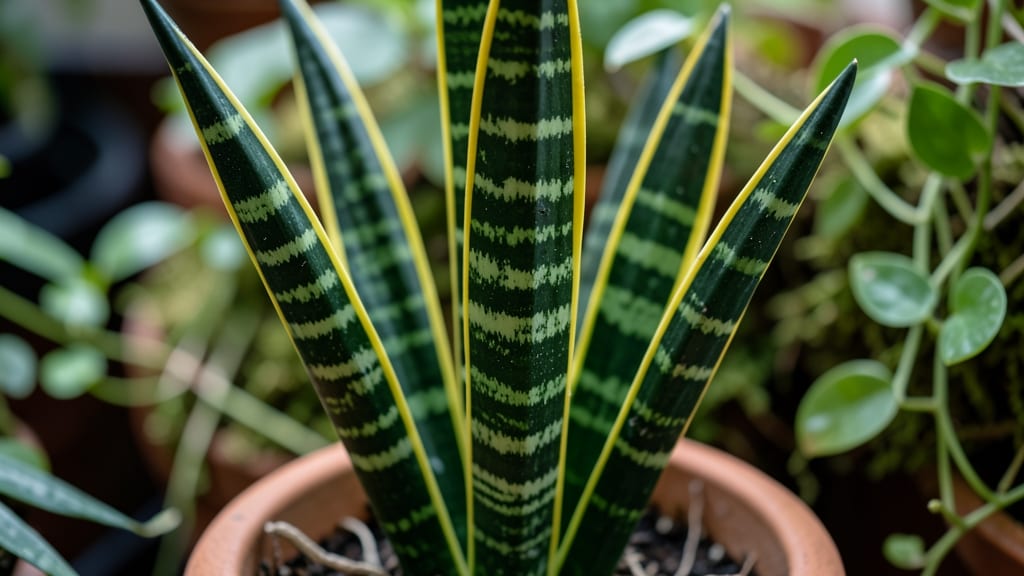
If your snake plant 🌱 has been stretching toward the ceiling like it’s auditioning for a skyscraper role, you’re not imagining things—this plant can grow surprisingly tall! While some varieties stay compact, others reach heights that’ll make your living room feel like a jungle gym.
But before you panic about trimming, let’s break down what influences its growth and how to keep it at your ideal height.
The answer to "how tall can snake plant grow" depends on the variety, care routine, and even your home’s lighting. Some dwarf varieties max out around 1-2 feet, while standard types can tower up to 4 feet or more indoors.
The key? Balancing light exposure, pot size, and pruning to encourage the height (or lack thereof) you prefer.
Don’t worry—controlling its growth is easier than you think. With the right care tips, you can keep your snake plant from becoming a vertical takeover artist. Whether you love its dramatic height or prefer a bushier look, this guide will help you manage it like a pro.
Ready to unlock the secrets? Let’s dive into how to nurture your snake plant for the perfect height—no ceiling drama required.

Snake plant height limits: how tall can they grow indoors?
Your snake plant (Sansevieria) might seem like a quiet, low-maintenance houseplant, but it has serious vertical ambitions. While some varieties stay compact, others can grow tall enough to challenge your ceiling fans.
The average indoor height ranges from 1 to 4 feet, but with the right conditions, some varieties can even reach 6 feet or more in spacious environments.
Understanding your plant’s growth potential starts with knowing its variety. Some dwarf varieties like 'Hahnii' stay under 2 feet, while standard types like 'Laurentii' or 'Futura Superba' can stretch toward 4 feet. Even taller varieties exist in outdoor settings, but indoors, space and care become the limiting factors.
The biggest height influencers are light exposure, pot size, and genetics. Snake plants naturally grow toward light sources, so a sunny window can encourage rapid vertical growth.
Meanwhile, root-bound conditions in small pots can stunt growth or cause the plant to focus energy on leaf production rather than height.
Here’s how different factors affect your snake plant’s height potential:
Light plays a crucial role in determining whether your snake plant grows tall or stays bushy. In low-light conditions, plants often grow taller and leggier as they stretch toward any available light.
Conversely, bright indirect light encourages denser, bushier growth with shorter stems. If you notice your plant leaning or stretching excessively, it’s time to relocate it closer to a well-lit window.
Pot size also impacts height. When roots become root-bound, the plant may focus on leaf production rather than vertical growth. If you want a taller snake plant, use a narrower, deeper pot to encourage upward growth.
For a bushier look, opt for a wider, shallower container to promote multiple offsets.
Monitoring your snake plant’s growth patterns is key. Healthy leaves should grow upright with even spacing. If you notice yellowing tips or leggy stems, it’s often a sign of overwatering or insufficient light. Adjust your care routine accordingly to keep your plant thriving at your desired height.
Remember, snake plants are drought-tolerant and low-maintenance, but their height is entirely in your hands.
With the right balance of light, space, and care, you can grow a snake plant that fits perfectly in your home—whether you prefer a compact desk plant or a statement-piece tall beauty.
How to control snake plant height: pruning, repotting, and light secrets
If your snake plant is shooting up like a jenga tower, don’t panic—you’re not powerless! The secret to controlling its height lies in three key areas: pruning, repotting, and light management.
These techniques let you shape its growth without sacrificing its health. Let’s start with the easiest way to rein it in: pruning.
Pruning isn’t just about trimming—it’s about encouraging bushier growth instead of letting your plant become a vertical stalk. The best time to prune is in spring or early summer, when the plant is actively growing.
Simply cut back overgrown leaves at the base with clean, sharp pruning shears, leaving about 1-2 inches of the stem. This stimulates new shoots to grow from the base, creating a fuller, more compact plant.
🌱 Pro Tip: Never throw away those cuttings! Place them in water or soil to propagate new plants—it’s a free way to expand your snake plant collection.
Prune in spring or early summer when growth is active.
Sterilize pruning shears with rubbing alcohol to prevent disease.
Trim leaves 1-2 inches above the soil line for best results.
Place cuttings in water or soil to grow new plants.
Check for new shoots at the base within 4-6 weeks.
Another game-changer is repotting. Snake plants grow best when slightly root-bound, but if they’re cramped for too long, they’ll stretch toward the light like a starving astronaut.
Repot every 2-3 years or when roots circle the pot. Choose a container only 1-2 inches larger than the current one—bigger pots encourage faster (and taller) growth.
Finally, light exposure is the silent growth controller. While snake plants tolerate low light, they’ll stretch dramatically toward any bright light source. To keep them compact, place them 2-3 feet from a window with indirect sunlight.
If your plant leans toward the light, rotate it quarter-turns every few weeks to encourage even growth.
With these tricks, you’ll turn your towering snake plant into a manageable, bushy beauty—without sacrificing its hardy charm. 🪴