
How To
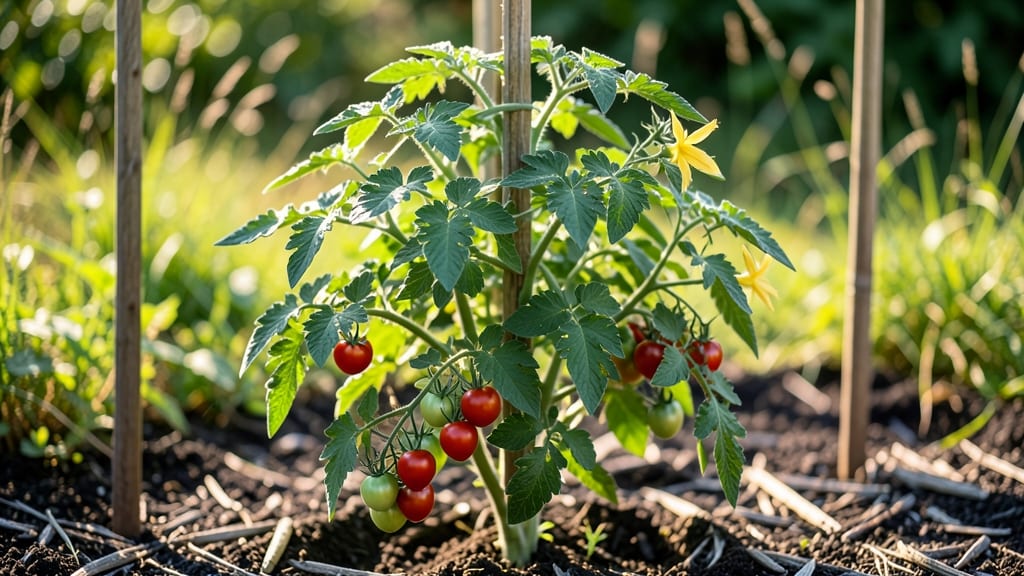
Knowing how tall does a cherry tomato plant grow can make or break your garden plans—especially when space is limited! These vibrant 🍅 plants come in surprising varieties, from compact bushes that stay under 2 feet to towering vines that climb 6 feet or more.
If you're growing in containers or small gardens, dwarf varieties are your best bet—they thrive in tight spaces while still delivering that sweet, juicy payoff. But for those with more room, indeterminate types will keep producing all season, just with a little extra vertical support.
Here’s the game-changer: with the right pruning and trellising, you can control height and boost yields. Whether you’re a beginner or a seasoned gardener, these tips will help you maximize your harvest without sacrificing space.
Let’s break down the height ranges, space-saving tricks, and common mistakes that send plants skyrocketing—so you can grow the perfect cherry tomato patch for your setup.

Cherry tomato plant height guide: compact varieties vs. vining types
Cherry tomatoes are one of the most versatile plants in your garden, but their height can vary dramatically depending on the variety and growing conditions.
If you’ve ever wondered, "How tall does a cherry tomato plant grow?", the answer depends on whether you’re growing determinate (bush) or indeterminate (vining) types—and even then, pruning and trellising play huge roles.
Determinate varieties, like 'Sweet 100' or 'Tiny Tim', stay compact, typically reaching 2-4 feet tall. These are perfect for containers or small gardens. Indeterminate types, such as 'Sun Gold' or 'Sweet Million', can grow 6-10 feet tall if left unchecked, producing fruit all season long.
Here’s the key: indeterminate plants need support (like cages or trellises) to manage their height, while determinate types often don’t. But even determinate plants can stretch if they’re overcrowded or lack nutrients.
The right variety for your space can mean the difference between a manageable harvest and a jungle of vines.
Let’s compare the most popular cherry tomato varieties by height, so you can pick the perfect fit for your garden layout.
As you can see, the height range varies widely—from Tiny Tim’s 1-2 feet to Sun Gold’s towering 6-10 feet. If you’re working with limited space, dwarf varieties like Micro Tom or Tiny Tim are game-changers.
They thrive in containers and don’t require trellising, making them ideal for balconies or small patios.
For larger gardens or if you love the idea of a continuous harvest, indeterminate types like Sweet Million or Black Cherry will reward you with fruit all season—but only if you’re ready to invest in a sturdy trellis or cage.
Without support, these vines can sprawl uncontrollably, leading to tangled plants and missed harvests.
Pro tip: If you’re torn between varieties, consider your garden’s layout. Determinate plants are great for neat rows, while indeterminate types shine in vertical setups. Either way, choosing the right height for your space ensures a healthier, happier plant—and a bigger, tastier harvest.
Now that you’ve got the height breakdown, let’s talk about how to control that growth—whether you want to keep your plants short or train them to climb. Stay tuned for my next section on space-saving techniques to manage cherry tomato height like a pro! 🌱
Cherry tomato plant height guide: compact varieties vs. vining types
Cherry tomatoes are one of the most versatile plants in your garden, but their height can vary dramatically depending on the variety you choose. Understanding these differences helps you plan for space efficiency or maximize vertical growth for higher yields.
For example, bush varieties like 'Tiny Tim' stay under 2 feet, making them perfect for containers or small gardens.
On the other end of the spectrum, indeterminate varieties like 'Sweet Million' can grow 6-8 feet tall if left unchecked, requiring sturdy trellises or cages. The key is matching your garden space to the plant’s natural growth habit—whether you prioritize compactness or vertical expansion.
Here’s how to navigate the height spectrum: dwarf varieties (1-3 ft) are ideal for balconies or windowsills, while semi-dwarf types (3-4 ft) strike a balance for in-ground planting. Indeterminate vines, however, need support to prevent sprawling and maximize fruit production.
| Variety Type | Height Range | Space Needs | Best For |
|---|---|---|---|
| Dwarf (e.g., 'Tiny Tim') | 1–3 ft | Containers, windowsills | Balconies, small gardens |
| Semi-Dwarf (e.g., 'Patio') | 3–4 ft | Small in-ground beds | Urban gardens, raised beds |
| Indeterminate (e.g., 'Sweet Million') | 6–8 ft+ | Trellises, cages, stakes | Large gardens, vertical setups |
| Bush (e.g., 'Sun Gold') | 2–4 ft | Standard garden beds | Beginner-friendly, low-maintenance |
If you’re growing indeterminate varieties, expect them to keep growing all season—sometimes reaching 10 feet if unpruned! These plants produce fruit continuously, but their height means you’ll need to invest in strong support structures like wooden trellises or tomato cages.
For determinate varieties, growth stops after flowering, keeping them compact and self-supporting.
Pro tip: Check seed packets or plant tags for height estimates—this gives you a head start on planning your garden layout. For example, 'Tumbling Tom' cherry tomatoes are bred for hanging baskets and stay under 2 feet, while 'Black Cherry' indeterminate types can climb 8 feet or more.
Matching the variety to your space ensures a thriving, manageable harvest.
Remember, even within a variety, factors like pruning, nutrients, and sunlight can influence height. With the right care, you can coax a 6-foot vine into a 3-foot bush—or let it stretch for maximum productivity. The choice is yours!