
Plants
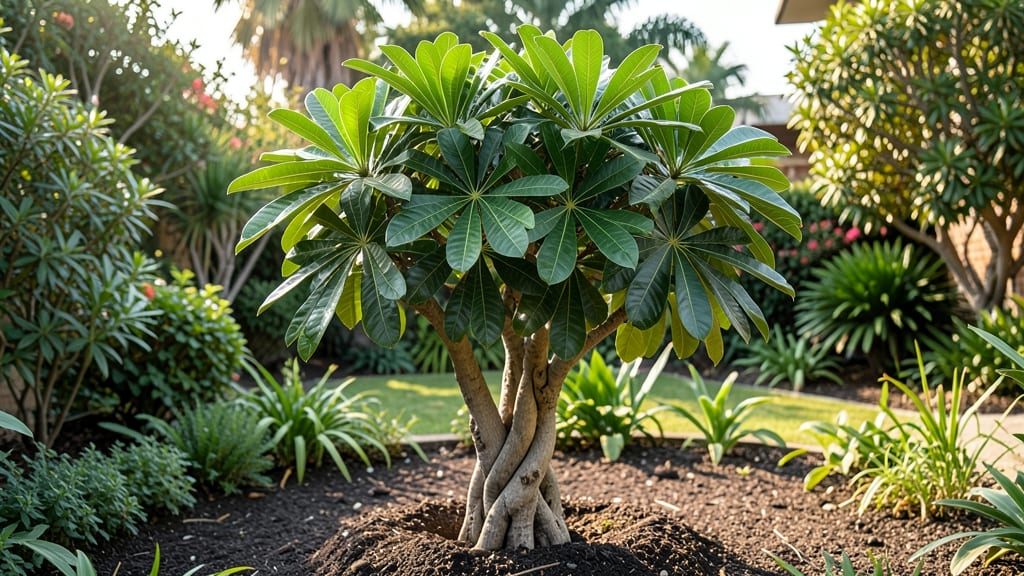
Curious about how tall does a money tree plant grow before it becomes a space hog? This tropical favorite can stretch from a modest 3 feet to towering 10 feet indoors—if you let it.
The good news? With the right care, you can easily keep your 🌿 money tree at your ideal height, whether you want a compact desk companion or a statement plant.
Most indoor money trees stay between 3 to 6 feet when pruned regularly, making them perfect for apartments or offices. But skip the trimming, and you might end up with a jungle-like giant that needs a ladder to admire.
The key to controlling its height lies in understanding light exposure, pot size, and pruning techniques—all of which I’ll break down for you.
Outdoor money trees in warmer climates (like USDA Zone 6a) can reach their full 10-foot potential, but indoors, they’re usually kept smaller for practicality. Whether you’re dealing with a 1-foot sapling or a mature plant, learning how to manage its growth will save you from unexpected surprises—and potential furniture rearrangements.
Ready to discover how to shape your money tree’s future? I’ll share expert tips on stunting growth, encouraging height, and everything in between—so you can enjoy this lucky plant without the guilt of it taking over your living room.

Money tree height limits: how tall can it grow indoors?
The money tree plant (Pachira aquatica) is a tropical favorite known for its striking braided trunk and glossy leaves. Indoors, this plant typically reaches heights between 3 to 5 feet over 3-5 years, though some can grow taller with ideal conditions.
Without proper care or pruning, it may even reach 6-10 feet—though this is rare in most homes due to limited ceiling space. The key to controlling its height lies in understanding its growth habits and adjusting your care routine accordingly.
If you’re dreaming of a compact money tree that fits perfectly on a shelf or desk, aim for a 3-4 foot maximum height. This is achievable with regular pruning and proper pot selection.
On the other hand, if you want a statement plant that towers over your room, provide ample light, a larger pot, and minimal pruning. The difference in height comes down to a few simple but impactful care choices.
Here’s what you need to know about the money tree’s growth stages and how to influence its height:
One common misconception is that money trees grow uncontrollably tall indoors. In reality, their height is directly tied to the pot size and light exposure you provide.
For example, a money tree in a 12-inch pot with bright indirect light will grow faster than one in a small 6-inch pot with low light. The same plant can end up looking like a tiny bonsai or a towering indoor tree, depending on your approach.
If you’re working with limited ceiling height, focus on pruning the top growth to redirect energy toward leaf production. This technique not only keeps the plant shorter but also creates a fuller, more attractive shape.
Many gardeners prune their money trees in early spring to encourage new growth during the active growing season. Just be sure to use clean, sharp pruning shears to avoid damaging the plant.
For those who want their money tree to reach its maximum height, prioritize these care factors: larger pots (14+ inches in diameter), bright indirect light, and minimal pruning.
Outdoor-grown money trees in tropical climates can easily surpass 10 feet, but indoors, they’ll naturally grow slower due to limited light and space. Even so, with the right conditions, you can coax a money tree to 6 feet or taller in just a few years.
Another pro tip: Rotate your money tree quarter-turns every few weeks to ensure even growth. This prevents the plant from leaning toward light sources, which can make it look lopsided and affect its overall height potential.
A well-balanced money tree will grow straighter and more uniformly, whether you’re aiming for a compact size or a tall indoor tree.
Remember, the money tree’s height is a reflection of your care routine. Whether you prefer a desk-sized companion or a room-filling centerpiece, this versatile plant can adapt to your needs.
Start with the right pot size, adjust your light exposure, and prune strategically to achieve the perfect height for your space.
If you’re still unsure about your money tree’s growth potential, start with a medium-sized pot (10–12 inches) and observe how it responds to your care. Over time, you’ll develop a feel for how tall your specific plant is likely to grow—and how to guide its height with confidence.
Factors that control money tree growth height (and how to manage them)
A money tree’s height isn’t just about time—it’s a direct result of how you manage its environment and care routine. Light exposure, pot size, pruning habits, and seasonal cycles all play critical roles in determining whether your plant grows into a towering centerpiece or stays compact and manageable.
Let’s explore the key factors that control its height and how to adjust them for your space.
First, light exposure is the #1 growth regulator. Money trees thrive in bright indirect light, which encourages steady upward growth. Place yours near an east or north-facing window for optimal results. Too little light?
Growth slows dramatically, while too much direct sun can scorch leaves, stunting vertical development. A simple trick: Rotate your pot every few weeks to ensure even light exposure on all sides.
The pot size you choose directly impacts root growth, which in turn affects height. A smaller pot (1-2 inches larger than the root ball) restricts root expansion, forcing the plant to grow taller to access nutrients.
For a compact money tree, opt for a snug pot and repot only when roots circle the drainage holes. If you want a taller specimen, upgrade to a larger container (12+ inches in diameter) to encourage broader root systems and faster vertical growth.
- Over-pruning at once removes too much foliage, slowing growth.
- Cutting too close to nodes can prevent new branches from forming.
- Ignoring leaf yellowing signals (often from overwatering or poor drainage).
🪴
Pruning techniques are your secret weapon for controlling height. To keep your money tree shorter, trim the topmost leaves to encourage bushier growth. For a taller plant, avoid heavy pruning and focus on removing only dead or yellowing leaves. Always prune just above a leaf node to stimulate new growth. Pro tip: Use sterilized scissors to prevent disease, and never remove more than 1/3 of the foliage at once.
Seasonal cycles also dictate growth patterns. Money trees experience active growth in spring and summer when days are longer, and dormancy in fall and winter. During active months, feed your plant with a balanced fertilizer (10-10-10) every 4-6 weeks to fuel vertical growth.
In winter, reduce watering and skip fertilizing entirely—this helps the plant conserve energy and prevents leggy, weak growth when spring arrives.
Finally, temperature and humidity play subtle but important roles. Money trees prefer warmth (65-80°F) and moderate humidity (40-50%). Drafty windows or cold spots can slow growth, while high humidity (like a bathroom) encourages lush foliage but may not directly impact height.
Use a humidifier near your plant if your home is dry, but avoid misting leaves excessively—this can lead to fungal issues that weaken the plant.
By mastering these factors, you’ll have full control over your money tree’s height—whether you want a tall statement piece or a compact desk companion. Start with light and pot size, then fine-tune with pruning and seasonal care for the perfect fit in your space. 🌿