
How To
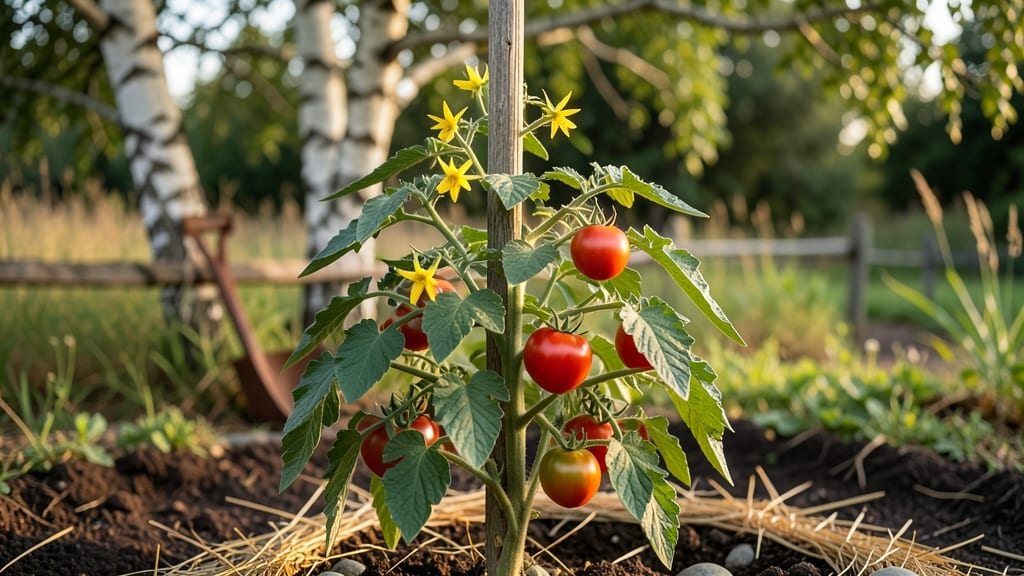
Wondering how tall does a Roma tomato plant grow before it starts dominating your garden? These plants can reach 4-6 feet tall—taller than you might expect—but there’s good news if space is tight!
Most Roma tomato varieties (like the classic 🍅 Roma VF) grow as indeterminate plants, meaning they keep stretching until frost. But don’t worry—with the right care, you can keep them compact or train them vertically.
Whether you’re growing in containers or a small backyard, understanding their growth habits is key to maximizing your harvest.
In this guide, I’ll break down the height differences between determinate (bushier) and indeterminate (taller) varieties, plus pro tips to control their size. You’ll learn which compact Roma tomatoes stay under 4 feet and how to support them for bigger yields without the sprawl.
Ready to grow Roma tomatoes that fit your space? Let’s dive into the details so you can enjoy juicy, homegrown tomatoes—no matter how small your garden is!

Average height of Roma tomato plants: what to expect by variety
When planning your Roma tomato garden, knowing the average height of these plants helps you design your space efficiently. Most Roma tomatoes fall into two growth categories: determinate (bush-type) and indeterminate (vining).
Determinate varieties typically stay between 3 to 4 feet tall, while indeterminate types can reach 5 to 6 feet or taller with proper support.
The Roma VF variety, a popular choice for home gardens, usually grows to about 4 feet tall and produces clusters of plump, paste tomatoes. This makes it ideal for both in-ground planting and containers.
Meanwhile, heirloom varieties like Roma Red often grow slightly taller, reaching 5 feet when allowed to vine freely.
Understanding these differences is key because height affects yield and space requirements. Determinate plants produce fruit all at once, while indeterminate types continue producing throughout the season. If you're short on space, you might prefer dwarf Roma varieties that stay under 3 feet tall.
Here’s a quick comparison of what to expect from common Roma tomato varieties:
| Variety | Growth Type | Mature Height | Best For |
|---|---|---|---|
| Roma VF | Determinate | 3–4 ft | Containers, small gardens |
| Roma Red | Indeterminate | 5–6 ft | Trellises, large gardens |
| Roma II | Determinate | 4 ft | Balconies, raised beds |
| Roma F1 Hybrid | Determinate | 3–4 ft | Disease resistance, small spaces |
If you're growing Roma tomatoes in containers, choose determinate varieties like Roma VF or Roma II. These stay compact and thrive in 5-gallon pots or larger.
For in-ground gardens, indeterminate types like Roma Red can produce more fruit over a longer season but require stakes or cages to support their height.
Pruning also plays a role in controlling height. For indeterminate varieties, pruning suckers (the small shoots that grow between the main stem and branches) can keep the plant more manageable. This technique encourages stronger stems and better airflow, reducing disease risk while maintaining a 4-to-5-foot height.
Another factor influencing height is the growing season. In warmer climates with longer growing seasons, indeterminate Roma tomatoes may grow taller and produce more fruit. In cooler regions, they might stay shorter and focus energy on early fruit production rather than excessive height.
For those with limited vertical space, consider training your Roma tomatoes along a trellis or wall. This method not only saves space but also improves fruit quality by reducing soil-borne diseases. Just ensure your support structure is at least 5 feet tall to accommodate indeterminate varieties.
Finally, remember that soil health and nutrients impact growth. Well-draining soil rich in organic matter helps Roma tomatoes reach their full potential without becoming leggy. If your plants start stretching too much, they may need more sunlight or balanced fertilizer.
With the right variety and care, you can enjoy bountiful Roma tomatoes without sacrificing garden space—whether you're working with a balcony container or a backyard plot.
Best compact Roma tomato varieties for small gardens (under 4 feet)
If you’re working with limited garden space, you’ll be thrilled to know that some Roma tomato varieties stay compact—often under 4 feet tall. These space-saving options let you grow flavorful plum tomatoes in containers, small plots, or even on balconies without sacrificing yield.
The key lies in choosing determinate varieties or dwarf hybrids, which naturally grow shorter than their indeterminate cousins.
For small gardens, prioritize disease-resistant Roma cultivars like 'Roma VF' or 'Roma Red,' which mature quickly and produce heavy clusters of paste tomatoes on bushy plants. Even better, these varieties thrive in 5-gallon containers or raised beds, making them perfect for urban gardeners or those with tight spaces.
Let’s explore the best compact options and how to keep them thriving!
Compact Roma Tomato Varieties
'Roma F1'
- 🌱 2-3 ft tall, ideal for containers
- 🍅 High yield of paste tomatoes
- 🛡️ Virus-resistant (VF trait)
- ⏳ Requires staking for best support
- 💧 Needs consistent watering
'Roma Red'
- 🌱 3-4 ft tall, great for small plots
- 🍅 Classic Roma flavor, meaty texture
- 🌿 Heirloom variety, open-pollinated
- ⚠️ Susceptible to blight in wet climates
- ⏱️ Slower to mature (80 days)
'Roma II'
- 🌱 2.5-3.5 ft tall, perfect for pots
- 🍅 Uniform size, great for canning
- 🛡️ Disease-resistant hybrid
- 🌡️ Prefers warmer climates (USDA Zone 7+)
- 🌱 May need pruning for bushier growth
When selecting a compact Roma tomato, consider your growing conditions. For containers, choose varieties like 'Roma F1' or 'Roma II,' which thrive in 5-gallon pots with proper drainage.
If you’re planting in ground beds, 'Roma Red' or 'Roma VF' will spread slightly wider but stay under 4 feet. Always use well-draining soil mixed with compost to encourage healthy root growth and prevent disease.
To keep your compact Roma plants productive, practice light pruning—remove suckers (side shoots) regularly to redirect energy to fruit production. This technique also helps maintain a bushy, manageable shape while improving air circulation.
Pair this with regular watering (1-2 inches per week) and a balanced fertilizer (like 10-10-10) every 4-6 weeks during the growing season for the best results.
One common mistake gardeners make with small-space tomatoes is overcrowding plants, which leads to poor airflow and fungal diseases. Space your compact Roma varieties at least 18-24 inches apart in containers or 2 feet apart in garden beds.
If growing in containers, ensure the pot is at least 12 inches deep to accommodate roots and support stakes or cages for heavier fruit loads.
With the right compact variety and care, you’ll enjoy a bountiful harvest of Roma tomatoes without the space constraints. Whether you’re canning sauces, making fresh salsa, or simply savoring vine-ripened flavors, these short-stature plants deliver big rewards in small packages! 🌱