
Plants
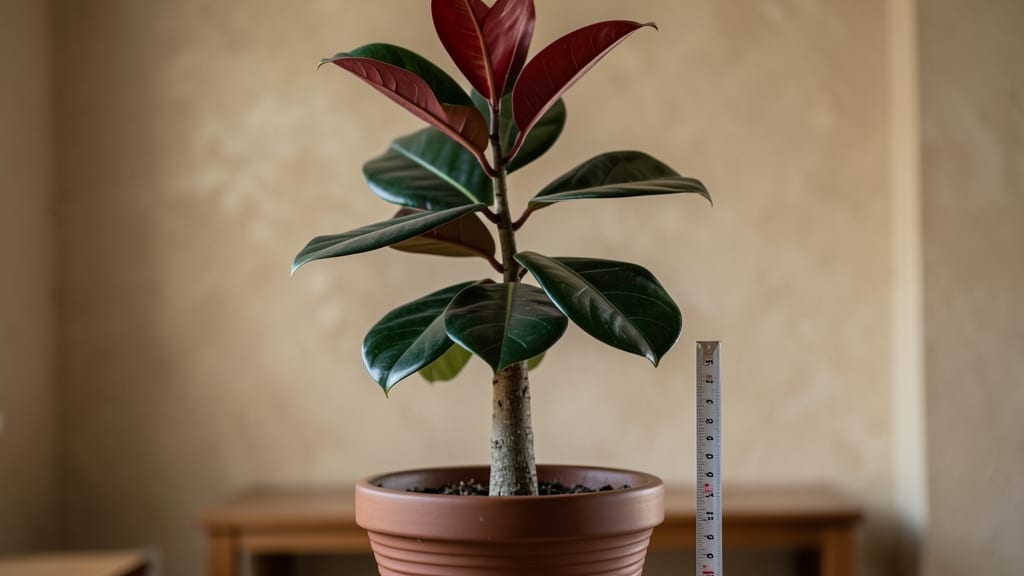
If you're curious about how tall does a rubber plant grow, you might be surprised to learn these glossy-leaved giants can reach heights that rival your ceiling fan—sometimes even surpassing it!
With their striking 🌿 foliage and rapid growth, rubber plants (Ficus elastica) become a statement piece in any home, but their size depends entirely on the variety you choose and how you care for them.
The good news? You don’t have to let your rubber plant become an unmanageable tower. Whether you prefer a compact 3-foot tabletop plant or a dramatic 10-foot indoor tree, understanding growth patterns lets you shape its size.
From dwarf varieties to standard giants, each type has its own height potential—and with the right pruning and light exposure, you can keep it at your ideal height.
But here’s the catch: many plant parents accidentally encourage rapid vertical growth without realizing it. Overcrowded pots, insufficient light, or neglecting pruning can turn your rubber plant into a sky-high challenge.
In this guide, I’ll break down everything you need to know—from variety-specific size limits to simple care tricks—to keep your plant thriving at the perfect height for your space.
Ready to discover how to control your rubber plant’s growth? Let’s dive into the secrets of managing its size while keeping those stunning leaves lush and healthy.

Rubber plant height by variety: small, medium, and giant size limits
If you’ve ever wondered why your rubber plant (Ficus elastica) seems to grow like a jungle vine overnight, you’re not alone. This popular houseplant isn’t just fast-growing—it also comes in stunning varieties with dramatically different mature heights.
Whether you’re dreaming of a compact tabletop plant or preparing for a 10-foot indoor tree, choosing the right variety is key to managing its size.
Rubber plants naturally thrive indoors, but their height potential varies widely based on genetics, care, and pruning habits. Some varieties stay under 3 feet tall, while others can reach 10 feet or more if left unchecked.
The good news? With the right approach, you can influence how tall your rubber plant grows—even if you’ve already brought home a towering specimen.
Below, I’ve broken down the most common rubber plant varieties by their mature height ranges, along with care tips to help you achieve your desired size.
Whether you’re a beginner or a seasoned plant parent, this guide will help you pick—or prune—your way to the perfect rubber plant for your space.
| Variety | Mature Height | Growth Rate | Care Notes |
|---|---|---|---|
| Dwarf Rubber Plant | 3–5 ft | Slow to moderate | Ideal for small spaces; prune lightly to maintain shape. |
| Burgundy Rubber Plant | 6–8 ft | Moderate | Loves bright indirect light; prune to encourage bushiness. |
| Variegated Rubber Plant | 5–7 ft | Moderate | Needs more light to maintain variegation; slower growth than solid-leaf types. |
| Robusta Rubber Plant | 8–10 ft | Fast | Tallest variety; prune aggressively to control height. |
| Black Ruby Rubber Plant | 4–6 ft | Slow | Dark foliage thrives in low light; minimal pruning needed. |
As you can see, the Robusta variety is the fastest grower, while dwarf and Black Ruby types stay more manageable. But here’s the secret: even the tallest rubber plants can be kept in check with the right pruning techniques and light management.
For example, if you have a Robusta plant reaching for the ceiling, pruning the top growth will encourage bushier, more compact growth.
Light also plays a huge role in height. Rubber plants grown in low-light conditions tend to stretch toward light sources, creating leggy, tall stems.
To keep your plant stocky and proportional, place it near an east- or west-facing window where it gets bright, indirect sunlight for 4–6 hours a day. If your home lacks natural light, a grow light can help maintain a balanced shape.
Pot size matters too! Rubber plants in too-small pots become root-bound and grow upward quickly. If you want a shorter, bushier plant, repot it into a container that’s only 1–2 inches larger in diameter than its current pot.
This encourages the plant to focus on foliage growth rather than vertical expansion. Just make sure the pot has drainage holes to prevent root rot.
One common misconception is that rubber plants will always grow tall if left alone. While they can reach impressive heights, their growth rate slows significantly after 3–5 years unless you provide optimal care.
With consistent pruning, proper lighting, and occasional repotting, you can enjoy a rubber plant that fits your space—whether you prefer a tabletop statement piece or a floor-level green accent.
Ready to take control of your rubber plant’s height? Start by identifying your variety, then adjust its care routine based on the tips above. With a little patience, you’ll have a plant that’s both beautiful and well-behaved—no ceiling fan battles required!
How to control rubber plant height: pruning, light, and pot size tips
Managing your rubber plant’s height starts with understanding its growth habits. These plants grow 1-2 feet per year under ideal conditions, but with the right techniques, you can slow or redirect that growth.
The key is balancing pruning, light exposure, and pot size—each plays a critical role in shaping your plant’s stature.
Pruning isn’t just about cutting branches—it’s about encouraging bushier growth. By trimming the top 2-3 inches of stems, you stimulate lateral branches, creating a fuller, more compact plant. This method works especially well for standard varieties that might otherwise shoot up like a tree.
Remember, pruning is best done in spring or early summer when the plant is actively growing.
Light is another game-changer. Rubber plants thrive in bright, indirect light, but too little light can stretch their growth, leading to leggy, tall stems. Place your plant near an east or west-facing window for optimal light without risking leaf burn.
If your space lacks natural light, supplement with a grow light for 12-14 hours daily to maintain compact growth.
Pot size directly impacts root growth, which in turn affects how tall your rubber plant becomes. A too-large pot encourages rapid vertical growth as the plant searches for stability. Opt for a container that’s only 1-2 inches larger in diameter than the root ball.
This forces the plant to focus on foliage rather than height. Repot every 2-3 years or when roots circle the pot.
Here’s a quick