
Plants
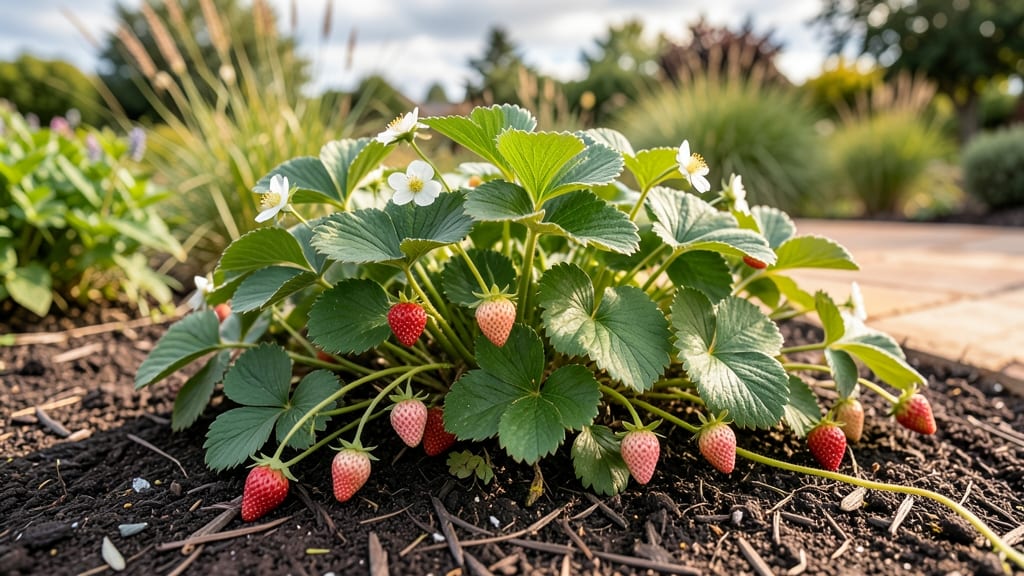
If you’ve ever wondered how tall does a strawberry plant grow, you’re not alone—many gardeners struggle to visualize the perfect space for these sweet little plants. 🍓 Strawberries might seem small, but their height can vary wildly depending on the variety, age, and even how you prune them.
Knowing the right size helps you plan your garden layout, whether you’re growing them in rows, containers, or hanging baskets.
The truth is, most strawberry plants stay surprisingly compact—typically between 6 and 18 inches tall—though some varieties, like Alpine strawberries, barely reach 4 inches. But here’s the catch: their growth habits change over time.
First-year plants focus on establishing roots, while mature plants in their second or third year can spread wider with runners, making them look bushier than expected.
What you’ll discover in this guide is how to match your garden space to your strawberry variety, from the low-growing everbearing types to the slightly taller June-bearing favorites.
Plus, I’ll share simple pruning tricks to keep your plants at the perfect height for easy harvesting—no more bending over for sore backs!
Whether you’re a beginner or a seasoned gardener, understanding these height differences is the key to a thriving strawberry patch. Let’s get your plants growing just the way you want them.

Strawberry plant height by variety: juniper, day-neutral, and everbearing differences
Strawberry plants typically reach heights between 6 and 18 inches at maturity, but the exact size depends heavily on the variety and growth type. June-bearing types often grow taller (12-18 inches), while everbearing and day-neutral varieties tend to stay more compact (6-12 inches).
Understanding these differences helps you plan spacing, container sizes, and even trellising strategies for your garden.
For example, Alpine strawberries—a dwarf variety—mature at just 4-8 inches tall, making them perfect for window boxes or small pots. Meanwhile, standard June-bearing varieties like 'Jewel' can stretch up to 18 inches when left unpruned.
Knowing these ranges ensures you don’t crowd plants or waste space in your garden layout.
The growth habit also plays a role: June-bearing types focus energy on one big harvest, often growing taller to support heavier fruit loads. Everbearing and day-neutral varieties produce smaller, more frequent harvests and stay shorter to conserve energy.
This distinction is critical if you’re choosing varieties for container gardening or small spaces.
| Variety Type | Mature Height | Runner Length | Best For |
|---|---|---|---|
| June-Bearing (e.g., 'Chandler', 'Jewel') | 12-18 inches | 12-24 inches | Large harvests, in-ground beds |
| Everbearing (e.g., 'Seascape', 'Ozark Beauty') | 8-12 inches | 6-12 inches | Containers, extended harvests |
| Day-Neutral (e.g., 'Tristar', 'Fort Laramie') | 6-12 inches | 6-10 inches | Greenhouses, warm climates |
| Alpine/Dwarf (e.g., 'Mignonette', 'Pink Panda') | 4-8 inches | 3-6 inches | Window boxes, small pots |
If you’re growing strawberries in containers, opt for dwarf or everbearing varieties to save space. A 5-gallon pot can comfortably fit 2-3 Alpine strawberry plants, while larger containers (10+ gallons) can accommodate 1-2 standard June-bearing plants.
Always ensure containers have drainage holes to prevent root rot, which can stunt growth and reduce plant height.
Another factor affecting height is the age of the plant. First-year strawberries often grow taller (12-18 inches) as they establish roots, while mature plants (year 2+) may stay shorter (6-12 inches) as they focus energy on fruit production.
This shift is why many gardeners replace strawberry beds every 3-4 years to maintain vigor and optimal height.
For vertical gardening, consider trellising taller varieties like June-bearing types. Use lightweight stakes or netting to support plants, which can reduce sprawling and keep the crown closer to the ground.
This method also improves air circulation, reducing the risk of fungal diseases that can weaken plants and alter their natural growth patterns.
When planning your garden, account for both the plant height and runner length. Runners (the long stems that produce new plants) can spread 12-24 inches from the mother plant, depending on the variety.
If you’re growing strawberries in rows, space plants 18-24 inches apart to give runners room to spread without overcrowding.
Pro tip: If you notice your strawberry plants growing too tall too quickly, it could signal nitrogen overload from fertilizer. Reduce feeding and focus on balanced nutrients (like a 10-10-10 NPK fertilizer) to encourage healthier, more compact growth.
Over-fertilizing with nitrogen promotes leafy growth at the expense of fruit production and structural stability.
For small-space gardens, mix varieties to create a layered effect. Place taller June-bearing plants at the back of raised beds, with shorter everbearing types in front.
This arrangement maximizes vertical space while ensuring all plants receive adequate sunlight and airflow, which are critical for maintaining ideal height and productivity.
Finally, remember that <
Strawberry plant height by variety: juniper, day-neutral, and everbearing differences
If you’re planning your strawberry patch, the first thing to consider is variety—because not all strawberries reach the same height. 🍓 While most stay between 6 and 18 inches, some varieties like Alpine strawberries barely top 4 inches, while others, like June-bearing types, can stretch up to 18 inches or more.
Understanding these differences helps you choose the right plants for your space, whether you’re growing in containers, raised beds, or traditional garden rows.
The three main strawberry types—June-bearing, day-neutral, and everbearing—each have distinct growth habits that affect their height and spread. June-bearing varieties, like Jewel or Chandler, tend to be the tallest, often reaching 12-18 inches in their second year.
Meanwhile, everbearing types like Seascape or Ozark Beauty stay shorter, typically 8-12 inches, making them ideal for smaller gardens or containers.
Day-neutral varieties, such as Seascape or Fort Laramie, fall in the middle with heights of 10-16 inches. These plants produce fruit continuously throughout the season, but their compact size makes them great for interplanting with other crops or growing in hanging baskets.
The key takeaway? Shorter varieties are perfect for urban gardens or balcony containers, while taller types thrive in open garden beds with room to spread.
| Variety Type | Height Range | Best For | Spacing Needs |
|---|---|---|---|
| June-Bearing (e.g., Chandler, Jewel) | 12–18 inches | Large gardens, open beds | 18–24 inches apart |
| Day-Neutral (e.g., Seascape, Fort Laramie) | 10–16 inches | Containers, small spaces | 12–18 inches apart |
| Everbearing (e.g., Ozark Beauty, Tristar) | 8–12 inches | Urban gardens, hanging baskets | 12 inches apart |
| Alpine (e.g., Mignonette, Pineberry) | 4–8 inches | Rock gardens, fairy gardens | 6–12 inches apart |
Another factor that affects height is the age of the plant. First-year strawberries focus on root growth, so they’ll stay shorter—around 6-12 inches. But by their second or third year, mature plants can grow taller, especially if they’re June-bearing varieties producing a large fruit load.
This is why many gardeners replace June-bearing plants every few years to maintain productivity and manageable height.
For container gardening, choose dwarf or semi-dwarf varieties like Alpine strawberries or Seascape, which thrive in pots just 12 inches deep. If you’re growing in the ground, leave extra space for runners, which can spread 12-24 inches beyond the plant’s height.
Proper spacing ensures good airflow, reducing the risk of fungal diseases like gray mold.
Pro tip: If you’re growing June-bearing strawberries in a small space, consider trellising the plants to keep them upright and save room for other crops. This works especially well for varieties like Seascape, which produce long, trailing runners.
With the right variety and spacing, you can enjoy a bountiful harvest without sacrificing garden space! 🌱