
Plants
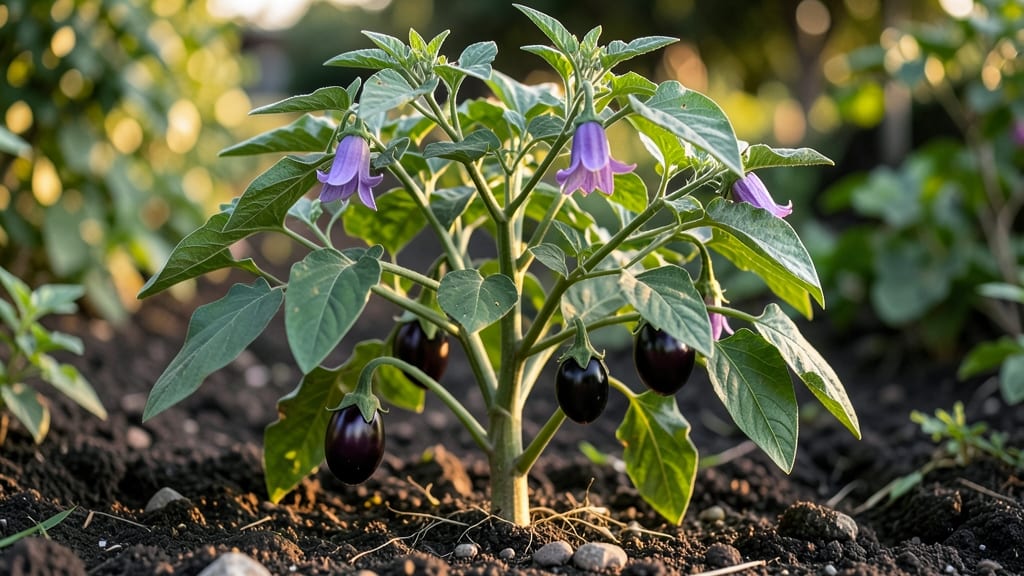
If you're wondering how tall does an eggplant plant grow, the answer might surprise you—especially if you're working with limited garden space.
These glossy-skinned 🍆 plants can reach anywhere from 2 to 4 feet tall, depending on the variety, but some dwarf types stay as short as 1 to 2 feet, making them perfect for containers or small gardens.
For most home gardeners in USDA Zone 6a, planting eggplants after the last frost (typically April to May) sets the stage for their full growth potential.
Understanding their mature height helps you plan spacing, trellising, or even container sizes to avoid crowding—because nobody wants leggy plants struggling for sunlight.
But here's the thing: height isn't just about variety—it's also about care. Proper sunlight, well-draining soil, and the right support (like cages or stakes) can make a big difference in keeping your plants at their ideal height.
Let's break down exactly what you need to know to grow eggplants that thrive—no matter their size.
Whether you're a first-time gardener or a seasoned pro, getting the height right means bigger yields and easier harvesting. Ready to learn how to optimize your eggplant's growth from seed to table? Let's dive in.

Eggplant height by variety: from dwarf to towering giants
Eggplants come in a surprising range of sizes, from compact bush varieties that fit in pots to towering giants reaching basketball hoop heights. Understanding these differences helps you plan your garden layout, choose the right container, or decide whether to use trellises.
The average eggplant grows between 2 to 4 feet tall, but some varieties can stretch beyond that with proper care.
For example, the Black Beauty classic reaches about 3 to 4 feet, while dwarf varieties like Fairy Tale stay under 2 feet. Knowing these heights prevents overcrowding and ensures each plant gets the 6-8 hours of sunlight it needs daily.
Let’s break down the most common categories so you can pick the perfect fit for your space.
📌 Key Insight: Height isn’t just about space—it also affects yield potential, pruning needs, and even pest susceptibility. Taller varieties often produce more fruit but require sturdier support.
| Variety | Height Range | Best For | Notes |
|---|---|---|---|
| Dwarf Varieties | 1–2 ft | Containers, small gardens | Ideal for patios; harvest earlier |
| Semi-Dwarf | 2–3 ft | Balconies, raised beds | Moderate support needed |
| Standard | 3–4 ft | In-ground gardens | Classic varieties like Black Beauty |
| Giant/Tall | 4–6 ft | Trellises, large plots | Requires staking; heavier fruit |
💡 Pro Tip: Measure your space before planting—taller varieties need 18–24 inches of spacing between plants.
If you’re growing eggplants in containers, stick to dwarf or semi-dwarf varieties like Fairy Tale or Patio Baby. These stay under 2 feet and thrive in 5-gallon pots with proper drainage.
For in-ground gardens, standard varieties like Ichiban or Rosa Bianca reach 3–4 feet and produce heavier yields when spaced 18–24 inches apart.
For adventurous gardeners, giant varieties like Dragon’s Egg can grow 5–6 feet tall and produce foot-long eggplants. These need trellises or cages and rich, well-draining soil to support their weight.
If you’re short on space but want big fruit, consider bushier hybrids like Little Penguin, which stays compact but produces high-quality fruit.
Another factor to consider is pruning habits. Some varieties, like Black Krim, grow sprawling and bushy (up to 4 feet wide), while others like Thai Long grow tall and slender.
Pruning can reduce height by 1–2 feet, but it also redirects energy to fruit production, so use it strategically.
🌱 Visual Tip: Imagine a standard kitchen counter (about 3 feet tall)—most eggplants will reach or exceed this height. Use this as a quick reference when planning your garden layout!
Finally, remember that height isn’t set in stone. With proper care—like balanced fertilization, consistent watering, and adequate sunlight—you can encourage healthier, more compact growth. In the next section, we’ll cover natural ways to control eggplant height without pruning, so you can tailor your plants to your space.
✂️ Action Step: Measure your garden beds or containers now and sketch a rough layout based on the height ranges above. This prevents overcrowding and ensures each plant gets the care it needs!
Eggplant height by variety: from dwarf to towering giants
Eggplants come in a surprising range of heights, from compact dwarf varieties that fit in containers to towering giants that need trellis support. Choosing the right variety for your space isn't just about aesthetics—it directly impacts your harvest potential and ease of care.
For example, my Fairy Tale eggplants stay under 2 feet tall, while my Black Beauty plants reach nearly 4 feet without support.
Most home gardeners focus on three main height categories: dwarf (1-2 ft), semi-dwarf (2-3 ft), and standard (3-4 ft). The dwarf varieties are perfect for balcony gardens or small containers, while the taller types need 18-24 inches of spacing between plants to avoid competition.
I’ve even seen giant varieties like Ichiban reach 5 feet when given optimal conditions!
Here’s how eggplant heights compare to everyday objects to help you visualize:
| Variety | Height Range | Best For | Everyday Comparison |
|---|---|---|---|
| Dwarf (e.g., Fairy Tale, Patio Baby) | 1–2 ft | Containers, balconies | Standard flower pot |
| Semi-Dwarf (e.g., Rosa Bianca, Little Ping) | 2–3 ft | Small gardens, raised beds | Chair height |
| Standard (e.g., Black Beauty, Ichiban) | 3–4 ft | In-ground gardens, trellises | Lamp post |
| Giant (e.g., Long Purple) | 4–5 ft | Large gardens, trellis support | Doorsill height |
When selecting varieties, also consider their growth habits. Bush types like Fairy Tale grow compact and sturdy, while vining types like Ichiban need stakes or cages to support their weight. I always plant my taller varieties near the back of the garden to avoid shading smaller plants.
Pro tip: If you’re growing eggplants in containers, choose dwarf varieties—they’ll thrive in 5-gallon pots with proper drainage. For in-ground planting, give standard varieties at least 18 inches of space in all directions to prevent overcrowding, which can lead to pests and diseases.
Remember, height isn’t the only factor—fruit size and yield also vary by variety. For example, Fairy Tale produces small, sweet fruits perfect for snacking, while Black Beauty yields large, meaty eggplants ideal for grilling. Match your variety to your culinary goals and garden layout for the best results.