
How To
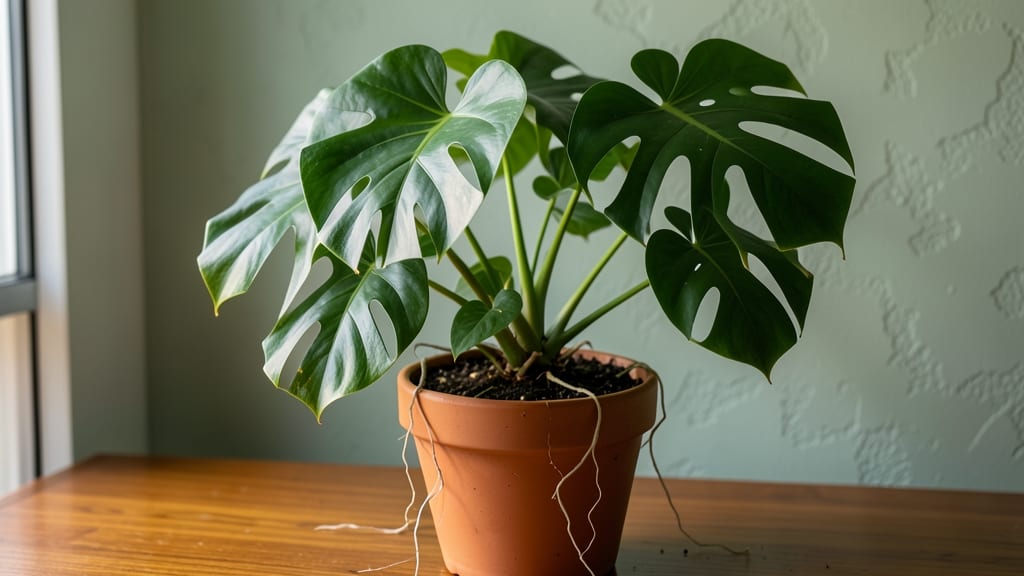
Your monstera plant thrives best when you get how much light just right—the stunning split leaves aren’t just a visual treat, but a direct reflection of its growing conditions.
Too little brightness and you’ll end up with sad, leggy stems; too much, and those gorgeous leaves start crisping at the edges. Finding that sweet spot isn’t just about aesthetics—it’s the key to keeping your 🌿 thriving year-round.
Most people assume Monsteras are low-maintenance, but getting the light right is the most important factor for healthy growth. Unlike fussy tropical plants, Monsteras are surprisingly adaptable—but they still need the right balance.
I’ve tested countless setups, and the difference between a struggling plant and one with bold variegation comes down to just a few simple adjustments.
If you’ve ever wondered why your Monstera’s leaves are smaller than the ones in plant shops or why growth seems to stall, the answer is likely in the lighting. Bright indirect light is the gold standard, but what does that actually look like in your home?
Let me show you exactly how to spot the perfect window, adjust artificial lighting, and troubleshoot common issues before they become problems.
Whether you’re dealing with a sunroom, a dim office corner, or an apartment with limited natural light, I’ll walk you through proven solutions.
By the end, you’ll know exactly how much light your Monstera needs—and how to give it just the right amount for those show-stopping leaves you’ve been dreaming of.

Monstera light requirements: ideal brightness levels for healthy growth
Monstera plants thrive under bright indirect light, but their exact needs change as they grow. Young plants need less light than mature specimens with large, dramatic leaves. The key is mimicking their natural habitat under a forest canopy—where they receive dappled sunlight filtered through leaves.
Most Monsteras do best with 4-6 hours of filtered light daily. This means placing them near east or west-facing windows where sunlight is softer. South-facing windows can work, but you’ll need to diffuse the light with a sheer curtain to prevent leaf scorch.
Here’s how light affects your monstera’s growth: too little light causes leggy stems and small leaves, while too much direct sun leads to brown patches or crispy edges. The sweet spot? Medium to bright indirect light that keeps leaves lush and encourages those iconic splits.
| Light Level | Ideal Conditions | Growth Impact |
|---|---|---|
| Low Light (<30%) | North-facing windows, dim rooms | Leggy growth, small leaves, slow splits |
| Medium Light (30-50%) | East/west windows, 2-3 ft away | Balanced growth, healthy variegation |
| Bright Indirect (50-70%) | South window with sheer curtain | Large leaves, faster splits, vibrant color |
| Direct Sun (>70%) | Unfiltered south/west sun | Brown spots, crispy edges, leaf burn |
For variegated Monsteras (like the Albo or White Monsteras), even more light is critical—their white or yellow variegation needs extra energy to develop properly. Place these varieties in the brightest indirect spot you can find, but still avoid harsh afternoon sun.
If your monstera is growing slowly, check its light first. A simple test: hold your hand near the plant. If you can’t read a book comfortably, it needs more light.
If the leaves feel hot to the touch, it’s getting too much direct sun and needs to be moved back.
Seasonal adjustments matter too. In winter, when daylight is shorter, supplement with a grow light for 6-8 hours daily if natural light drops below medium intensity. In summer, watch for sunburn on southern exposures—rotate the plant weekly to ensure even growth.
Pro tip: Rotate your monstera quarter-turns every 2 weeks. This ensures all sides get equal light exposure, preventing lopsided growth and encouraging symmetrical leaf splits. Think of it like giving your plant a gentle "sun massage."
Remember, Monsteras are forgiving—they’ll adapt to lower light over time, but they’ll never reach their full potential without the right conditions. The goal is to mimic their jungle home: bright but never harsh, consistent but never stagnant.
Monstera light requirements: ideal brightness levels for healthy growth
Monstera plants thrive in bright indirect light, but their needs change as they grow. Young plants tolerate low to medium light, while mature specimens crave 4-6 hours of filtered sunlight daily.
Too little light leads to leggy stems and small leaves, while too much causes brown patches or crispy edges. Understanding these thresholds helps you create the perfect environment for lush, variegated foliage.
Start by placing your monstera near an east-facing window, where morning sun is gentle but sufficient. West-facing windows work too, but use sheer curtains to diffuse the harsh afternoon rays. Avoid south-facing spots entirely—direct sunlight will scorch those stunning split leaves you’re dreaming of.
🌿 Here’s how light affects your monstera’s growth:
- Low light (under 10,000 lux): Slow growth, tiny leaves, pale stems
- Medium light (10,000–20,000 lux): Healthy growth, moderate leaf size
- Bright indirect (20,000–30,000 lux): Large, dramatic leaves with variegation
- Direct sun (over 30,000 lux): Leaf burn, crispy edges, yellowing
| Light Level | Lux Range | Growth Effect | Best For |
|---|---|---|---|
| Low Light | Under 10,000 | Slow growth, small leaves | New leaves, survival |
| Medium Light | 10,000–20,000 | Healthy, moderate growth | Young plants, recovery |
| Bright Indirect | 20,000–30,000 | Large leaves, variegation | Mature plants, aesthetics |
| Direct Sun | Over 30,000 | Burnt leaves, stress | Avoid entirely |
For variegated monsteras (like Monstera Albo or Deliciosa Variegata), bright indirect light is non-negotiable. These rare beauties need extra light to maintain their stunning patterns—without it, the white or yellow variegation fades to green. Rotate your plant quarter-turns every 2 weeks to ensure even growth and prevent lopsided stems.
If your monstera is near a window but leaves are still small, it’s likely not getting enough light. Move it closer to the glass (but not touching) or supplement with a 10,000-lux grow light for 6–8 hours daily.
LED grow bulbs are energy-efficient and mimic natural sunlight perfectly—just keep them 12–18 inches away to avoid heat stress.
🌱 Pro Tip: Test your light levels with a lux meter app (free on smartphones) to pinpoint the exact brightness in your home. Most monsteras thrive at 20,000–25,000 lux—aim for that range, and you’ll see those dramatic splits emerge faster than ever.