
How To
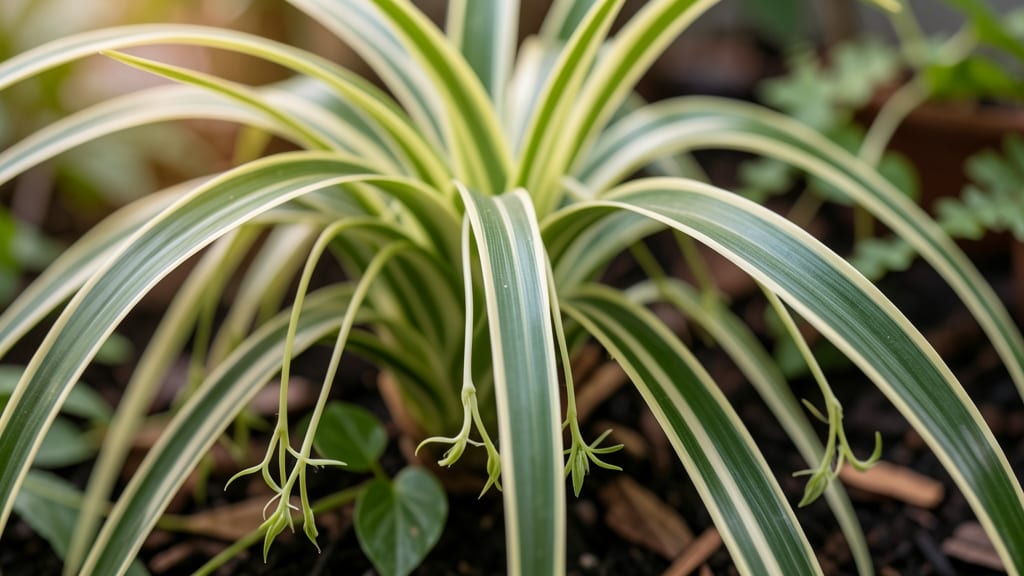
If your 🕷️ Spider Plant is struggling to thrive, the answer might be simpler than you think—it’s all about spider plant how much light it’s getting. Too little, and you’ll see limp leaves; too much, and those variegated stripes fade to plain green.
The good news? These hardy plants are forgiving, but they do have a sweet spot for growth.
Most people assume Spider Plants need bright light to survive, but the truth is they’re low-light champions that can handle everything from dim offices to sunny windowsills—just not direct sunlight.
I’ve learned the hard way that even a few hours of harsh afternoon rays can scorch those beautiful striped leaves. Let me show you exactly where to place yours for vibrant, healthy growth without the guesswork.
Whether you’re dealing with yellowing tips, slow growth, or just want to maximize your plant’s potential, understanding light is the key. We’ll cover everything from ideal window spots to artificial lighting hacks for apartments with limited natural light.
Trust me, once you get this right, your Spider Plant will reward you with longer stalks and more plantlets than you’ve ever seen.
Ready to transform your 🕷️ Spider Plant from struggling survivor to showstopper? Let’s dive into the light conditions that’ll have it thriving in no time—no green thumb required.

Ideal light conditions for spider plants: bright indirect light explained
Spider plants (Chlorophytum comosum) thrive in bright indirect light, making them perfect for homes with limited direct sunlight. Unlike sun-loving plants, they avoid harsh rays that can scorch their leaves.
The key is finding that sweet spot where light is abundant but filtered—think dappled shade under a tree or a well-lit room without midday sun.
Most spider plants grow best with 4-6 hours of indirect light daily. This means placing them near an east-facing window (gentle morning sun) or a north-facing window (consistent, soft light).
West-facing windows can work too, but only if your plant is at least 3 feet away to avoid the intense afternoon glare.
Here’s where many gardeners go wrong: assuming "more light is better." Direct sunlight—especially from south-facing windows—can cause the leaves to turn yellow or brown along the edges. Even a few hours of direct sun can stress your plant, leading to crispy leaf tips or stunted growth.
The goal is to mimic their natural habitat in shady forest understories, where light filters through leaves.
If you’re unsure about your home’s light levels, try this quick test: Hold a piece of white paper near your potential spot. If the shadows are sharp and dark, it’s direct light (too intense).
If shadows are soft and diffused, it’s ideal indirect light. Spider plants will reward you with vibrant green-and-white striped leaves and frequent "pups" (baby plants) when happy.
For those in low-light apartments, don’t despair! Spider plants are one of the most forgiving indoor plants and can tolerate fluorescent or LED grow lights for 10-12 hours a day.
Place the light 6-12 inches above the plant and adjust based on leaf color—pale or slow growth means more light is needed.
🕷️ Spider Plant Light Conditions Comparison
| Light Type | Ideal Hours/Day | Window Placement | Leaf Color & Growth |
|---|---|---|---|
| Bright Indirect Light | 4-6 hours | East/North window, 2-3 ft away | Vibrant green/white stripes, fast growth |
| Low Light (Fluorescent) | 10-12 hours (artificial) | Any room, 6-12 inches from light | Dull green, slower growth, fewer pups |
| Direct Sunlight | 2+ hours | South/West window, <1 ft away | Brown/yellow edges, crispy leaves |
⚠️ Pro Tip: Rotate your plant quarter-turn weekly to ensure even light exposure and prevent lopsided growth.
Seasonal changes can also affect your spider plant’s light needs. In winter, when natural light is scarce, supplement with a grow bulb or move the plant closer to a window.
Conversely, in summer, use sheer curtains to diffuse intense rays, especially if your plant is near a west-facing window. Think of your spider plant as a light meter—its leaves will tell you exactly what it needs.
One common misconception is that spider plants can thrive in complete darkness. While they’re more tolerant than many houseplants, they’ll eventually show signs of distress: leggy stems, pale leaves, and sparse pups.
If your plant starts stretching toward the light source, it’s a clear signal to increase light exposure gradually over 1-2 weeks to avoid shocking the plant.
For those with high-rise apartments or urban environments, consider placing your spider plant on a bookshelf near a window or using a reflective surface (like a mirror) to bounce light into the room. Even a white-painted wall behind the plant can enhance natural light reflection.
The goal is to create an environment where your spider plant feels as comfortable as it would in its native South African grasslands.
Remember, every home’s light conditions are unique. Start by observing your plant’s reaction to its current spot: healthy pups and bright foliage mean you’ve nailed the light balance.
If you’re still unsure, err on the side of slightly less light—spider plants are masters of adapting to low-light conditions and will forgive occasional missteps.
With the right light, your spider plant won’t just survive—it’ll thrive, producing those iconic arching leaves and hanging plantlets that make it one of the most rewarding houseplants for beginners. 🌱
Ideal light conditions for spider plants: bright indirect light explained
Your 🕷️ Spider Plant thrives in bright indirect light, which means it needs plenty of natural light—but not direct sun. Think of it like a morning coffee drinker: it loves the gentle glow of sunlight without the harsh afternoon heat.
The ideal spot gets 4-6 hours of filtered light daily, like what you’d find near an east- or north-facing window. This balance keeps those variegated stripes vibrant and prevents leaf scorch.
If you’re unsure about your home’s light levels, here’s a quick test: Hold your hand near your plant’s leaves.
If you can’t see your shadow clearly (but still notice soft light), it’s likely the perfect spot. South-facing windows can work too, but only if your plant is 3-5 feet away from the glass to avoid direct rays.
West-facing windows are trickier—they often provide too much intense afternoon sun, which can bleach or crisp the leaves.
Here’s how to visualize the perfect setup: Imagine your Spider Plant sitting on a side table beside an east window or on a bookshelf under a north skylight.
These spots mimic the dappled shade of a forest understory, where Spider Plants naturally grow. Even in low-light offices, they’ll survive—but expect slower growth and less striking variegation.
| Light Condition | Best Window Placement | Plant Response |
|---|---|---|
| Bright Indirect Light | East or North window, 2-3 ft away | Vibrant stripes, fast growth, frequent plantlets |
| Low Light | North corner, interior room | Slow growth, pale leaves, fewer plantlets |
| Direct Sunlight | South or West window, no barrier | Brown patches, crispy edges, faded stripes |
For those without ideal windows, grow lights are a game-changer. A simple LED grow bulb (like a 6500K daylight bulb) placed 6-12 inches above your plant for 12-14 hours daily mimics natural light perfectly.
I’ve seen Spider Plants in my bedroom closet thrive under a $20 clip-on light—just rotate the pot weekly for even growth. Pro tip: If your plant leans toward the light, it’s stretching for more—time to adjust its position!
One common mistake is assuming more light is always better. While Spider Plants are tough, over-exposure causes stress. Look for yellowing leaves or brown tips as red flags—these mean your plant is either burning or thirsty from dry air near a heat source.
Move it further from the window or add a sheer curtain to diffuse the light. Your goal is consistency: steady, gentle light without extremes.
Remember, Spider Plants are adaptable, but they’ll always reward you with healthier growth when you meet their light needs. Start by placing yours in the brightest indirect spot you can find, then tweak based on how it responds over 2-4 weeks.
With the right light, you’ll soon have a bushy, productive plant that’s the envy of every plant lover—including yours truly!