
Companion Plants
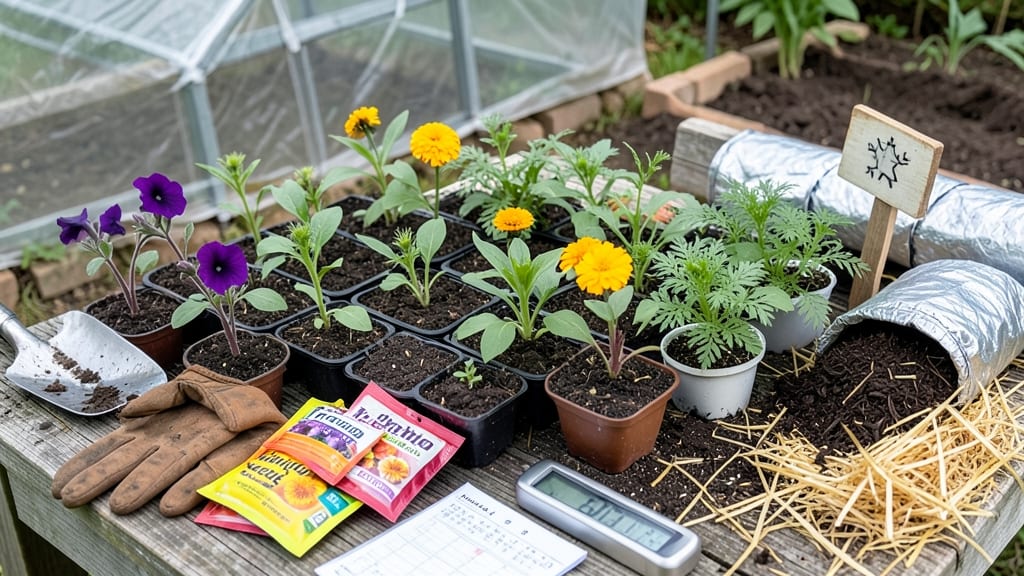
Planting annuals in Zone 6 at the wrong time can turn your garden dreams into a frost-killed nightmare—but getting the timing right means vibrant blooms and bumper crops all season long.
With Zone 6's average last frost date around April 15, knowing the exact weeks to plant your 🌸 annuals makes all the difference. Too early, and tender seedlings will shiver in the cold; too late, and you miss peak growth before summer heat sets in.
Whether you're sowing cool-season veggies like lettuce or heat-lovers like tomatoes, this guide breaks down the perfect planting windows for every type of annual in your region.
From succession planting tips to adjusting for early frosts, you'll learn how to stretch your growing season and keep your garden thriving—no matter what Mother Nature throws your way.
Zone 6 last frost dates: exact weeks to plant annuals for maximum yield
In Zone 6, the last frost date typically falls between March 15 and April 15, depending on your exact location. This 2-week window creates urgency—plant too early, and frost will kill tender seedlings; too late, and you miss peak growth.
For most annual flowers and vegetables, aim to plant 2–4 weeks before your area’s average last frost date.
Your Zone 6 region (e.g., Indiana, Ohio, or Pennsylvania) can shift these dates by 1–2 weeks. Coastal areas like Lake Erie shores may experience later frosts, while inland zones like Central Ohio often warm up faster.
Always check your local frost data—the USDA Plant Hardiness Zone Map and Almanac frost calculators are your best tools.
🌱 Key Rule: Wait until soil temperatures hit 50°F (10°C) for most annuals. Use a soil thermometer to confirm—cold soil can stunt germination even after air temps rise.
| Planting Window | Average Last Frost | Soil Temp | Best Annuals |
|---|---|---|---|
| Early Spring (March 1–March 31) | Before average frost | 40–50°F (4–10°C) | Peas, Lettuce, Spinach, Pansies |
| Late Spring (April 1–April 30) | After last frost (April 15) | 50–60°F (10–15°C) | Marigolds, Petunias, Basil, Tomatoes |
| Early Summer (May 1–May 31) | N/A (soil warmed) | 60–70°F (15–21°C) | Zinnias, Sunflowers, Peppers, Okra |
| Late Summer (August 1–August 31) | Before first frost (Oct 15) | 55–65°F (13–18°C) | Cosmos, Kale, Snapdragons, Aster |
For cool-season annuals like lettuce and spinach, you can even start 6–8 weeks before the last frost. These frost-tolerant varieties thrive in 40–50°F soil and can handle light frosts. Use row covers for extra protection if temps dip below 28°F (-2°C).
Conversely, warm-season annuals (tomatoes, peppers, basil) need consistent warmth. Avoid planting them until 2 weeks after your last frost date—soil must stay above 55°F (13°C) for 7+ days to prevent blossom-end rot in tomatoes.
Pro Tip: Use succession planting for vegetables like bush beans or radishes. Sow new seeds every 2 weeks from spring to early summer for a continuous harvest. This works best for fast-growing annuals with 30–60 day maturity.
If you’re unsure about your exact last frost date, harden off seedlings early and monitor weather forecasts. In Zone 6, a late frost in May can still occur—always have row covers ready.
For fall plantings, aim to sow seeds by mid-August to ensure flowers or veggies mature before the first frost (Oct 15).
Remember: Soil temperature matters more than air temperature. A 50°F soil with 70°F air can still stunt growth. Invest in a $15 soil thermometer—it’s the #1 tool for perfect timing in Zone 6.
🌿
Best annuals to plant by week in Zone 6: a strategic schedule
Zone 6 gardeners have a short but sweet window to plant annuals—typically between mid-April and early June—but not all plants thrive on the same timeline. I’ve broken down the best weeks to plant your top annuals, from frost-tolerant cool-season crops to heat-loving summer bloomers.
This schedule ensures you maximize your garden’s potential without wasting precious growing days.
For cool-season annuals like lettuce and pansies, I recommend planting 4–6 weeks before your last frost date (usually mid-March to early April in Zone 6). These plants can handle light frosts and even grow faster in cooler weather.
On the other hand, warm-season annuals like tomatoes and basil need to wait until soil temperatures hit 50°F+, which typically aligns with late April to early May.
| Week | Plant Type | Examples | Soil Temp |
|---|---|---|---|
| March 15–April 1 | Cool-Season | Lettuce, Spinach, Pansies | 40–50°F |
| April 15–May 1 | Warm-Season (Start Indoors) | Tomatoes, Peppers, Basil | 50–60°F |
| May 1–June 1 | Warm-Season (Outdoor) | Marigolds, Zinnias, Cucumbers | 60°F+ |
| August 1–15 | Fall-Blooming | Cosmos, Snapdragons, Kale | 50–60°F |
Pro tip: Use succession planting to keep your garden productive. For example, sow radishes every 2 weeks from April to July—they mature in just 30 days! Similarly, bush beans thrive when planted in late May and again in July for a double harvest.
This strategy works especially well for fast-growing annuals like lettuce, radishes, and bush beans.
Don’t overlook fall planting either! Many annuals, like kale, pansies, and calendula, can handle cool autumn temperatures and even bloom into winter with a little protection. Aim to plant these 8–10 weeks before your first frost (typically late July to early August in Zone 6).
A light row cover can extend their season by 2–4 weeks, giving you vibrant color well into November.
If you’re new to Zone 6 gardening, start with low-maintenance annuals like marigolds, zinnias, and nasturtiums. These thrive in average soil, need moderate watering, and bloom nonstop from summer to frost.
For vegetable lovers, prioritize tomatoes, peppers, and cucumbers—but be ready to harden off seedlings before transplanting them outdoors after May 15.
Remember, soil temperature matters more than air temperature. Use a soil thermometer to confirm it’s at least 50°F before planting warm-season annuals. If your soil is still too cold, wait another week or two—rushing can stunt growth or invite disease.
Patience pays off in a healthier, more productive garden!