
Companion Plants
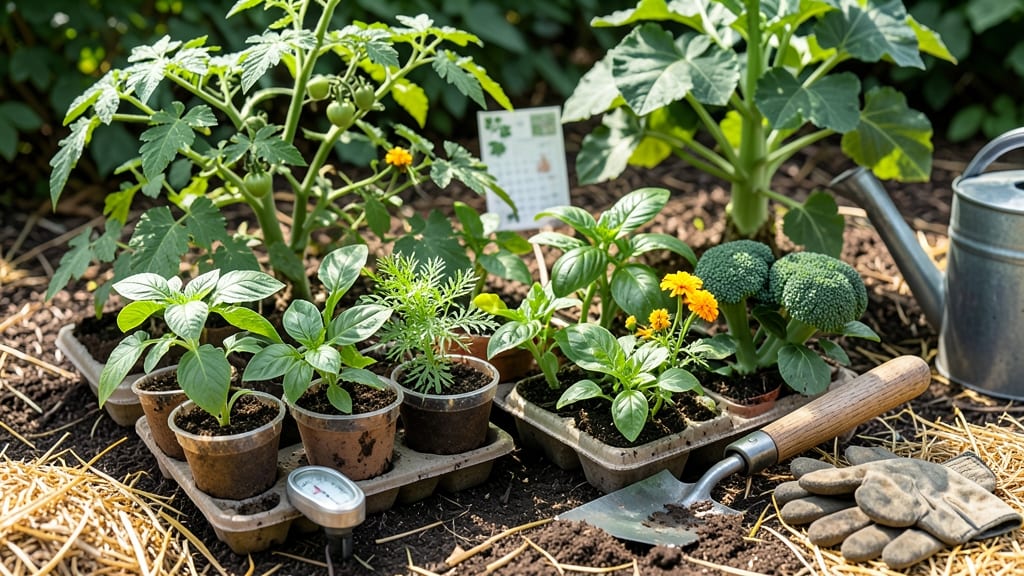
Timing when can I plant in Zone 6b just right can feel like solving a puzzle—get it wrong, and your hard work might end up in the compost bin.
The difference between a bumper crop and wasted seeds often comes down to knowing exactly when to plant, especially with Zone 6b's unpredictable frost dates that can shift by weeks depending on where you live.
Whether you're dreaming of juicy tomatoes or fragrant roses, the key is understanding your local microclimate. In Zone 6b, last frosts can arrive as early as mid-April in some areas, while others might not see their final freeze until early May.
That’s why I’m breaking down the exact windows you need to know—so you can start planting with confidence and avoid common mistakes.
From cool-season crops like spinach to heat-loving peppers, I’ll show you how to align your planting schedule with your region’s unique patterns. No more guessing whether your seedlings are ready or if that late frost is coming—just clear, actionable steps to maximize your garden’s potential.
Let’s dive into the Zone 6b planting calendar that actually works for your backyard, no matter where you are in this diverse zone. Your future harvests will thank you!
Zone 6B last frost dates: regional variations by microclimate
Zone 6B spans diverse regions from the Appalachian Mountains to the Midwestern plains, where elevation changes can shift frost dates by 2-4 weeks. In the Northeast corner, last frosts often hit around April 15, while Midwest locations may see them as late as May 1.
Rural areas tend to have earlier frosts than cities due to the urban heat island effect.
Historical data shows 5-year averages for last frost dates vary by 10-14 days across Zone 6B. For example, Pittsburgh, PA averages April 22, while Chicago, IL typically sees May 5.
First frosts also differ—Appalachian valleys may face them by October 10, while Great Lakes regions can delay until October 25.
Microclimates like south-facing slopes or low-lying areas can experience earlier springs or later falls. Use local weather stations or USDA Plant Hardiness Zone maps to pinpoint your exact window. Even a 100-foot elevation gain can push frost dates back by 3-5 days.
🌱
Zone 6B Last Frost Dates by Region
| Region | Last Frost (Avg) | First Frost (Avg) | Frost-Free Days |
|---|---|---|---|
| Appalachian Mountains | April 10-15 | October 10-15 | 175-180 |
| Midwest Plains | April 25-May 5 | October 20-25 | 150-160 |
| Northeast Cities | April 20-25 | October 15-20 | 165-170 |
| Great Lakes Shoreline | May 1-5 | October 25-30 | 150-155 |
*Data based on 5-year averages from USDA and NOAA. Elevation adjustments may apply.
Urban gardens often enjoy extended growing seasons due to concrete heat retention, while wooded areas can trap cold air, delaying spring planting by 1-2 weeks. To refine your timeline, observe local flora—when dandelions bloom or maple trees leaf out, it’s a natural last frost indicator.
For heat-sensitive crops like tomatoes or peppers, wait until soil temperatures reach 60°F+ (use a soil thermometer) before planting. Cool-season crops like spinach or kale can handle 40-50°F soil and may even tolerate light frosts. Always plant 2-3 weeks after your average last frost date to ensure safety.
🌿
If you’re unsure about your exact microclimate, use free frost calculators like the Old Farmer’s Almanac or NOAA’s frost maps. These tools account for local topography and historical patterns to give you a personalized planting window.
For example, a garden in western Pennsylvania might align with the Appalachian timeline, while one in northern Indiana would follow the Midwest schedule.
Pro tip: Keep a garden journal for 3 years to track your actual frost dates. Over time, you’ll spot local trends that USDA averages might miss. For instance, urban heat islands can push last frosts back by 7-10 days compared to rural areas just 10 miles away.
✂️
For perennials like asparagus or rhubarb, plant in early spring (March-April) to give roots time to establish before summer heat. Annuals like marigolds or zinnias can handle late spring plantings (May-June) as long as they get full sun.
Always check seed packets for days to maturity—this helps you calculate backward from your first frost date.
Remember: Frost risk isn’t just about dates—it’s also about nighttime temperatures. A
Zone 6B last frost dates: regional variations by microclimate
Zone 6B spans from the Appalachian Mountains to the Midwest plains, creating dramatic differences in frost timing. For example, Pittsburgh, PA typically sees its last frost around April 15, while Chicago, IL might wait until May 1.
Even within 50 miles, elevation can shift frost dates by 1-2 weeks, so don’t rely on generic zone averages.
Urban areas often experience "urban heat islands" that delay frost, while rural spots may freeze earlier. Historical data shows 5-year averages can vary by ±7 days, so tracking local patterns is key. I recommend using NOAA frost maps or the Old Farmer’s Almanac to refine your timeline.
Here’s how microclimates affect your planting window:
| Region | Last Frost (Avg.) | First Frost (Avg.) | Frost-Free Days |
|---|---|---|---|
| Appalachians (e.g., Asheville, NC) | April 5 | October 20 | 198 days |
| Midwest (e.g., Indianapolis, IN) | April 15 | October 15 | 183 days |
| Northeast (e.g., Syracuse, NY) | May 1 | October 5 | 158 days |
| Urban Heat Islands (e.g., Chicago, IL) | April 22 | October 10 | 171 days |
If you’re in a higher-elevation area (e.g., Western PA or West Virginia), expect frost to linger 1-2 weeks longer than valley regions. For example, State College, PA (elevation 1,200 ft) averages its last frost on April 25, compared to Pittsburgh’s April 15.
To account for these variations, I recommend planting cold-hardy crops like spinach or peas as early as March 15 in warmer microclimates, while waiting until April 1 in cooler spots. Use row covers to extend your window by 2-3 weeks if needed.
Pro tip: Monitor your local soil temperature—most seeds need 40°F+ to germinate. A soil thermometer ($10 at garden centers) is a game-changer for precision planting.