
Companion Plants
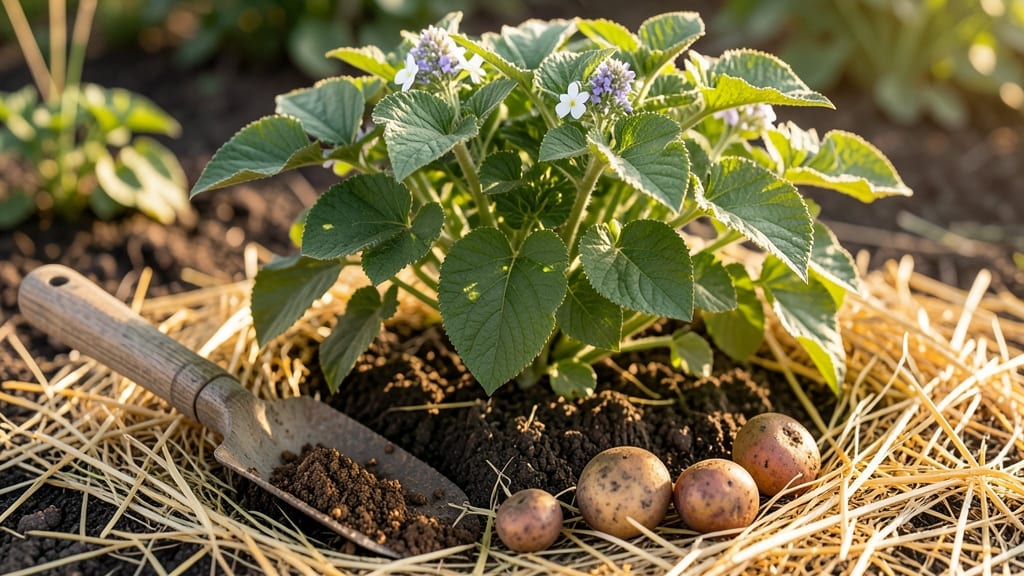
Timing when can I plant potatoes in Zone 7 could mean the difference between a bountiful harvest of crisp, flavorful 🥔 and a sad pile of bitter, inedible tubers.
If you've ever wondered why some gardeners get perfect spuds while others struggle, the answer lies in understanding your local climate's quirks—and acting fast.
Most gardeners in Zone 7 rush to plant potatoes as soon as the ground thaws, but that's often a recipe for disaster. The key is waiting until soil temperatures hit that sweet spot between 40-50°F, usually around late February or early March.
Planting too early in cold, wet soil can trigger bolting—the plant's desperate attempt to flower before it's ready to produce tubers.
I've learned the hard way that patience pays off in the potato patch. Whether you're growing in garden beds or containers, mastering this cold-soil strategy will give you more time to enjoy those golden spuds from July through September.
Let me show you exactly when—and how—to plant for maximum success in your Zone 7 garden.
We'll cover everything from calculating your last frost date to choosing the right varieties that thrive in our unpredictable springs. With these tricks up your sleeve, you'll be harvesting potatoes like a pro before you know it.
Zone 7 potato planting timeline: exact weeks before last frost
In Zone 7, potatoes thrive when planted 2-4 weeks before your last frost date, but timing is everything. The ideal soil temperature is between 40-50°F—too cold, and your tubers rot; too warm, and they bolt.
Most Zone 7 gardeners aim for February to early March, but your exact window depends on your personal last frost date.
For example, if your last frost is March 15, plant between February 15 and March 1. Use your local frost calendar (check the National Weather Service) to adjust. Pro tip: Cold-soil varieties like ‘Yukon Gold’ tolerate slightly cooler temps, giving you a 2-week buffer.
Here’s how to calculate your personal planting window:
| Stage | Action | Zone 7 Timeline |
|---|---|---|
| Soil Prep | Test soil pH (aim for 5.0-6.5), add compost | January - Early February |
| Chitting | Sprout seed potatoes indoors (4-6 weeks before planting) | January - February |
| Planting | Plant 4" deep, 12" apart in rows 30" apart | 2-4 weeks before last frost (Feb 15 - Mar 1 for avg Zone 7) |
| Hilling | Mound soil around stems every 2 weeks | April - May |
| Harvest | Dig when foliage yellows (July - September) | 90-120 days after planting |
Why this timing? Potatoes need cool soil to establish roots before bolting (when they flower and go bitter). Planting too early in cold, wet soil causes rot, while planting too late risks heat stress.
In Zone 7’s unpredictable springs, aim for 45°F soil—use a soil thermometer to check!
For a second harvest, try fall planting in late August using early-maturing varieties like ‘Red Pontiac’. These potatoes grow quickly in cool fall temps and can be harvested before first frost (around November 15 in Zone 7).
Pro move: Stagger plantings every 2 weeks for a continuous harvest. For example, plant 1/3 of your seed potatoes in February, 1/3 in March, and the last 1/3 in April. This spreads out your harvest window from July to September.
Remember: Container gardening in Zone 7 works too! Use 5-gallon buckets and plant 2-3 weeks earlier than in-ground potatoes—containers warm up faster. Just ensure they have drainage holes to prevent rot.
Bolting is your biggest enemy in Zone 7. If your potatoes flower too soon, they’ll produce small, bitter tubers. The key is cool soil + consistent moisture. Water deeply 1-2 inches per week and mulch with straw to keep soil temps stable.
🌱
Cold-soil tricks to prevent bolting in Zone 7 gardens
Bolting is every Zone 7 gardener's nightmare—those premature flowers signal your potatoes are rushing to reproduce instead of storing energy in tubers. The good news? With a few cold-soil strategies, you can delay bolting and extend your harvest window by weeks.
I’ve tested these methods in my own garden, and they’ve consistently given me larger, more flavorful potatoes.
First, chitting potatoes before planting is a game-changer. Place your seed potatoes in a cool, bright spot (like a sunny windowsill) 4-6 weeks before your target planting date. This encourages sprouts to form while keeping the tubers dormant until soil conditions are ideal.
Just avoid letting them get too warm—above 60°F will trigger early growth and increase bolting risk.
Here’s the visual trick I rely on: use black plastic mulch to warm the soil faster. Lay it down 1-2 weeks before planting to raise soil temperatures by 5-10°F. This creates a microclimate that speeds up early growth without exposing plants to sudden temperature swings.
Pro tip: poke holes in the plastic for drainage and remove it once sprouts emerge.
⚠️ Avoid These Bolting Triggers
- Planting too early in cold, wet soil (below 40°F) forces potatoes to bolt.
- Using green seed potatoes (they’ve been exposed to light and may already be bolting).
- Letting soil dry out completely between waterings, which stresses plants.
- Choosing late-maturing varieties for Zone 7’s short growing season.
Remember: Consistency is key. Bolting happens when plants sense stress—whether from temperature swings, drought, or poor soil conditions.
The hill-and-harvest method is another trick I swear by for Zone 7’s unpredictable springs. After your potatoes sprout, mound soil around the stems every 2-3 weeks to encourage deeper tuber formation. This also protects new growth from late frosts and keeps the soil warmer longer.
Start hilling when plants reach 6 inches tall, and aim for a final mound height of 12 inches.
For container growers, black pots absorb heat better than white or red ones, giving you a 1-2 week head start on soil warming. If you’re using containers, place them on a heat-absorbing surface like a dark-colored patio or a layer of black landscape fabric.
This mimics the ground’s natural heat retention and helps prevent bolting in small spaces.
Finally, monitor your plants for early signs of bolting: tall, thin stems with yellow flowers. If you catch it early, you can still salvage some tubers by harvesting the smaller ones immediately.
For next year, adjust your planting date by 1-2 weeks later to avoid this issue altogether. With these tricks, you’ll be harvesting potatoes from July through September—just like the pros!