
Companion Plants
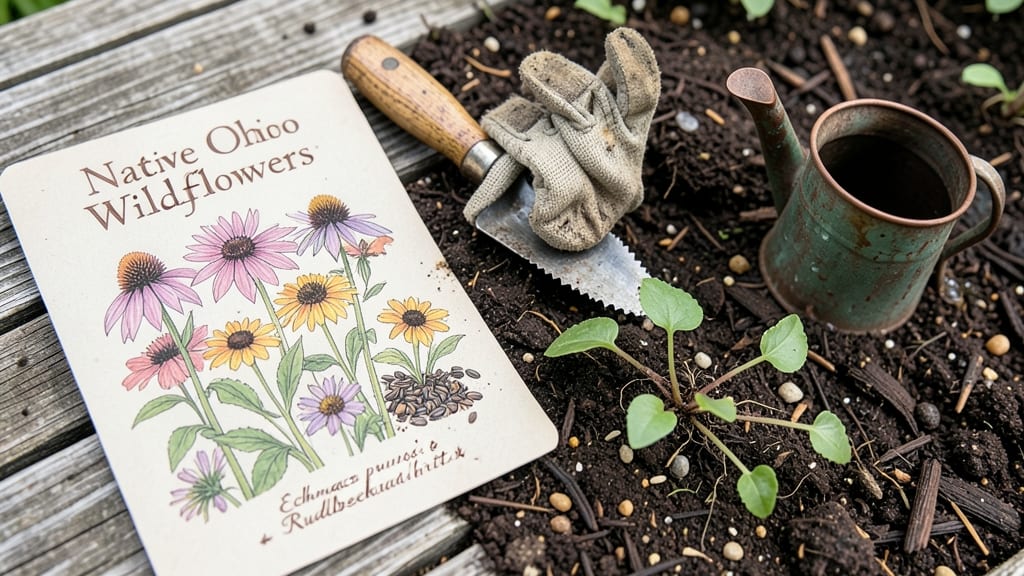
If you’ve ever wondered when to plant wildflower seeds in Ohio and wanted to see those vibrant blooms thrive, timing is the secret ingredient. Ohio’s 6a-6b climate gives you two prime windows—early spring or early fall—but getting it wrong can mean struggling seedlings or missed blooms.
Spring planting kicks off in March-April, right after the last frost (usually around April 15), while fall offers a second chance in September-October. Both seasons have their perks, but which one works best for your garden?
Let’s break down the ideal frost-free windows and soil prep tips to ensure your 🌼 wildflowers take root and flourish.
Why does this matter? Because wildflowers aren’t just pretty—they support pollinators, improve soil health, and add natural beauty to any Ohio landscape. Whether you’re a beginner or a seasoned gardener, knowing the best months to plant can make all the difference between a patchy meadow and a lush, blooming paradise.
I’ll walk you through the exact planting calendar, soil prep tricks, and even how to handle Ohio’s unpredictable weather. Ready to turn your garden into a buzzing wildflower haven? Let’s get started.
Ohio’s wildflower planting calendar by month: best times for each zone
Ohio’s climate—spanning USDA Zones 5b-6b—creates a 165-day frost-free window, but wildflower seeds thrive only when planted at the right time. The ideal months are March-April (spring) and September-October (fall), aligning with soil temperatures and rainfall patterns.
For example, northern Ohio’s colder microclimates (like Lake Erie regions) benefit from late April planting, while southern Ohio’s warmer zones (near Kentucky) can start as early as mid-March.
Spring planting (March-April) is perfect for annual wildflowers like cosmos and black-eyed Susans, which germinate quickly in 50-60°F soil. Fall planting (September-October), however, gives perennial species (e.g., coneflowers, bee balm) a head start on root growth before winter.
Avoid planting in May or November, as seedlings may struggle with late frosts or drought stress.
Ohio’s variable rainfall and unpredictable late frosts (sometimes until mid-April) demand precision. For instance, Appalachian foothills often experience 2-3 weeks later frost dates than urban Cincinnati areas. Always check your local average last frost date (use the Old Farmer’s Almanac or NOAA climate maps) before sowing.
🌱
🌼 Ohio Wildflower Planting Guide by Month
| Month | Best for | Soil Temp | Notes |
|---|---|---|---|
| February | Indoor starts | 60-65°F | Cold-frame or greenhouse only; risk of frost damage outdoors. |
| March | Southern Ohio | 50-55°F | Wait until after last frost (avg. March 20 in Columbus). |
| April | Statewide | 55-65°F | Best month for annuals; mulch to retain moisture. |
| May | Late additions | 60-70°F | Risk of drought stress; water deeply 2x/week. |
| September | Perennials | 60-65°F | Ideal for fall planting; seeds germinate in spring. |
| October | Northern Ohio | 50-55°F | Plant 6-8 weeks before first frost (avg. Oct 15). |
Pro Tip: For clay-heavy Ohio soils, amend with compost or sand to improve drainage before sowing.
If you’re planting in urban areas like Cleveland or Toledo, aim for late April to avoid Lake Erie’s cold air masses, which can delay warming. Meanwhile, rural Appalachian regions (e.g., Athens) can start as early as mid-March due to their warmer microclimates.
Always prioritize well-draining soil—Ohio’s clay-heavy areas (like southern Ohio) need extra organic matter to prevent waterlogging.
For direct sowing, scatter seeds lightly (1/4 inch deep) on prepared soil and press them into the earth. Annual wildflowers like cosmos germinate in 7-14 days if soil temps stay above 55°F, while perennials like coneflowers may take 3-4 weeks. Keep the area
How to choose wildflower seed varieties for Ohio’s climate and soil
Ohio’s diverse climate and soil types mean not all wildflower seeds thrive equally. Native species like black-eyed Susan and purple coneflower adapt best to Ohio’s USDA Zones 5b-6b, while non-native varieties may struggle with variable rainfall or compacted clay soil.
Always opt for region-specific mixes to ensure success and support local ecosystems.
For fast germination, choose annuals like cosmos or sunflowers, which sprout within 7-14 days when planted in spring (March-April). Perennials such as bee balm or goldenrod take longer—up to 30 days—but reward you with multi-year blooms and pollinator support.
🌱 Native vs. Non-Native Wildflowers for Ohio
| Type | Best For | Climate Fit | Planting Window |
|---|---|---|---|
| Native (e.g., coneflower, bee balm) | Pollinators, drought tolerance | All Ohio zones | Spring or fall |
| Non-Native (e.g., cosmos, zinnia) | Quick color, annual blooms | Warmer zones (6a+) | Spring only |
Ohio’s clay-heavy soils in southern regions (e.g., Cincinnati) benefit from amending with compost before planting, while sandy soils near Lake Erie drain too quickly. For drought-prone areas, prioritize deep-rooted perennials like butterfly weed or wild bergamot, which store moisture efficiently.
If you’re planting in shady microclimates (e.g., under trees), select partial-shade tolerant varieties like wild columbine or trillium. These thrive with 3-6 hours of sun and moist, well-draining soil, making them ideal for woodland gardens or north-facing beds.
For deer-prone areas (common in rural Ohio), avoid fragrant perennials like bee balm and instead plant milkweed or goldenrod, which deer typically ignore. Always mix seed varieties to create a natural, layered look that deters pests while attracting beneficial insects.
Pro tip: Pre-mixed wildflower blends for Ohio often combine 10-15 species to ensure season-long blooms. Look for labels specifying "Ohio-friendly" or "pollinator mix" to simplify your selection and maximize ecological benefits.