
Flowers
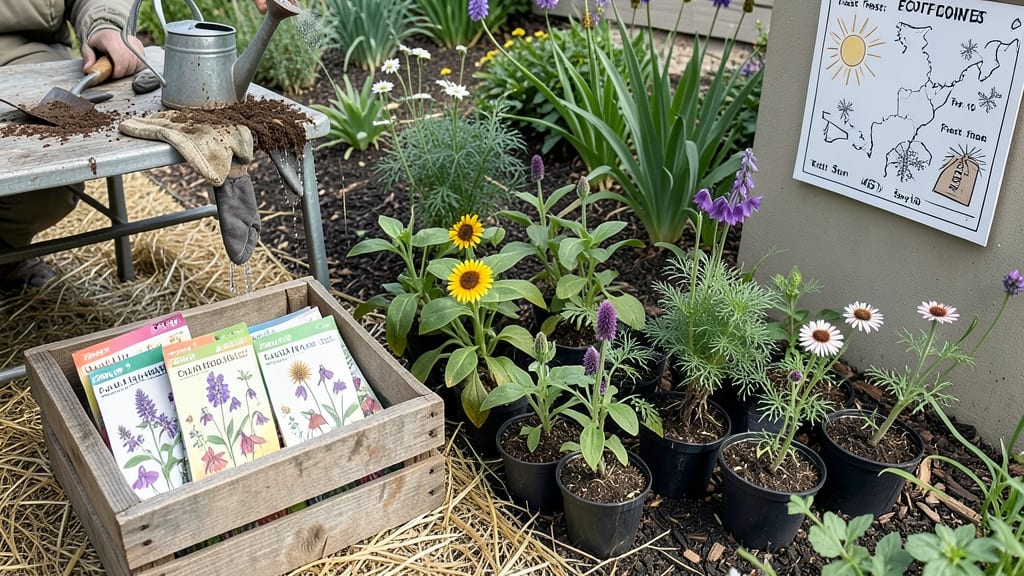
Timing your flower planting in Colorado can feel like solving a puzzle—one wrong move, and your vibrant 🌸 blooms might never appear. The right window depends on where you live, with elevation zones creating dramatic differences in frost dates and growing seasons.
From the Front Range's milder springs to the Western Slope's later starts, knowing when to plant is the key to success. Whether you're a first-time gardener or a seasoned pro, these precise guidelines will help you avoid common mistakes that waste time and resources.
We'll break down the best planting windows by region, including when to start seeds indoors and when to transplant outdoors. You'll discover how Colorado's unique microclimates affect everything from annuals to perennials, ensuring your garden thrives year after year.
Ready to transform your yard into a colorful paradise? Let's dive into the exact timing you need for your elevation zone—because in Colorado, patience and preparation pay off with stunning results.
Colorado planting zones by elevation: when to plant flowers in each region
Colorado’s dramatic elevation shifts—from 5,000 feet in Denver to 14,000 feet in the Rockies—create wildly different planting seasons. A lowland garden near Colorado Springs might thaw by March 15, while high-altitude gardens in Aspen wait until May 15 or later.
Understanding your USDA hardiness zone (4–8) and microclimate is key to timing success.
Most Colorado gardens fall into three broad elevation categories: Front Range lowlands (under 5,000 ft), mountain valleys (5,000–9,000 ft), and high-altitude areas (above 9,000 ft). Each has distinct last frost dates and growing windows.
For example, Denver’s average last frost is April 15, but Telluride’s can linger until June 1.
Spring planting in Colorado hinges on soil temperature and frost risk. For annuals like marigolds or petunias, wait until two weeks after your area’s last frost date. Perennials like coneflowers or black-eyed Susans can handle cooler soil, so plant them 4–6 weeks earlier than tender annuals.
Fall planting offers a second chance for cool-season flowers. In lowland zones, sow pansies or snapdragons by August 15 to bloom through winter.
At higher elevations, wait until July 15 to avoid early frosts. Bulbs like tulips should go in the ground 6–8 weeks before your first frost date.
Microclimates matter more than elevation alone. A south-facing slope in Colorado Springs warms 2–3 weeks earlier than a north-facing yard. Urban heat islands (like downtown Denver) can push last frosts 5–7 days later than rural areas.
Use frost cloth or row covers to protect young plants if your local forecast predicts late frosts.
For high-altitude gardens (above 9,000 ft), focus on short-season varieties like alpine sweet william or hardy geraniums. These thrive in Colorado’s shorter growing season (only 90–110 frost-free days in some areas). Start seeds indoors by March 1 to give them a head start.
Local nurseries like Planting Fields in Denver or High Country Gardens in Santa Fe offer region-specific varieties already adapted to Colorado’s climate. Their experts can recommend cold-hardy annuals or drought-tolerant perennials perfect for your zone.
Track your garden’s progress with a planting journal. Note when you sow, transplant, and see first blooms—this helps refine your timing each year. For example, my Denver garden’s cosmos seeds sprouted 10 days earlier in 2023 than the year before, thanks to warmer springs.
🌱 Remember: Colorado’s unpredictable weather means flexibility is key. Always have a backup plan—like container gardening for heat-sensitive plants or greenhouse starts for late-season blooms.
Best flowers for Colorado’s short growing seasons: cold-hardy varieties by zone
Colorado’s elevation extremes demand flowers that thrive in short growing seasons and cold snaps. Whether you’re gardening in Denver’s urban heat islands or Aspen’s alpine meadows, these varieties will reward you with vibrant blooms despite the challenges.
For low-elevation gardens (under 5,000 ft), focus on hardy annuals and perennials that tolerate hot days and cool nights. In mid-elevation zones (5,000–9,000 ft), prioritize cold-resistant species with deep root systems. Above 9,000 ft, only alpine-adapted flowers will survive the intense sunlight and frost.
| Elevation Zone | Best Flowers | Planting Time | Notes |
|---|---|---|---|
| Under 5,000 ft (Denver, Colorado Springs) | Bearded Iris, Coneflower, Black-Eyed Susan, Zinnias, Marigolds | April–May (spring) or August (fall) | Drought-tolerant; full sun |
| 5,000–9,000 ft (Estes Park, Fort Collins) | Lupines, Columbines, Delphiniums, Penstemons, Yarrow | May–June (spring) or July (fall) | Cold-hardy; partial shade OK |
| Above 9,000 ft (Aspen, Leadville) | Alpine Forget-Me-Nots, Glacier Lilies, Mountain Bluets, Edible Pods (Silene) | June–July (only) | Alpine species; wind protection needed |
For low-elevation gardens, zinnias and marigolds are my go-to annuals—they bloom fast and reliably even in hot, dry summers. In mid-elevation zones, columbines and penstemons thrive with minimal care, their vibrant colors attracting pollinators all season.
High-altitude gardeners should stick to native alpine flowers like glacier lilies, which handle intense UV exposure and freezing nights. These plants often self-seed, creating stunning naturalized meadows over time.
Pro tip: Deadhead spent blooms on perennials like coneflowers to encourage longer flowering seasons. In high-altitude gardens, use rock gardens to protect delicate alpine species from strong winds.
🌿