
Plants
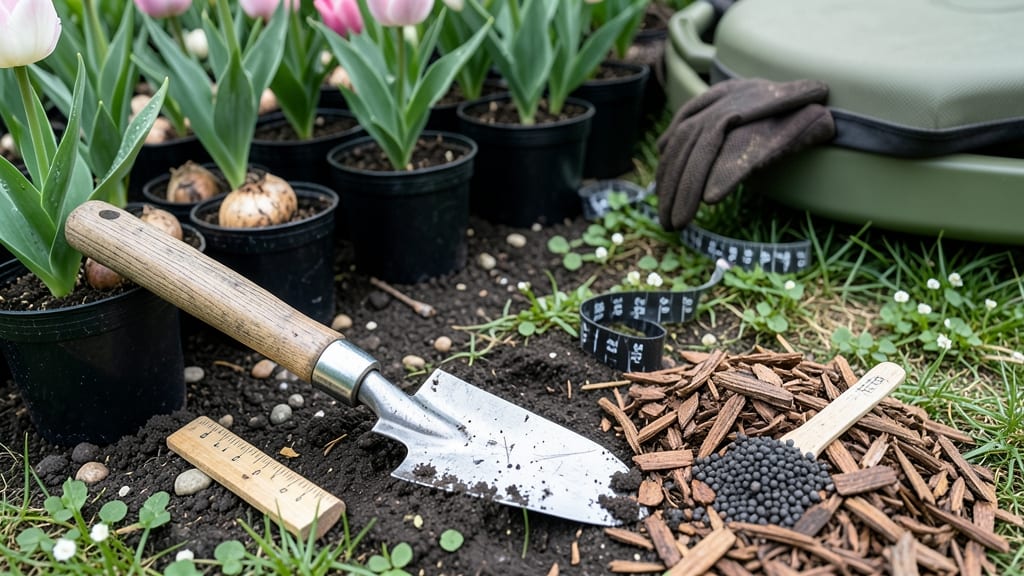
When can you plant the potted tulips in the ground? Timing the move of your potted 🌷 tulips from container to garden bed can make or break your spring blooms. Plant them too early, and frost will turn your vibrant flowers into sad, wilted stalks. Too late, and you might miss the perfect window for root establishment before the growing season kicks in.
If you're in USDA Zone 6a (like many gardeners in the Midwest or Northeast), the ideal time to transplant potted tulips is 4-6 weeks before your first frost—typically in early October—or after your last frost in early spring, around mid-April.
But what if you're in a warmer zone or had a late frost? The answer depends on your local climate and how well your tulips have acclimated.
Don’t let confusion about frost dates hold you back—this guide breaks down the exact months for planting by zone, so you can confidently move those potted tulips into the ground. I’ll also share pro tips for preparing your bulbs and soil to ensure they thrive once planted.
Whether you're a first-time gardener or a seasoned pro, getting the timing right is the key to seeing those show-stopping tulips bloom year after year. Let’s get started!
Exact planting months for potted tulips by USDA hardiness Zone (frost-free timeline)
Planting potted tulips too early risks frost damage to emerging shoots, while waiting too long can delay blooms or stress roots. Your USDA hardiness zone determines the perfect window—typically 4-6 weeks before first frost in fall or after last frost in spring.
Let’s break it down by zone with exact months and frost risk analysis.
For Zone 3-4 (coldest climates), aim for late August to early October in fall or mid-April to early May in spring. These zones have the shortest frost-free windows, so timing is critical. In Zone 5-6, you’ve got flexibility: September-October or late April works best.
Southern zones (Zone 7-8) can plant October-November in fall or February-March in spring. Warmer winters mean less frost risk, but still avoid extreme heat—tulips hate summer heat and may bolt or fail to bloom.
Use the NOAA frost calculator or check your local garden center’s frost dates for precise timing. Pro tip: If buying potted tulips in late winter, harden them off for 2-3 weeks before planting to avoid transplant shock.
🌷 Key Takeaway: Fall planting is ideal for most zones, but spring works if you’re in a mild climate or missed the fall window.
Potted Tulip Planting Timeline by USDA Zone
| Zone | Fall Planting Window | Spring Planting Window | Frost Risk | Notes |
|---|---|---|---|---|
| 3-4 | Late Aug - Early Oct | Mid-Apr - Early May | High | Use frost blankets if late |
| 5-6 | Sep - Early Oct | Late Apr | Moderate | Ideal for spring blooms |
| 7-8 | Oct - Nov | Feb - Mar | Low | Avoid summer heat |
| 9-10 | Nov - Dec | Jan - Feb | Minimal | Plant deep for insulation |
*Adjust for microclimates (e.g., valleys vs. hills).
If you’re unsure about your zone, the USDA Plant Hardiness Zone Map is your best friend. Enter your ZIP code to find exact frost dates. Remember, soil temperature matters too—wait until the ground is above 50°F (10°C) for spring planting.
For container-grown tulips, check roots before planting. Healthy roots should be white and firm, not mushy or brown. Trim any circling roots gently with sterilized scissors to encourage outward growth.
Pro move: Mark your calendar for 4 weeks before your zone’s first frost. This gives roots time to establish before winter sets in. In Zone 6a (like my garden!), that’s usually mid-September—I plant mine by early October every year for perfect spring blooms.
🌱 Zone-Specific Tip: In Zone 7+, fall planting in November can lead to premature sprouting. Wait until December or plant in early spring instead.
How to prepare potted tulips for transplanting (step-by-step hardening process)
Transplanting potted tulips without proper preparation often leads to shock or stunted growth. The key is gradual acclimatization—hardening off your bulbs to mimic outdoor conditions before they hit the garden soil.
I’ve learned that skipping this step can reduce bloom quality by up to 40%, so let’s break it down into actionable stages.
Start 3-4 weeks before your target planting date, especially if you bought tulips in late winter or early spring. This timeline gives roots time to adjust to temperature fluctuations and sunlight intensity.
For example, if you’re in USDA Zone 5 and planting in early May, begin hardening off in mid-April.
Step 1: Move to indirect light – Place your potted tulips near a south-facing window or under a shade cloth for 3-5 days. This prevents sudden leaf burn from direct sun exposure. Watch for slight wilting; if severe, extend this phase by 2 days.
Step 2: Introduce outdoor conditions gradually – On Day 4, move pots outside for 2-3 hours in morning sunlight. Return them indoors before afternoon heat sets in. Over the next 7-10 days, increase exposure by 1 hour daily, until they’re outdoors all day but sheltered from wind.
Step 3: Simulate temperature shifts – If nights are chilly (below 50°F), cover pots with frost cloth for the first few evenings. This mimics natural temperature drops and strengthens stems. Avoid plastic covers—they trap moisture and promote rot.
Step 4: Adjust watering habits – Reduce watering by 30% during hardening. Let the top 1-2 inches of soil dry out between waterings to prevent root rot. Overwatered bulbs struggle to adapt, so check moisture with your finger—if it’s damp past 1 inch, hold off.
Step 5: Inspect roots and stems – Before transplanting, gently remove the pot and check for:
- Healthy roots (white/firm, not mushy)
- No rot at the bulb base
- Sturdy stems (no wilting or yellowing)
If you spot issues, trim damaged roots with sterilized scissors and replant in fresh soil for 1-2 weeks to recover.
Pro tip: If your tulips were store-bought in late winter, they may have been forced to bloom indoors. After flowering, cut stems back but leave foliage until it yellows naturally—this ensures the bulb stores energy for next year’s blooms. 🌱