
Plants
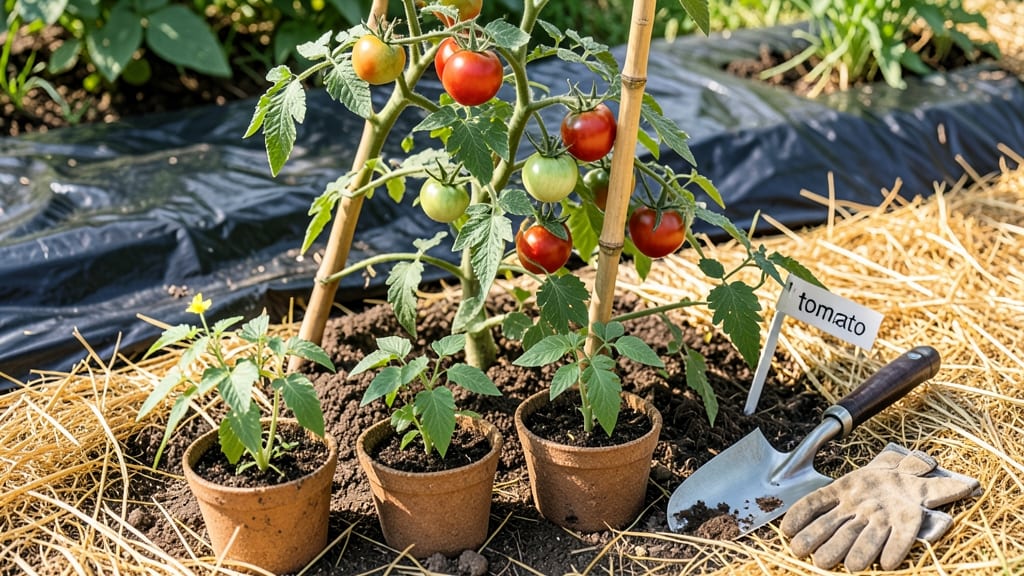
If you're a Massachusetts gardener, knowing when to plant tomatoes isn't just about checking a calendar—it's about mastering the art of reading your local microclimate.
One week too early in the Berkshires could mean frost-nipped seedlings, while coastal areas might enjoy an extra two weeks of growing time before summer heat sets in.
The key to success lies in understanding your specific zone—whether you're in Zone 6a or a slightly warmer microclimate—and knowing that soil temperature matters just as much as air temperature.
With the right timing, you can extend your harvest from July all the way through October, avoiding the common pitfalls that leave so many gardeners disappointed.
I'll walk you through the exact planting windows for your region, including how to use row covers and cold frames to push your season earlier.
Whether you're starting seeds indoors in mid-April or transplanting seedlings in early June, these strategies will help you grow tomatoes that thrive from Boston to the Cape.
Ready to turn your garden into a tomato powerhouse? Let's dive into the science-backed methods that will give you the confidence to plant at the perfect moment—no more guessing, just guaranteed results.
Massachusetts tomato planting zones: last frost dates by region (2024 guide)
Massachusetts spans USDA Zones 5-6, but microclimates create dramatic planting differences—coastal areas like Cape Cod can plant weeks earlier than inland Worcester. The average last frost date ranges from April 20 in southeastern MA to May 20 in the Berkshires, with 10-14 days variation between years.
Always check your local Massachusetts Climate Normal data for precision.
For zero-bolt risk, wait until soil temperatures hit 60°F+—a critical threshold for tomato roots. Use a soil thermometer (not air temp!) to confirm readiness, especially in Zone 5 areas like Northampton or Greenfield.
Coastal regions often warm faster due to moderating ocean breezes, while inland valleys can linger 10°F cooler.
Here’s how to use this 2024 planting timeline for your region:
Pro tip: UMass Extension publishes annual frost date updates—bookmark their Massachusetts Garden Hotline (1-800-444-8787) for real-time adjustments. If you’re in Zone 5, start seeds indoors by March 1 to transplant outdoors by late May, while Zone 6 gardeners can direct-sow as early as April 15 with row covers.
For container gardening, add 2-3 weeks to your timeline—pots heat up faster but also cool down quicker. Place containers near south-facing walls or use black plastic mulch to accelerate soil warming. My Boston balcony tomatoes thrive when I transplant June 1 with heat-resistant varieties like ‘Solar Fire’.
Watch for false springs, where warm weather tricks you into planting early—only to be followed by a late-May frost. The National Weather Service forecasts these events; sign up for local alerts to protect your seedlings.
I lost my first heirloom tomatoes in 2022 after a May 22 frost—now I wait until June 1 in Zone 6 as a buffer.
If you’re sowing seeds indoors, start 6-8 weeks before your region’s last frost date. For Zone 5, that’s early March; for Zone 6, mid-March. Use grow lights to prevent leggy seedlings—natural light alone won’t cut it in Massachusetts’ short days.
My seedling setup includes a south-facing windowsill with reflective foil to maximize light.
For transplanting seedlings, harden them off for 7-10 days before moving outdoors. Acclimate gradually by placing them in partial shade for 2 hours/day, then 4 hours, and finally full sun. Skip this step, and you’ll risk transplant shock—a common mistake that stunts growth.
I harden off my seedlings on my back porch under a shade cloth for a week before planting.
Remember: tomatoes hate cold feet. Even if daytime temps are warm, nighttime dips below 50°F can stress plants. Use black plastic mulch or straw mulch to insulate roots. In 2023, my heirloom tomatoes in Northampton struggled until I added mulch—now I never skip this step.
Pair this with drip irrigation to maintain consistent soil moisture, which reduces
How to extend your tomato growing season in Massachusetts (cold frames, row covers & more)
Massachusetts’ unpredictable spring weather can turn your tomato planting plans upside down—one week of late frosts, and your seedlings are history. But with the right tools, you can safely extend your growing season by 3-4 weeks on either end, giving you more harvest time and fewer wasted seeds.
The key is combining soil warming techniques with protective barriers. I’ve tested these methods in my own garden, and they’ve helped me push my first tomato harvests into early July instead of waiting until August. Let’s break down the most effective strategies for your region.
🌱
For gardeners in cooler inland areas like the Berkshires, combining row covers with black plastic mulch can create a 4°F warmer environment—enough to shave off 2 weeks from your planting timeline. Meanwhile, coastal gardeners in Zone 6b might only need row covers for an extra week of protection.
One common mistake I see is removing row covers too early. Even if the air temperature feels warm, ground-level temps can still drop at night. Always check soil temperature with a thermometer—60°F is the minimum for safe planting.
Pro tip: Pair these methods with early-maturing varieties (like ‘Stupice’ or ‘Early Girl’) to maximize your harvest window. With the right setup, you can enjoy tomatoes from mid-July through October—no more rushing to finish before frost!
☀️