
Plants
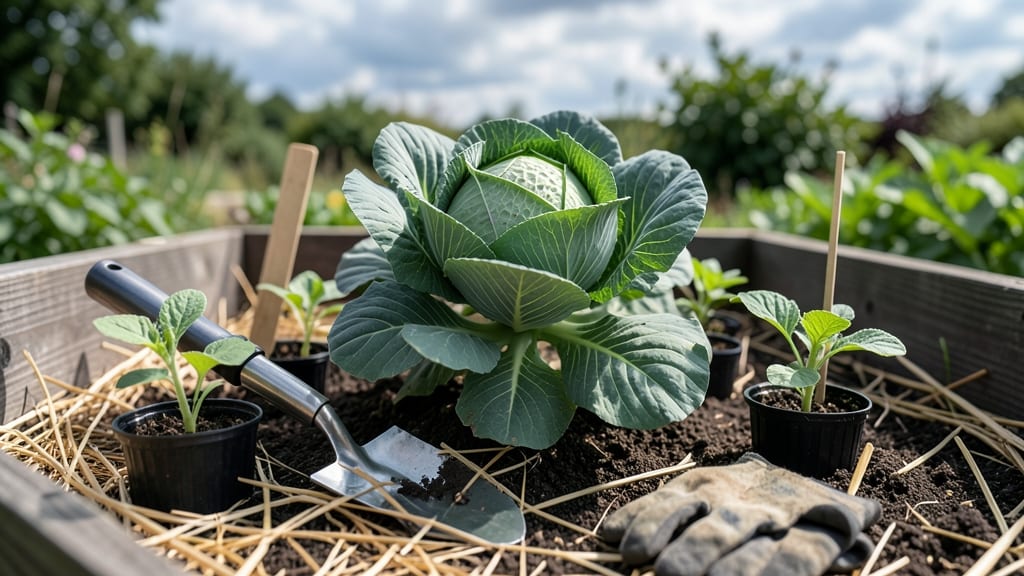
Planting 🥬 cabbage in Alabama at the wrong time means either watching your plants bolt into bitter flowers or risking frost damage before harvest. The key to zero-bolt success lies in understanding Alabama’s unique USDA 7b-8a climate and its two perfect planting windows: early spring and late summer.
Most gardeners in Alabama know that timing matters, but few realize how much a 2-week window can make or break your cabbage crop. Plant too early in spring, and heat stress triggers bolting by summer.
Time it wrong in fall, and frost arrives before heads mature. Let’s break down the exact dates to plan your fall and spring planting for maximum yield.
Whether you’re a seasoned gardener or new to growing 🥬 cabbage, these deadlines will help you avoid common mistakes. From soil temperature thresholds to transplanting tips, I’ll share the strategies Alabama gardeners use to get crisp, flavorful heads every season.
Ready to grow cabbage that’s ready to harvest in May-June or October-November? Let’s dive into the planting schedule that works for Alabama’s climate—so you can enjoy fresh cabbage straight from your garden all year.
Best fall planting dates for cabbage in Alabama (avoid bolting before frost)
Alabama’s fall planting window for cabbage is your golden opportunity to avoid the heat stress of summer while still harvesting before the first frost. In North Alabama (USDA Zone 7b), aim to plant between mid-August and early September.
For South Alabama (Zone 8a), you’ve got a slightly longer window—late July through mid-September—thanks to warmer soils and later frost dates.
Why this timing? Cabbage thrives in cool weather (60-70°F), and planting too early in summer risks bolting (premature flowering). Planting too late means your heads won’t mature before November’s first frost, which typically hits around November 15 in most of Alabama.
Here’s the key: Soil temperature should be below 80°F at planting. Use a soil thermometer to check—if it’s hotter, wait a week or two. Transplanting hardened-off seedlings (not direct sowing) gives you more control over timing, especially if you’re pushing the late-September limit.
🌱 Fall Cabbage Planting Summary for Alabama
| Region | Planting Window | Soil Temp Threshold | Last Frost Risk |
|---|---|---|---|
| North Alabama (Zone 7b) | Mid-August – Early Sept | Below 80°F | Nov 1-15 |
| South Alabama (Zone 8a) | Late July – Mid-Sept | Below 80°F | Nov 15-30 |
If you’re direct sowing seeds in fall, start them 4-6 weeks before your target planting date.
For example, if you’re planting on September 1, sow seeds around July 15 in a shaded, moist seedbed. Transplants (purchased or homegrown) give you a 2-week head start over seeds, so they’re ideal for late-August/early-September plantings.
One common mistake? Skipping soil prep. Before planting, amend your beds with 2-3 inches of compost and a balanced fertilizer (10-10-10). Cabbage is a heavy feeder, and fall soils in Alabama often lack nutrients after summer crops.
Test your soil’s pH (aim for 6.5-7.0)—cabbage hates acidic soil.
For extended harvests, stagger your plantings every 2 weeks within your region’s window. For example, in North Alabama, plant on August 15, August 30, and September 10 to ensure a steady supply. This works especially well for smaller varieties like 'Miniature Drumhead,' which mature faster (55-60 days).
Watch for cabbage loopers and flea beetles in late summer—both pests thrive in Alabama’s heat. Use row covers or neem oil sprays preventatively. If you notice yellowing leaves or chewed edges, act fast to protect your heads.
Harvest your fall cabbage before frost hits. In Alabama, that’s usually late October to mid-November, depending on your location. Look for firm, compact heads with tightly wrapped leaves.
If outer leaves start yellowing, it’s time to pick—even if the head isn’t fully mature. Store harvested heads in a cool, humid space (32-35°F) for up to 2 weeks.
Remember: Fall cabbage is your ticket to crisp, sweet heads without the summer bolting drama. With these dates and tips, you’ll avoid the two biggest pitfalls—heat stress and frost loss—and enjoy a bountiful harvest. 🥬
Spring cabbage planting deadlines in Alabama: how to beat bolting and heat stress
Spring cabbage in Alabama demands precision—plant too early, and you’ll face bolting (premature flowering) from cool nights. Plant too late, and summer heat stresses your crop. The critical window runs from February 15 to March 15, with regional adjustments for North vs. South Alabama.
My secret? Start seeds indoors 6-8 weeks before your last frost date (typically March 15) to harden off seedlings before transplanting.
For North Alabama (USDA Zone 7b), aim for early March transplants when soil temps hit 40°F+. In South Alabama (Zone 8a), push it to late February to avoid heat stress.
Always use shade cloth (30-50%) if temps exceed 85°F—this buys you 2-3 extra weeks of harvestable heads before bolting kicks in.
🚨 WARNING: Skipping shade cloth in Alabama’s summer heat? Your cabbage will bolt in 3-4 weeks instead of forming heads. I’ve seen this happen—don’t let it be you! 🥬
🚨 Heat Stress Warning
Symptoms: Yellowing leaves, loose heads, bitter taste
Solution: Use shade cloth + daily watering (1-2 inches)
Deadline: Transplant by March 20 in North AL, March 1 in South AL
For succession planting, sow every 2 weeks from February to April. This stretches your harvest through May-June before summer heat takes over. Pro tip: Use black plastic mulch to warm soil faster—this lets you plant 10-14 days earlier without risking frost damage.
Direct sowing is risky in spring—transplants thrive better because they avoid soilborne diseases. Buy 6-week-old seedlings from local nurseries (like Alabama Cooperative Extension affiliates) for bolting-resistant varieties like ‘Golden Acre’ or ‘Cavalo.’
💡 Pro Tip: Test soil pH (aim for 6.5-6.8) and amend with compost before planting. My fall cabbage yields doubled after this simple step! Water deeply in the morning to prevent fungal diseases like downy mildew, which thrives in Alabama’s humid summers.
Remember: Spring cabbage in Alabama is a race against time—heat, humidity, and bolting are your biggest enemies. With the right timing and care, you’ll harvest crisp, sweet heads before summer shuts down production. Happy planting! 🌱