
Plants
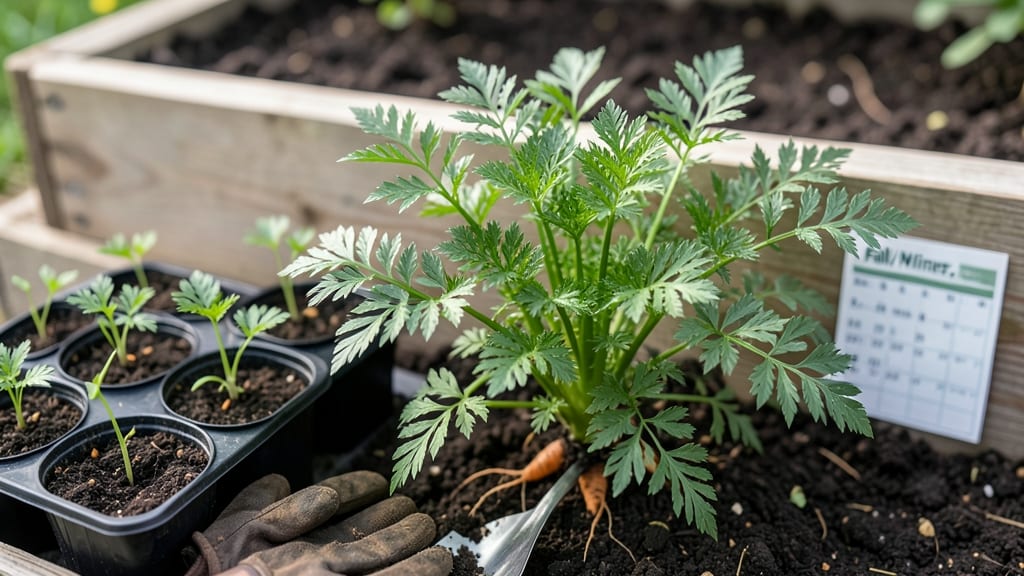
Planting carrots in Louisiana isn’t just about timing—it’s about beating the heat and humidity to grow sweet, crisp 🥕 roots that don’t bolt before harvest. With the right frost-free deadlines, you can sidestep the state’s long summers and mild winters to enjoy homegrown carrots year-round.
Most gardeners in USDA Zones 8a-9b focus on two key windows: late summer for fall harvests and early spring to avoid the worst heat. But did you know Louisiana’s climate actually allows for three planting opportunities if you plan carefully?
I’ll break down the best months, soil prep tricks, and how to adjust for your local microclimate.
The secret to success? Loose, well-drained soil and shade during peak summer heat. We’ll cover how to choose heat-tolerant varieties and when to fertilize—because overdoing it can send your carrots shooting up instead of growing down. Let’s make this your most productive carrot season yet.
Whether you’re a first-time gardener or a seasoned grower, these insights will help you avoid common pitfalls like forking roots or pest damage. Ready to dig in? Let’s get your carrot patch off to the perfect start.
Louisiana carrot planting calendar: month-by-month frost-free deadlines
Timing your carrot planting in Louisiana is all about avoiding the brutal summer heat while maximizing the cooler months. With USDA Zones 8a-9b, your frost-free window stretches from mid-February to early December—but not all months are created equal for carrots.
Carrots thrive in cool temperatures (60-70°F), making fall and early spring the sweet spots. Summer’s oppressive heat forces them to bolt (flower prematurely), leaving you with bitter, stringy roots. Let’s break down the best planting windows month by month to ensure a steady harvest.
| Month | Planting Window | Key Notes | Harvest Time |
|---|---|---|---|
| February | Late February (after last frost) | Start baby carrots for quick harvests. Use row covers if nights dip below 50°F. | May-June |
| March | Entire month | Ideal for heirloom varieties. Soil should be 60°F+ for germination. | June-July |
| April | Early April (before heat sets in) | Risk of bolting increases. Best for short-day varieties like 'Paris Market'. | July-August |
| August | Late August (succession plant) | Use shade cloth (30-50%) to prevent bolting. Plant in well-drained soil. | November-December |
| September | Entire month (best time!) | Perfect fall temperatures. Ideal for storage carrots like 'Chantenay'. | December-February |
| October | Early October (before first frost) | Last chance for long-season varieties. Mulch heavily to extend harvest. | January-March |
For succession planting, sow new seeds every 2-3 weeks during your ideal months (February-March and September-October). This ensures a continuous harvest and reduces the risk of overcrowding, which leads to forked or stunted roots.
If you’re aiming for winter storage, prioritize planting in September. Varieties like 'Danvers' and 'Nantes' store well in cool, dark conditions and can last until March if harvested before hard frosts. Just be sure to cure them for 2-3 days in a dry, shady spot before storing.
Pro tip: Mark your calendar for August 15—this is your last chance to start a fall crop before Louisiana’s heat becomes too intense. Use lightweight row covers to protect seedlings from afternoon sun and pests like carrot rust flies.
Remember, soil temperature matters just as much as air temperature. Carrot seeds need soil at 60°F+ to germinate. Use a soil thermometer to check before planting—cold soil will delay or prevent germination entirely.
🌱
How to adjust carrot planting for Louisiana’s heat and humidity
Louisiana’s summer heat and high humidity can turn your carrot patch into a bolting disaster if you don’t adjust your approach. The key is to beat the heat while keeping soil moisture consistent—two tricky tasks in our climate.
I’ve learned that shade cloth, succession planting, and heat-tolerant varieties are my best allies for success.
First, avoid planting during peak summer months (June-August) unless you’re using shade cloth. Temperatures above 85°F cause seeds to dry out before sprouting, and mature plants bolt (go to seed) instead of growing roots.
Instead, focus on late summer and fall plantings when daytime temps drop below 80°F. This aligns perfectly with Louisiana’s second frost-free window (September-October).
For summer plantings, use 30-50% shade cloth to reduce soil temps by 10-15°F. This simple trick can mean the difference between germination failure and a thriving crop. Pair it with daily watering (early morning only) to prevent soil crusting, which blocks young seedlings from emerging.
⚠️ Heat Warning: Bolting Risk
Carrots bolt when stressed by heat or drought. Watch for:
- Long, thin leaves (sign of bolting)
- Yellowing tops (heat stress)
- Bitter flavor (over-mature roots)
Solution: Harvest early or replant in cooler months.
Soil moisture is your next battlefront. Louisiana’s humidity means soil can feel damp but still lack the consistent moisture carrots need. Use a moisture meter or the finger test (stick your finger 1 inch deep—if dry, water). Drip irrigation is ideal because it delivers water slowly and directly to roots without wetting foliage (which promotes fungal diseases).
Another pro tip: Mulch heavily with straw or pine needles to retain moisture and keep roots cool. I’ve seen mulch reduce soil temps by 5-10°F during peak summer. Just avoid organic mulches like grass clippings—they can introduce weeds and compact soil, making it harder for carrots to grow straight.
Finally, choose the right varieties for your climate. ‘Danvers’ and ‘Chantenay’ handle heat better than ‘Nantes’, which bolt easily. For fall harvests, try ‘Sweet Crunch’—it matures in 60 days and tolerates mild heat. Always soak seeds overnight before planting to improve germination in hot, dry soil.
With these adjustments, you can extend your carrot season well into Louisiana’s cooler months. The payoff? Crisp, sweet roots instead of bitter, woody disappointments. Now go ahead—give it a try in your next garden rotation!