
Plants
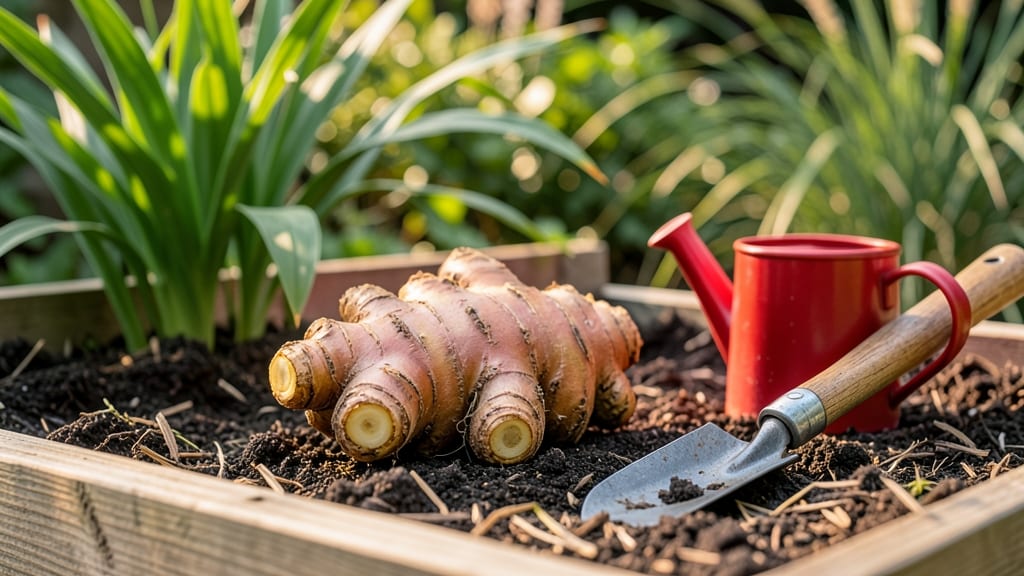
Timing your ginger planting in NC can mean the difference between a thriving harvest and a frost-killed crop—especially when North Carolina's microclimates range from coastal warmth to mountain chill.
If you've ever wondered why your ginger plants struggle despite your best efforts, the answer likely lies in when (and where) you planted them.
Ginger 🌿 thrives in USDA zones 7a-8b, but even within North Carolina, the 3-month window between last frost (mid-March) and first frost (mid-November) varies dramatically by region. Plant too early, and you risk frost damage; too late, and your rhizomes won't mature before winter sets in.
The key is understanding your specific microclimate's frost-free days and soil temperature thresholds.
In this guide, I'll break down the exact planting windows for North Carolina's three distinct regions—Coastal, Piedmont, and Mountains—plus soil prep tips and heatwave protection strategies. Whether you're a first-time gardener or a seasoned grower, these insights will help you time your planting for maximum success.
By the end, you'll know precisely when to plant your ginger rhizomes, how to adjust for your local climate, and what to watch for to ensure a bountiful harvest. Let's get started!
North Carolina ginger planting zones: when to start by microclimate
North Carolina’s climate varies wildly from the Coastal Plain to the Mountains, making ginger planting timing a microclimate puzzle. Coastal areas like Wilmington enjoy USDA Zone 8b with later frosts, while the Asheville region in Zone 7a faces earlier cold snaps.
To avoid frost damage or stunted growth, align your planting with local soil temperatures—aim for 60-70°F—and last-frost dates.
Ginger thrives in NC’s humid subtropical climate but needs precise timing. Planting too early risks frost damage to tender shoots, while late starts may yield small rhizomes. The key? Match your USDA zone to the 3-phase planting window below, adjusted for elevation and heatwaves.
For example, Piedmont gardens (Raleigh) should plant in early April, while Mountain regions (Boone) wait until mid-May.
Soil temperature is your best guide. Use a soil thermometer to confirm 60°F+ before planting. Coastal areas hit this mark by early March, while the Mountains may wait until late April. Pro tip: Mulch heavily (3-4 inches of straw) to maintain warmth during heatwaves or cool nights.
Here’s how NC’s 3 main regions differ in ginger planting timing:
For Coastal NC, start ginger rhizomes indoors in January to give them a head start. Use seed trays with well-draining soil and keep them in a warm spot (75°F).
Transplant outdoors by late February once soil warms. In the Piedmont, wait until April 1st to plant directly into the ground—earlier plantings risk frost damage.
Mountain gardeners should avoid fall planting entirely due to early frosts. Instead, focus on spring planting in May and use black plastic mulch to accelerate soil warming. This technique adds 5-7°F to soil temperature, helping ginger establish faster in cooler climates.
Test your soil’s acidity (pH 6.0-7.0)—ginger prefers slightly acidic conditions, and amending with sulfur or peat moss can improve yields.
Heatwaves are a Coastal NC challenge. If temperatures exceed 90°F for 3+ days, provide shade cloth (30-50%) and increase watering to deep soaks every 3 days.
In the Piedmont, mulch with straw or wood chips to retain moisture. Mountain regions rarely face heat stress, but afternoon shade helps ginger avoid wilting.
Pro tip: Pre-sprout ginger rhizomes indoors 2-3 weeks before outdoor planting. Place a rhizome in a jar of water with sprouts facing up—once roots are 1-2 inches long, plant them directly into the garden.
This method ensures a 2-week head start on growth, critical for Mountain and Piedmont gardeners with shorter growing seasons.
Always monitor your local extended forecast for unusual temperature drops. If a cold
Ginger planting calendar: month-by-month NC schedule with heatwave protection
North Carolina’s spring ginger planting window runs from late March to early June, but the best time depends on your region and heatwave risks.
Coastal areas can plant as early as February if soil temperatures stay above 60°F, while mountain regions should wait until late April to avoid late frosts. The key is balancing soil warmth with frost-free days—aim for 10-12 weeks before your first frost date.
For fall planting, September to early October works best in most of NC, giving rhizomes time to establish before winter. However, mountain gardeners should plant by mid-September to avoid early freezes. Always check your local USDA zone and last frost date—these are your planting deadlines.
🌱
Heatwaves are the biggest threat to NC ginger plants. When temperatures exceed 90°F, your rhizomes can suffer heat stress. My go-to solution? Shade cloth (30-50%) during peak afternoon sun combined with daily mulch checks.
Keep soil moisture consistent—ginger roots need 1-2 inches of water weekly, but avoid waterlogging.
For cooler microclimates like the mountains, extend your growing season by planting in containers. Move pots to a sunny spot during the day and bring them indoors (garage or basement) if night temps drop below 50°F. This trick adds 4-6 extra weeks of growth before winter.
Always monitor your plants for yellowing leaves or stunted growth—these are red flags for poor timing. Adjust your schedule next year based on what you learn! With the right timing, you’ll harvest plump, flavorful ginger rhizomes every season.
☀️