
Plants
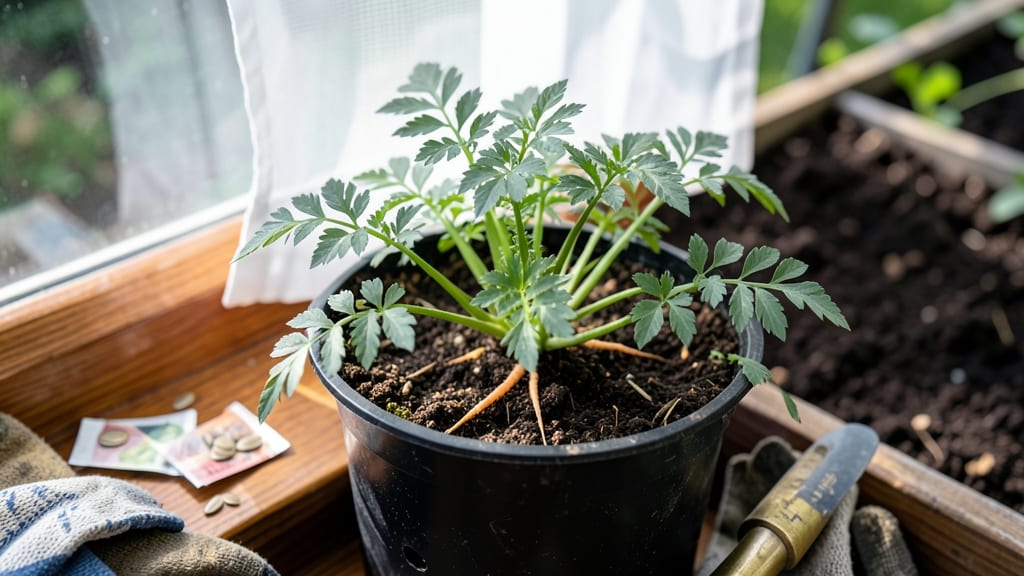
Planting carrots in Ohio at the wrong time can turn your garden dreams into disappointment—whether you end up with bolted greens or stunted roots. With USDA Zone 6a frost dates swinging from mid-April to mid-October, timing is everything for those sweet, crisp 🥕 you crave.
Most gardeners in Ohio swear by early spring planting between March and April, when soil temperatures hit 50°F—the sweet spot for germination. But late summer (July-August) also offers a second chance for a fall harvest, provided you beat the first frost.
Why does this matter? Because Ohio’s unpredictable weather means one wrong move could ruin your crop. I’ll break down the exact frost-free timeline, soil prep tips, and how to stretch your growing season for maximum yields—no guesswork required.
Ready to grow carrots that rival the grocery store? Let’s dive into the perfect planting schedule for Ohio’s climate, so you can enjoy homegrown harvests from May through November.
Ohio carrot planting timeline by month: frost dates, soil temps, and best seasons
Ohio’s USDA Zone 6a climate means carrot planting hinges on frost dates and soil temperatures. In most years, the last spring frost arrives around mid-April, while the first fall frost typically hits mid-October.
These dates create a 165-day frost-free window, perfect for two carrot crops: one in spring and one in fall. Getting the timing right ensures you avoid bolting (premature flowering) or stunted roots from cool soil.
For spring planting, I start seeds indoors 4-6 weeks before the last frost date—around early March—or sow directly outdoors as soon as soil temps reach 50°F (usually late March to early April).
In southern Ohio, where springs arrive earlier, you might begin 2-3 weeks sooner than in northern Ohio. The goal is to harvest before summer heat causes the roots to become woody.
Here’s the key: Carrots thrive in cool weather (ideal soil temps: 60-70°F). Planting too early in cold soil (45°F or below) slows germination, while waiting too long risks bolting as days lengthen.
In Ohio, I’ve learned that March and April are the sweet spots for spring carrots, with August to early September being ideal for fall planting to mature before frost.
If you’re in northern Ohio (e.g., Cleveland, Toledo), err on the side of planting later in spring to avoid frost. I’ve seen gardeners in these areas wait until mid-April to sow seeds outdoors, using row covers to protect young seedlings.
Meanwhile, southern Ohio growers (like those in Cincinnati or Columbus) can start as early as late February for indoor starts or early March for direct sowing.
For fall carrots, I focus on August and early September planting to ensure roots mature before the first frost. Varieties like ‘Danvers’ or ‘Purple Haze’ handle cooler temps better than ‘Nantes’, which bolt more easily.
To extend the season, I use black plastic mulch or straw mulch to keep soil warm and protect seedlings from late-summer pests like carrot rust fly.
Pro tip: Test your soil temperature with a soil thermometer before planting. Carrot seeds need consistent moisture and warm soil (60°F+) to germinate. If your soil is too cold, try soaking seeds overnight or using a seedling heat mat for faster sprouting.
In Ohio’s variable climate, being flexible with your planting dates—and having a backup plan for row covers—makes all the difference.
Remember, succession planting is your friend. Instead of one big planting, I sow carrot seeds every 2 weeks from March through July to ensure a steady harvest. This works especially well for short-season varieties like ‘Paris Market’, which mature in just 50-60 days.
By staggering plantings, you’ll have crisp carrots from May through October, even in Ohio’s unpredictable weather.
Finally, don’t forget that Ohio’s microclimates can vary dramatically. A garden in Appalachian Ohio might have 2 weeks earlier last frost dates than one in the Great Lakes region.
Check your local Cooperative Extension office for hyper-local frost data, and keep a garden journal to track what works best in your specific yard. With the right timing,
Ohio carrot planting timeline by month: frost dates, soil temps, and best seasons
Ohio’s USDA Zone 6a climate means your carrot planting window is short but sweet—just 165 frost-free days to grow perfect roots. The key is planting when soil temperatures hit 50°F, which typically happens in early March to mid-April for spring crops.
Fall planting starts in late July to early August to ensure harvest before the first frost in mid-October.
Northern Ohio’s cooler microclimates may delay planting by 2-3 weeks compared to southern regions like Columbus or Cincinnati. Always check your local last frost date—planting too early risks frost damage, while waiting too long can lead to bolting (premature flowering) from heat stress.
| Month | Planting Window | Soil Temp | Notes |
|---|---|---|---|
| March | Late March (southern OH) / Early April (northern OH) | 50°F+ | Use row covers for frost protection |
| April | Mid-April to early May | 55°F+ | Ideal for spring harvests |
| July | Late July to early August | 60°F+ | Choose fast-maturing varieties |
| August | Mid-August (last chance) | 60°F+ | Harvest before first frost |
For spring planting, aim to sow seeds 4-6 weeks before your last frost date. In Ohio, this usually means late March to early April in southern regions and early to mid-April in northern areas. Use a soil thermometer—carrots need consistent warmth to germinate properly.
Fall planting is trickier but rewarding. Start seeds indoors in late June and transplant seedlings in early August to ensure a 70-80 day harvest before frost. If you miss this window, consider cold-hardy varieties like ‘Purple Haze’ that tolerate light frosts.
Pro tip: Ohio’s variable weather can throw off timing. If spring is cold, wait until soil warms to 55°F—even if it’s May. For fall, harden off seedlings gradually to prevent transplant shock before the first frost hits.
Always test your soil before planting—carrots thrive in loose, well-draining soil with a pH of 6.0-7.0. Amend heavy clay soil with compost or sand to prevent forked roots. 🌱