
Plants
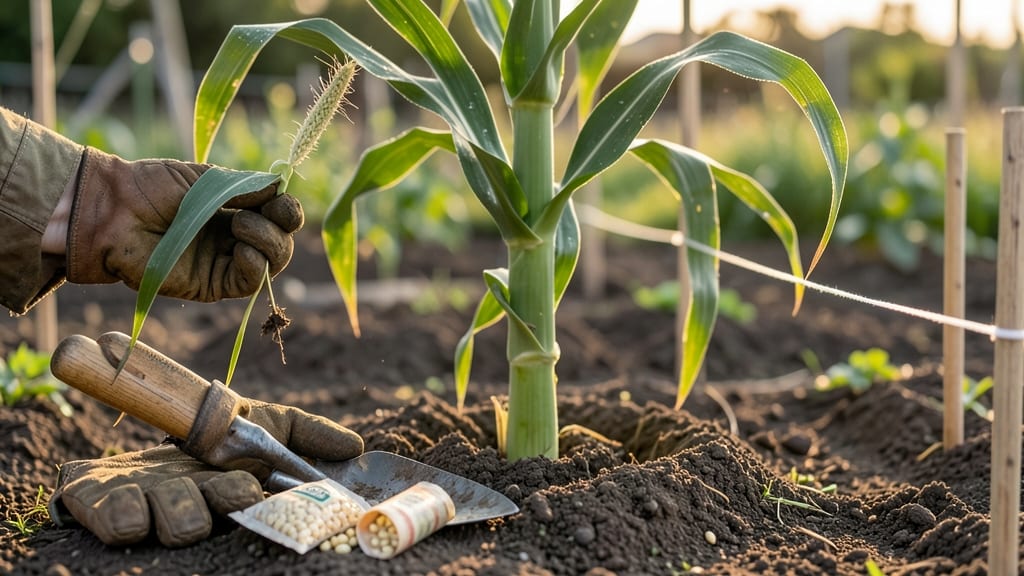
Planting corn in Missouri isn't just about dropping seeds in the dirt—it's about catching that narrow window between frost and scorching summer heat where your 🌽 crop thrives. Get it wrong, and you're either staring at frozen seedlings or watching your plants bolt before they produce.
Missouri's USDA zones 5b-6b mean the sweet spot shifts from mid-April in southern counties to early June in northern areas, where frost lingers longer.
This isn't one-size-fits-all advice either. St. Louis gardeners might start in late March, while farmers near Kansas City wait until after April 15, and those in the bootheel need to plant by early May to avoid summer's worst heat.
The key? Soil temperature—wait until it hits 60°F at least two inches deep, because cold soil stalls germination. Miss that mark, and you're playing a risky game of catch-up with Mother Nature.
But here's the good news: Missouri's growing season gives you flexibility if you plan right. We'll break down exactly when to plant by county, how to adjust for late springs, and which corn varieties handle Missouri's unpredictable weather best.
Whether you're growing sweet corn for the table or field corn for livestock, timing makes all the difference between a bumper crop and a bust.
Ready to turn your corn patch from guesswork to gold? Let's dive into the frost-free timeline that'll have your plants reaching for the sky—just in time for harvest before the first frost of October rolls around.
Missouri corn planting dates by county: frost-free zones and safe windows
Missouri’s diverse microclimates mean your neighbor’s perfect planting date might not work for you. Northern counties like St. Louis and Kansas City have later frost risks, while southern regions like Springfield can plant earlier.
Understanding your USDA Zone (5b-6b) and average last frost date is key to maximizing corn yields.
For sweet corn, timing matters most—plant too early, and frost-killed seedlings waste your effort; too late, and ear development suffers in Missouri’s short 90–120-day growing season. Below, I’ve broken down optimal planting windows by region, including adjustments for field corn and hybrid varieties.
🌽 PRO TIP: Always check your local agricultural extension office for real-time frost alerts, as Missouri’s weather can shift dramatically from year to year.
| Region | Avg. Last Frost Date | Safe Planting Window | Soil Temp. Requirement | Notes |
|---|---|---|---|---|
| Northern MO (St. Louis, Columbia) | April 20–May 1 | May 1–May 15 | 60°F+ | Wait 2 weeks after last frost; use row covers for early starts. |
| Central MO (Kansas City, Jefferson City) | April 10–April 25 | April 25–May 10 | 55°F+ | Ideal for early varieties like 'Ambrosia'; monitor for late frosts. |
| Southern MO (Springfield, Poplar Bluff) | March 20–April 5 | April 1–April 15 | 50°F+ | Earliest planting zone; drought-tolerant varieties recommended. |
| Western MO (Joplin, Sedalia) | April 5–April 20 | April 15–April 30 | 58°F+ | Watch for wind damage; plant windbreaks if needed. |
Missouri’s USDA Zones 5b-6b create microclimate variations, so even neighboring counties may differ by 1–2 weeks. For example, St. Louis (Zone 6a) typically waits until May 1, while Springfield (Zone 7a) can start as early as April 1.
Use a soil thermometer to confirm 60°F+ soil temps before planting—cold soil delays germination.
If you’re growing field corn for livestock or hybrid varieties, extend your planting window to early June for a second crop. However, sweet corn planted after May 15 risks smaller ears due to Missouri’s short harvest window before first frost (mid-October).
🌱 KEY TAKEAWAY: Plant sweet corn in two staggered batches (e.g., May 1 and May 15) to ensure a continuous harvest over 4–6 weeks. This works especially well in St. Louis and Kansas City, where late frosts are common.
For urban gardeners in cities like St. Louis or Kansas City, consider container-grown corn (e.g., 'Little and Lovely'), which tolerates smaller spaces and can be planted 1–2 weeks later than in-ground varieties. Just ensure containers are at least 12 inches deep and use high-quality potting mix.
Missouri’s western counties, like Joplin, often face drought conditions in late summer. To combat this, choose drought-tolerant varieties like 'Peaches and Cream' or 'Silver Queen', and mulch heavily to retain moisture. Irrigate deeply in the morning to avoid fungal diseases like gray leaf spot.
Finally, always account for seed viability. Store seeds in a
How to adjust corn planting for Missouri’s unpredictable weather patterns
Missouri’s weather can be as unpredictable as a whirlwind—one day it’s 60°F and sunny, the next it’s 30°F with frost. To protect your corn crop, I’ve learned to adjust planting based on soil temperature, frost risks, and even heatwave forecasts.
The key is flexibility: if Mother Nature throws a curveball, you need a backup plan.
Start by checking soil temperatures with a thermometer—corn seeds won’t sprout reliably below 50°F, but roots struggle to establish below 60°F. In northern Missouri, wait until late April or early May, while southern counties like Cape Girardeau can plant as early as mid-April.
Always plant 2 weeks after the last frost date to avoid seedling loss.
Here’s my risk-assessment strategy for Missouri gardeners: if a late spring frost is forecasted after planting, cover seedlings with row fabric or old blankets until temperatures stabilize. For early summer heatwaves, opt for shorter-maturity varieties (like 'Ambrosia') to avoid drought stress during tasseling.
⚠️ Watch for Flash Frosts
Missouri’s valley regions (like the Mississippi River bottoms) can experience flash frosts even in May. If planting early, use black plastic mulch to warm soil faster and protect young plants. In western Missouri, drought is the bigger threat—plant deeper (2-3 inches) to access moisture.
For backup planting dates, I recommend having a second batch of seeds ready for early June if spring planting fails. Choose succession varieties like 'Peaches and Cream' (70-day maturity) to stagger harvests.
If you’re in USDA Zone 5b (northern MO), prioritize early-maturing hybrids to avoid early fall frosts cutting the season short.
Another pro tip: Plant in blocks, not rows. This creates a microclimate that warms faster and retains moisture better. In humid years (like St. Louis), space plants 12 inches apart to improve airflow and reduce fungal diseases.
For drought-prone areas (e.g., Boone County), increase spacing to 18 inches and mulch heavily with straw.
Finally, monitor weather forecasts like a hawk. The National Weather Service’s Missouri climate maps (available online) show heatwave risks and frost probabilities. If a heatwave hits during pollination, water deeply at the base of plants to prevent kernel abortion.
With these adjustments, even Missouri’s wildest weather won’t ruin your corn harvest. 🌽