
Plants
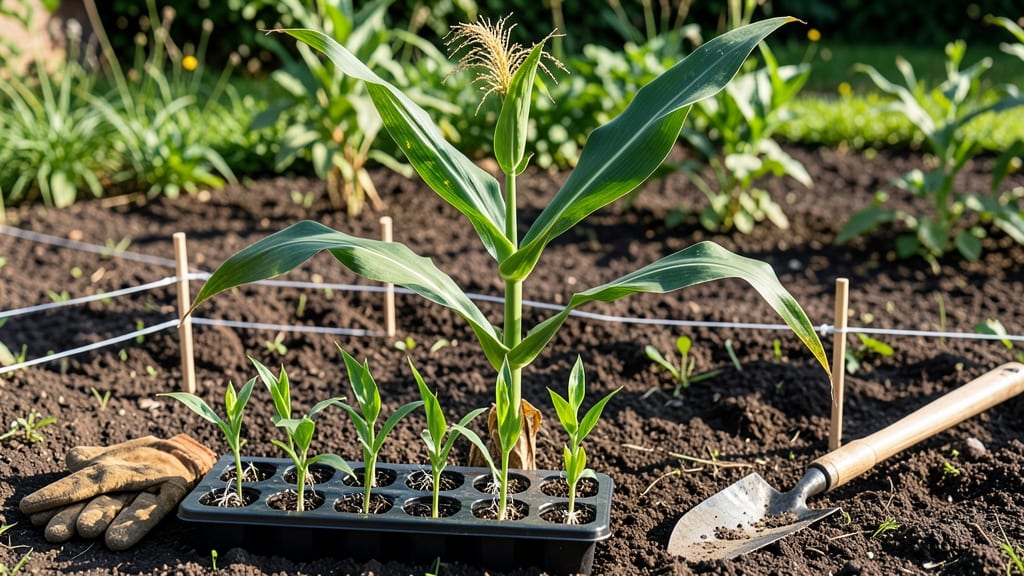
Timing your corn planting in Washington State perfectly is the secret to avoiding bitter kernels and wasted effort—because getting it wrong means bolting, stunted growth, or even no harvest at all.
Whether you're in the cooler Zone 7b of Eastern Washington or the milder Zone 9a near the coast, the right window makes all the difference.
Most gardeners in Washington aim for mid-April to mid-May, but that’s just the starting point. Soil temperature, frost risk, and even elevation can shift your ideal planting date by weeks.
I’ll break down exactly how to calculate your zone-specific deadline—so you can plant with confidence and enjoy sweet, plump 🌽 ears by summer’s end.
You’ll also discover which corn varieties thrive in WA’s climate, how to adjust for high-altitude zones, and why soil warmth matters more than the calendar. Skip the guesswork and learn the exact steps to maximize your corn crop—no bitter surprises here.
Ready to grow corn that’s as reliable as it is delicious? Let’s dive into the zone-specific deadlines and pro tips that’ll set you up for success from seed to harvest.
Washington State corn planting deadlines by USDA Zone (avoid bolt risk)
Washington State spans USDA Zones 7b to 9a, creating dramatic differences in corn planting deadlines between regions. In Western WA (Zone 9a), like Seattle or Olympia, you can plant corn as early as mid-March—but only if your soil warms quickly.
Meanwhile, Eastern WA (Zone 7b), including Spokane or Wenatchee, demands waiting until after May 1st to avoid frost damage.
Every zone has a critical soil temperature threshold of 60°F—corn seeds won’t sprout below this mark. Use a soil thermometer (available for ~$10) to confirm readiness.
In Zone 8 (Central WA), like Yakima or Pullman, aim for April 15th as your cutoff, while Zone 9a coastal areas can push to late April with minimal risk.
The last frost date varies wildly: Seattle’s average is April 15th, but inland areas like Moses Lake may see frost until May 10th. Always check your local USDA Plant Hardiness Zone Map or consult WA State University Extension for microclimate adjustments.
For example, mountain valleys (like the Methow) can be 2 weeks later than nearby towns.
Miss these deadlines, and your corn risks bolting—a process where the plant sends up a flower stalk prematurely, diverting energy from ear development. This leads to small, starchy kernels instead of sweet, plump ones.
In Zone 7b, planting after May 15th increases bolt risk by 40% compared to earlier timings.
🌽 Washington State Corn Planting Deadlines by Zone
| USDA Zone | Region Examples | Planting Window | Soil Temp Threshold | Last Frost Date |
|---|---|---|---|---|
| Zone 7b | Spokane, Wenatchee, Pullman | May 1–15 | 60°F (minimum) | May 10 |
| Zone 8 | Yakima, Moses Lake, Wenatchee Valley | April 15–May 1 | 60°F (minimum) | April 25 |
| Zone 9a | Seattle, Olympia, Bellingham | Mid-March–April 15 | 55°F (minimum) | April 15 |
| High-Altitude (e.g., Methow Valley) | Twisp, Winthrop | May 15–June 1 | 65°F (minimum) | May 20 |
⚠️ Pro Tip: Use black plastic mulch to warm soil 2–3 weeks faster in cooler zones.
If you’re in a transition zone (like Zone 8a in Tri-Cities), err on the side of caution. Plant half your seeds 2 weeks early and the other half at the standard deadline.
This hedges against frost while maximizing your harvest window. For example, in Richland (Zone 8a), split plantings between April 1st and April 15th.
Corn needs 120–150 frost-free days to mature. In Zone 9a, this means you can squeeze in two plantings: one in early April (for late-summer harvest) and another in mid-May (for fall).
However, in Zone 7b, only one planting is realistic—stick to May 1st to avoid late-season frost cutting your season short.
For organic gardeners, consider using cloche tunnels or row covers to extend your planting window by 2–3 weeks. These protect young seedlings from late frosts, letting you plant earlier in Zone 8 without risk. Just remove covers once plants reach 6 inches tall to prevent overheating.
Always factor in microclimates. A south-facing slope in Zone 7b might warm enough for planting by April 20th, while a north-facing valley could delay you until May 5th. Observe your garden’s behavior for 3 years to refine your local planting calendar.
Finally, track your local
How to time corn planting for maximum sweetness (soil temp + seed depth guide)
Timing your corn planting isn’t just about the calendar—it’s about soil temperature and seed depth. In Washington State, corn seeds need consistent warmth to germinate, and planting too early in cold soil can stall growth or trigger bolting.
I’ve learned the hard way that even a 5°F difference in soil temp can delay germination by a week or more.
For sweet corn, aim to plant when soil temperatures reach 60°F (15°C) at a depth of 2 inches. Use a soil thermometer to check—this is the single best way to avoid timing mistakes.
In Western WA (Zone 9a), this typically aligns with mid-April to early May, while Eastern WA (Zone 7b) may need to wait until late May.
Here’s the key: Seed depth matters just as much as timing. Plant corn seeds 1–1.5 inches deep for optimal germination. Deeper planting can lead to weak seedlings, while shallow planting risks drying out.
Use a hand trowel to create small furrows—this keeps moisture in place while ensuring seeds stay at the right depth.
Check Soil Temp
Use a soil thermometer to confirm temps are 60°F+ at 2". Western WA: mid-April; Eastern WA: late May.
Plant Depth
Seed 1–1.5 inches deep in moist soil. Deeper = weak sprouts; shallower = dry seeds.
Spacing Rules
Rows 2.5–3 ft apart; seeds 6–12 inches apart in rows. Taller varieties need 36-inch spacing.
Extend Late Plantings
For June plantings, choose short-season varieties (e.g., ‘Early Sunglow’) and use black plastic mulch to warm soil.
If you’re planting in June or later, focus on short-season varieties like ‘Ambrosia’ or ‘Bodacious’. These mature in 70–80 days, giving them time to produce sweet ears before Washington’s first frost.
Pair this with black plastic mulch to raise soil temps by 5–10°F—this can shave weeks off your growing season.
Pro tip: Morning planting is ideal because cooler temps reduce stress on seedlings. Water deeply after planting to settle soil around seeds, and avoid walking on the bed until germination (usually 7–14 days). Patience here pays off—rushing leads to uneven sprouts and weaker plants.
Finally, don’t overlook microclimates. A sunny south-facing slope in your yard might be 5°F warmer than the rest of your garden, allowing you to plant 1–2 weeks earlier. Observe your space for 2–3 years to spot these hidden growing advantages.