
Plants
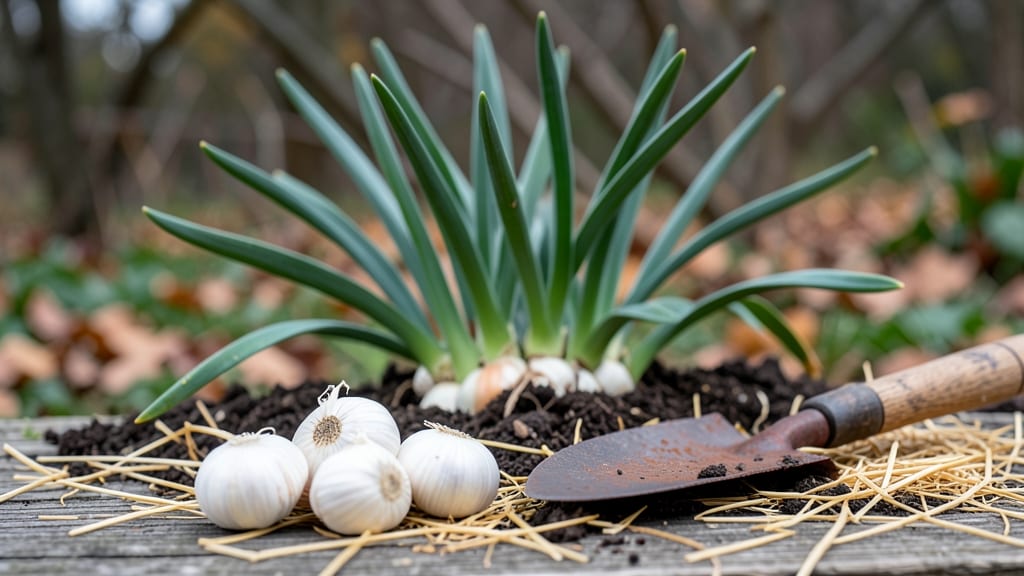
Timing your garlic planting in Colorado can mean the difference between a thriving crop and wasted effort. The key to success lies in understanding when to plant—whether you're a seasoned gardener or just starting your 🧄 journey in zones 5-7.
Planting too early or late can lead to bolting, where the plant flowers prematurely, ruining your harvest.
For Colorado gardeners, the ideal window is between October and November, giving the bulbs time to establish roots before winter sets in. This timing ensures strong root growth and minimizes the risk of bolting come summer.
But what if you miss that window? Don’t worry—early spring planting in March can still yield great results, though it requires careful attention to soil conditions.
Why does timing matter so much? Garlic needs 120-160 frost-free days to mature properly, and Colorado’s climate can be unpredictable. By planting at the right time, you’re setting your garlic up for success, whether you’re growing it for flavorful meals or to sell at local markets.
Let’s break down the best strategies to get your garlic off to the perfect start.
In this guide, you’ll learn how to align your planting schedule with Colorado’s frost dates, choose the right varieties for your elevation, and avoid common pitfalls.
Whether you’re in Denver, the Western Slope, or the mountains, these tips will help you grow garlic that’s robust, flavorful, and ready for harvest next July or August.
Best fall planting dates for garlic in Colorado’s climate zones
Colorado’s diverse USDA hardiness zones 4-8 create unique challenges for garlic growers. Unlike warmer climates, fall planting is critical—it lets garlic establish roots before winter dormancy, ensuring bolting-free bulbs by next summer.
The Front Range (Denver, Boulder) and Western Slope (Grand Junction, Aspen) have different frost windows, so timing matters.
For most of Colorado, October and November are the sweet spots. Plant 4-6 weeks before the first hard frost—typically mid-October in Denver and late September in Grand Junction.
This window gives roots time to anchor before the ground freezes. In higher elevations (e.g., Aspen, 8,000+ ft), aim for early September to avoid early freezes.
Here’s how to align your planting with Colorado’s microclimates. The Front Range (zones 5-7) usually plants in late October, while the Western Slope (zones 6-8) can wait until early November. Always check your local last frost date—Colorado’s unpredictable weather can shift this by weeks.
🌱
| Region | USDA Zone | Ideal Planting Window | Soil Temp Goal | Notes |
|---|---|---|---|---|
| Front Range (Denver, Boulder) | 5-7 | Late October | 40-50°F | Plant by October 20 for best results. |
| Western Slope (Grand Junction, Durango) | 6-8 | Early November | 45-55°F | Warmer soil allows later planting. |
| High Elevation (Aspen, Leadville) | 4-6 | Early September | 35-45°F | Early frost risk—plant 6-8 weeks early. |
| Pikes Peak Region (Colorado Springs) | 6 | Mid-October | 40-50°F | Balanced climate—follow Front Range timing. |
If you miss the fall window, early spring planting (March) is a backup—but yields may be smaller. Spring-planted garlic often bolts prematurely due to Colorado’s long daylight hours in summer. For best results, stick to fall planting and use hardneck varieties, which handle Colorado’s winters better.
Pro tip: Use a soil thermometer to confirm temps are below 40°F before winter. Garlic roots won’t grow in freezing soil, so timing is everything. In zone 4 areas (e.g., northern Colorado), consider mulching heavily (straw or leaves) to protect cloves.
For urban gardeners in Denver or Fort Collins, container planting extends your window slightly. Just ensure pots have drainage holes and use well-draining soil to prevent rot. Containers warm up faster in spring, so adjust your spring planting date to late March instead of early.
🌿
Colorado’s dry climate also affects garlic growth. After planting, water deeply once to settle soil around cloves, then reduce watering until spring. Overwatering in fall can lead to rot or bolting.
In drought-prone areas (e.g., Western Slope), drip irrigation is ideal—it delivers moisture directly to roots without wetting leaves.
Finally, save your best bulbs for planting. Store them in a cool, dark place (like a mesh bag in the fridge) from harvest until fall. Planting store-bought garlic often yields smaller bulbs because commercial varieties prioritize shelf life over hardiness.
For Colorado’s climate, local or heirloom varieties (like German Red or Chesnok Red) perform best.
✂️
Best fall planting dates for garlic in Colorado’s climate zones
Colorado’s diverse climate means your garlic planting dates depend heavily on your specific USDA zone (5-7) and elevation.
Most gardeners in the Front Range (Denver, Boulder) aim for mid-October to early November, while higher elevations like Aspen or Steamboat may need to plant as early as late September to avoid early freezes.
The goal is to plant 4-6 weeks before the ground freezes, allowing roots to establish before winter dormancy. In Colorado, this typically aligns with soil temperatures dropping below 40°F, signaling it’s time to tuck your garlic in for the season.
Missing this window risks shallow root growth or bolting.
Here’s how to align your planting with Colorado’s frost patterns:
| Region | USDA Zone | Ideal Planting Window | Key Consideration |
|---|---|---|---|
| Front Range (Denver, Boulder) | Zone 5-6 | Mid-October to early November | Avoid late freezes; aim for 60°F soil temps |
| Western Slope (Grand Junction, Durango) | Zone 6-7 | Late October to mid-November | Warmer microclimates allow later planting |
| Mountain Regions (Aspen, Steamboat) | Zone 4-5 | Late September to early October | Early frost risk; plant sooner for root establishment |
For gardeners in Zone 7 (southern Colorado), you can push planting to early December, but prioritize soil temps above 50°F to prevent rot. Always check local frost forecasts—Colorado’s weather shifts quickly, and a sudden cold snap can derail your garlic’s early growth.
Pro tip: Use a soil thermometer to confirm temps are 50-60°F at planting depth (4-6 inches). Cooler soils slow root growth, while warmer soils can encourage bolting. Balance is key!
If you’re unsure about your local frost dates, consult the Colorado Climate Center or your Cooperative Extension office. They provide hyper-local data that can save your garlic crop from a late-season surprise.
Timing isn’t just about the calendar—it’s about reading your microclimate. A south-facing slope warms faster than a north-facing garden bed, so adjust accordingly. With the right timing, your garlic will reward you with plump bulbs ready for harvest next July or August.