
Plants
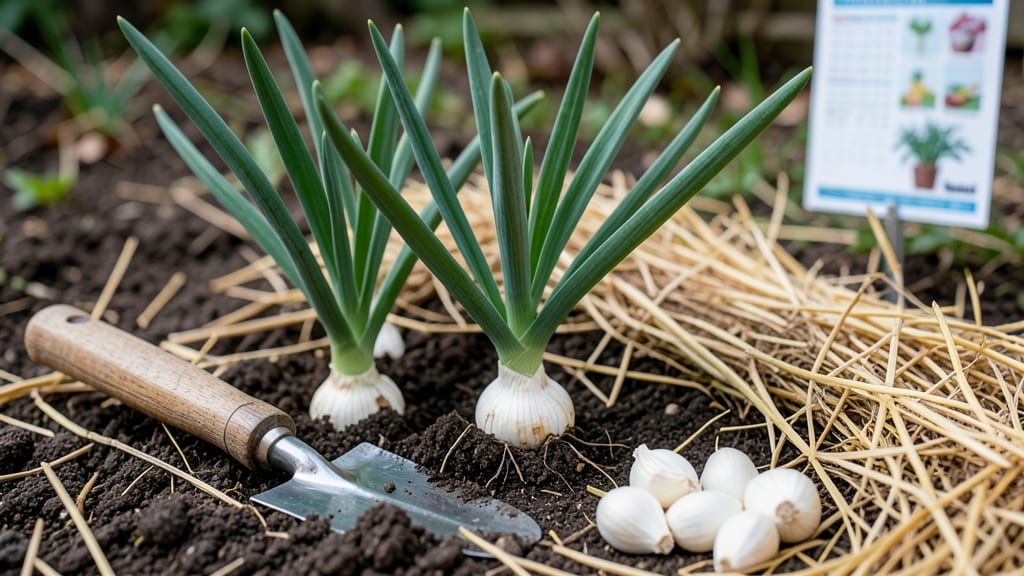
If you’ve ever wondered when to plant garlic in Georgia for a bumper crop, the answer isn’t just about the calendar—it’s about reading your soil and climate like a pro.
Georgia’s 7b-8b zones offer a narrow window between October and November where timing can make or break your harvest, turning floppy cloves into plump, flavorful bulbs.
Here’s the secret: Plant too early, and your 🧄 garlic might bolt before winter sets in. Too late, and frost could stunt growth before spring. The key lies in the 4-6 weeks before your first hard freeze—usually mid-November in most of Georgia.
But don’t stress if your microclimate runs warmer or colder; we’ll show you how to adjust for those pesky regional differences.
You’ll also discover why cloves (not seeds) are the gold standard for Georgia growers, how to prep your soil for maximum bulb development, and when to mulch to protect your crop from Georgia’s unpredictable freezes.
Whether you’re a first-time gardener or a seasoned pro, these climate-smart tips will help you avoid bolting and grow garlic that rivals the best at your local farmers’ market.
Ready to turn your garden into a zero-bolt garlic success story? Let’s dive into the exact steps to plant, protect, and harvest garlic that’ll make your neighbors green with envy—literally.
Best planting months for Georgia garlic: avoid bolting with climate-smart timing
Georgia’s mild winters and long growing season create perfect conditions for growing garlic, but timing your planting is critical. The ideal window is October through November, when soil temperatures drop below 70°F but before the first hard frost hits.
This timing ensures strong bulb development without triggering early bolting—a common issue in Georgia’s heat.
Garlic planted too early in September risks bolting (premature flowering), while planting after December exposes cloves to frost damage. Georgia’s USDA zones 7a–8b mean your exact timing depends on your region—North Georgia’s cooler microclimates may need earlier planting than South Georgia’s warmer zones.
Pro Tip: Use your average first frost date as your deadline. In most of Georgia, this falls between mid-November and early December. Aim to plant 4–6 weeks before frost for optimal results.
For North Georgia (zones 7a–7b), prioritize planting in late October to avoid early freezes. In South Georgia (zones 8a–8b), you can extend planting into early December thanks to milder winters.
Always check your local Cooperative Extension Service for precise frost dates—these can vary by 1–2 weeks year to year.
Regional Adjustments: If you’re in mountainous areas (e.g., Blue Ridge), plant 2 weeks earlier than coastal regions. Conversely, Atlanta’s urban heat island may require shade cloth in September to prevent bolting.
Garlic planted in fall benefits from Georgia’s cool winters, which encourage bulb swelling. By March, your cloves will have established roots, and by spring, they’ll be ready to focus on bulb growth. This 10–12 month cycle is why fall planting is non-negotiable for Georgia gardeners.
One common mistake is assuming "earlier is better." While September planting might seem safe, soil temps above 75°F trigger bolting. Use a soil thermometer to confirm temps are below 70°F before planting—this is your green light for success.
For maximum bulb size, aim to harvest by late May–June. This gives your garlic enough time to mature before Georgia’s summer heat stresses the plants. Early harvests (before April) yield smaller bulbs, while late harvests risk split bulbs or mold.
Remember: Garlic is a cool-season crop, and Georgia’s climate is its greatest ally. With the right timing, you’ll avoid the two biggest pitfalls—bolting and frost damage—while producing plump, flavorful bulbs year after year.
Best planting months for Georgia garlic: avoid bolting with climate-smart timing
Georgia’s 7b-8b hardiness zones create a unique challenge for garlic growers: the 4-6 week window between warm fall soil and first frost. Unlike northern states, you can’t plant garlic in spring here—it needs cold vernalization to form bulbs. That means your October-November planting window is non-negotiable for zero-bolt success.
The magic happens when soil temps drop to 60°F but stay above freezing. In North Georgia (Athens, Blue Ridge), aim for mid-October planting. South Georgia (Savannah, Valdosta) can wait until late October-early November thanks to milder winters. Planting too early risks premature bolting from residual summer heat.
📅 Georgia Garlic Planting Timeline Comparison
| Region | Ideal Planting Window | Soil Temp Goal | Risk if Planted Late |
|---|---|---|---|
| North Georgia (7a-7b) | Mid-October to early November | 60-65°F | Frost damage before root establishment |
| Central Georgia (7b) | Late October to mid-November | 58-62°F | Bolting from warm spells |
| South Georgia (8a-8b) | Early November to early December | 55-60°F | Poor bulb development |
💡 Pro Tip: Use a soil thermometer to confirm temps before planting. Aim for 60°F at 4" depth.
For hardneck varieties (like 'German White' or 'Music'), plant by mid-November at the latest—they need winter chill to produce scapes. Softneck varieties ('Silverskin', 'Creole') are more forgiving and can handle December planting in South Georgia, though yields may shrink.
Watch for unpredictable warm spells in December—these can trick garlic into bolting. If temps rise above 70°F after planting, cover beds with frost cloth until soil cools. This simple trick has saved my Georgia garlic from bolting in three consecutive winters.
Remember: Georgia’s 210 frost-free days mean your garlic will grow aggressively in spring. Planting at the right time ensures you’re not fighting overcrowded bulbs or premature flowering. The goal is 6-8 weeks of cool weather before active growth resumes in March.
Once planted, mulch heavily with straw (4-6 inches) to insulate roots from Georgia’s freeze-thaw cycles. This protects your crop while letting it vernalize properly—critical for bulb formation. 🌱