
Plants
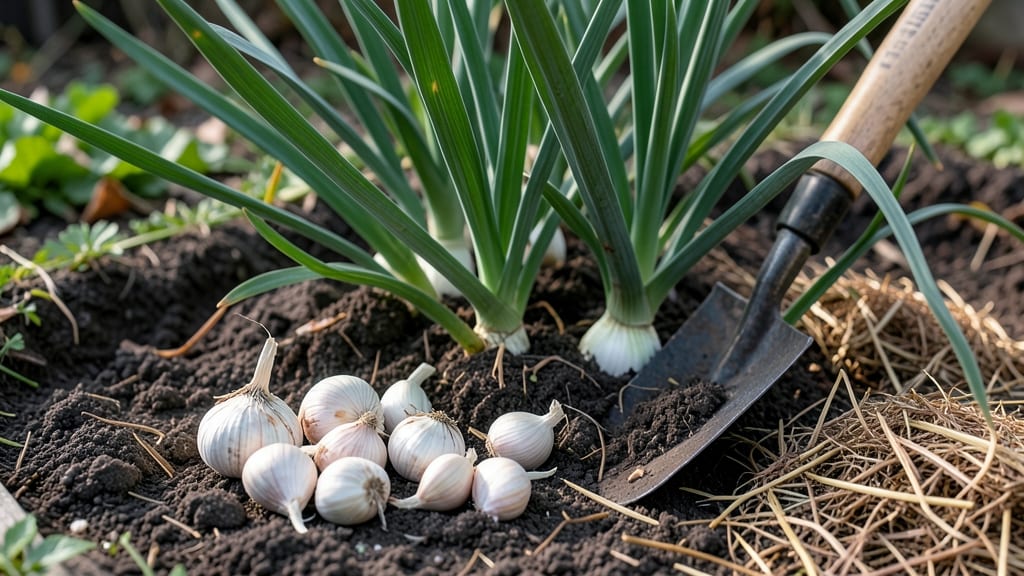
Planting garlic in Minnesota isn’t just about timing—it’s about turning your garden’s cold into a competitive advantage. The key to growing hardneck varieties like Music or German White lies in a 6-week window between October and November, when soil temperatures drop to 40–50°F.
Skip this, and you risk bolting or weak bulbs instead of the bold, flavorful harvest you’re after.
For Minnesota gardeners in USDA Zone 4, this means acting fast—before the ground freezes solid. The earlier you plant, the better the bulbs develop over winter, thanks to the garlic’s natural cold-hardiness.
But don’t wait too late: cloves planted after November 15 may struggle to establish roots before frost sets in.
I’ve learned the hard way that soil prep and mulch are just as critical as the calendar. Loose, well-draining soil paired with a thick layer of straw can mean the difference between a thriving crop and a frozen mess.
Let me walk you through the exact steps to maximize your garlic’s potential in Minnesota’s unpredictable climate.
Ready to grow garlic that rivals the best from California? The secret starts now—with the right timing, soil, and a little patience. Let’s get those cloves in the ground before winter takes over.
Best planting window for garlic in Minnesota’s USDA Zone 4
Minnesota’s USDA Zone 4 climate demands precision when planting hardneck garlic. The ideal window is a tight 6-week span between October 1 and November 15, ensuring cloves establish roots before winter dormancy. This timing prevents bolting (flowering) and guarantees robust bulbs by summer.
Your goal is to plant when soil temperatures drop to 40–50°F. Use a soil thermometer to confirm—cooler temps signal it’s time. In Minnesota, this typically aligns with the first hard frost, which usually hits by October 15 in most regions.
Planting too early risks rot, while late planting may leave cloves vulnerable to winter heaving.
Hardneck garlic thrives in cold, so overwintering is key. The plant needs 40–60 days of below-freezing temperatures to develop properly. Minnesota’s winters deliver this reliably, but timing ensures cloves don’t sprout prematurely in spring, which weakens bulb formation.
If you miss the fall window, spring planting is possible but yields are smaller. Plant cloves in early April for a summer harvest, though bulbs won’t store as long. For best results, stick to fall—it’s the gold standard for Minnesota gardeners.
Here’s a quick reference for your planting timeline:
| Stage | Action | Minnesota Timing |
|---|---|---|
| Soil Prep | Loosen soil, add compost | September–early October |
| Planting | Break bulbs, plant cloves 4" deep | October 1–November 15 |
| Overwintering | Mulch heavily (6" straw) | After planting |
| Spring Growth | Remove mulch, fertilize lightly | April–May |
| Harvest | Lower leaves brown, bulbs firm | July–August |
Pro tip: Use a garden thermometer to track soil temps. Aim for 40–50°F at planting depth (2–3 inches). If temps drop below 32°F before roots establish, cloves may heave out of the ground—disastrous for winter survival.
Minnesota’s first hard frost (usually October 15) is your deadline. Planting after this risks cloves rotting before winter. For extra protection, choose larger cloves (they store more energy) and plant them 2 inches deeper than smaller ones.
Hardneck garlic’s scape removal in spring (when curly stems appear) boosts bulb size. In Minnesota, this happens in May or June, depending on variety. Don’t skip this step—it redirects energy to bulb growth instead of flowering.
Finally, harvest timing matters just as much as planting. Wait until lower leaves brown but upper leaves stay green. This usually occurs in July or August, when bulbs feel firm when squeezed. Harvest too early, and you’ll get small, weak bulbs.
With the right timing, Minnesota’s cold winters become your garlic’s secret weapon—producing bold, flavorful bulbs that store well until next summer. 🧄
Best planting window for garlic in Minnesota’s USDA Zone 4
Minnesota’s USDA Zone 4 climate demands precision when planting garlic. The ideal window spans 6 weeks, from October 1 to November 15, when soil temperatures drop to 40–50°F. This timing ensures cloves establish roots before winter dormancy, preventing bolting or weak bulb formation.
Planting too early (September) risks bolting, while waiting past November 15 may leave cloves vulnerable to frost before rooting.
Hardneck garlic thrives in cold, so the earlier you plant, the larger your bulbs will grow. The plant uses winter’s chill to develop its bulb, making Minnesota’s harsh winters a natural advantage.
Aim to plant 4–6 weeks before the ground freezes solid, typically around mid-October in most of the state.
Here’s how to align your planting with Minnesota’s frost patterns:
| Stage | Action | Minnesota Timing |
|---|---|---|
| Soil Prep | Loosen soil, add compost | September–early October |
| Planting | Cloves 2" deep, 6" apart | October 1–November 15 |
| Mulching | Apply 4–6" straw | After planting |
| Overwintering | Insulate with mulch | November–March |
| Spring Growth | Remove mulch, fertilize lightly | April–May |
If you miss the fall window, spring planting is possible but risky. Cloves planted in April or May may bolt prematurely due to Minnesota’s short growing season. For best results, stick to the fall schedule and use hardneck varieties, which are bred to handle Zone 4’s cold winters.
Pro tip: Use a soil thermometer to confirm temperatures are between 40–50°F before planting. This ensures cloves won’t rot in warm soil or freeze in cold ground. Mulching with straw or leaves after planting adds an extra layer of protection against temperature swings.
Timing isn’t just about the calendar—it’s about soil conditions and variety selection. Next, we’ll tackle how to adjust for Minnesota’s unpredictable weather and choose the best garlic for your garden. 🌱