
Plants
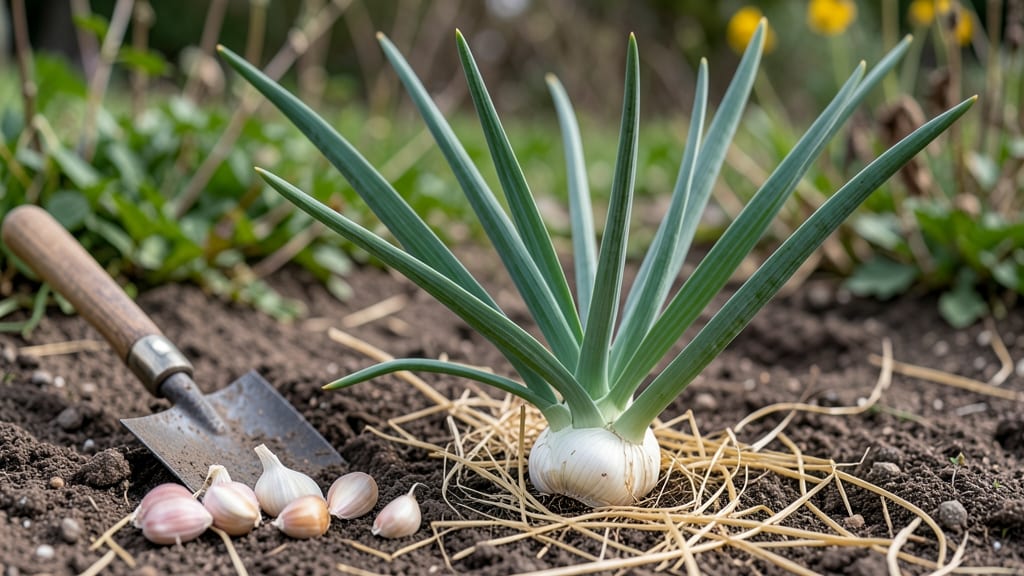
Planting garlic in the fall at the perfect time can mean the difference between a thriving harvest and wasted effort. The 6-8 week window before your first frost is your sweet spot for hardneck varieties, especially in zones like 6a where cold winters are key to bulb formation.
If you miss this timing, you might end up with weak growth or no harvest at all.
I’ve learned the hard way that rushing or delaying planting can lead to disappointment—whether it’s from premature sprouting or frozen soil. But don’t worry, even if you’re new to growing 🧄, this guide will help you nail the timing, soil prep, and spacing for a bumper crop.
Let’s break down exactly what you need to do to set your garlic up for success.
Why does fall planting work so well? The cold helps hardneck garlic develop those prized bulbs, but you’ve got to get the cloves in the ground before the soil freezes.
We’ll cover how to adjust for your local climate, spot common mistakes, and even salvage a late start. Ready to grow garlic like a pro?
From choosing the right variety to planting depth and spacing, I’ll walk you through every step so you can confidently plant your garlic this fall. Whether you’re in a mild or harsh winter zone, these tips will help you avoid the most common pitfalls and maximize your harvest next summer.
The perfect fall planting window for garlic: 6-8 weeks before first frost explained
Fall-planted garlic needs 6-8 weeks before the first hard frost to establish roots and form bulbs properly. This window ensures hardneck varieties—like Music or German White—develop their signature hardneck stems and flavorful cloves during winter dormancy.
Think of it like a race against time: Your garlic must sprout, root, and begin bulb formation before the ground freezes solid. In most U.S. regions, this translates to planting between mid-October and early November, but timing shifts based on your USDA zone and local frost patterns.
For example, in Zone 5, where first frost often hits by October 20, aim to plant by September 20. Meanwhile, in Zone 8, with later frosts (around December 1), you can plant as late as mid-November.
The key is soil temperature, not air temperature—garlic cloves need soil at 40-50°F to germinate.
🌱
| Key Factor | Ideal Condition | Why It Matters |
|---|---|---|
| Planting Window | 6-8 weeks before first frost | Allows root establishment before dormancy |
| Soil Temperature | 40-50°F (4-10°C) | Prevents premature sprouting or freezing |
| Clove Orientation | Pointy end up, 2" deep | Ensures straight, healthy growth |
| Spacing | 4-6" apart in rows | Reduces disease risk and improves airflow |
| Mulch Depth | 2-3" of straw | Insulates roots through winter |
Here’s how to calculate your perfect planting date: Check your local average first frost date (use the USDA Plant Hardiness Zone Map), then count backward 6-8 weeks.
For instance, if frost hits November 10, plant between September 15 and October 1. Pro tip: Use a soil thermometer to confirm temperatures—cold soil can delay germination.
One common mistake? Planting too early. If you sow garlic in late August or September, it may sprout and send up green shoots before winter, only to die back when frost hits.
These early sprouts waste energy and leave your bulbs smaller. The goal is for garlic to stay dormant until spring, when it resumes growth for bulb formation.
Conversely, planting too late—after November 15 in most zones—risks cloves failing to root before the ground freezes. Unrooted cloves won’t survive winter, leading to rot or complete crop loss. If you miss the window, consider overwintering in containers or delaying until early spring (though bulbs will be smaller).
For softneck varieties (like Silverskin), which don’t require cold for bulb formation, you can plant slightly later—even into December in mild climates. But hardnecks need the cold to develop their signature hardneck stems and robust flavor, so stick to the 6-8 week rule.
Once planted, mulch heavily with straw or leaves to insulate roots. This protects against freeze-thaw cycles and keeps soil temperatures stable. In Zone 3 or 4, add an extra layer of mulch or use row covers for added protection.
🌿
The perfect fall planting window for garlic: 6-8 weeks before first frost explained
The ideal time to plant garlic in fall is 6-8 weeks before your first frost date. This window ensures hardneck varieties get enough cold exposure to form bulbs properly. For USDA Zone 6a (like much of the Midwest), that typically means planting between mid-October and early November.
If you’re in a warmer zone, like Zone 8, you might push it to early December.
Why this timing? Garlic needs 40-60 days of cold temperatures (40°F or below) to trigger bulb development. Plant too early, and cloves may sprout before winter sets in. Too late, and the soil freezes before roots establish.
I’ve found that checking your local average first frost date (via the USDA Plant Hardiness Zone Map) is the easiest way to calculate your perfect window.
Here’s how to adjust for your region: In colder zones (like Zone 3), aim for late September to give plants time to root before harsh winters. In milder zones (like Zone 9), you can plant as late as December, but avoid frozen soil.
Always test soil moisture—damp but not soggy is ideal for planting.
| Region | USDA Zone | Planting Window | Key Tip |
|---|---|---|---|
| Cold Climates | 3-5 | Late September - Early October | Prioritize soil drainage |
| Midwest/Northeast | 6-7 | Mid-October - Early November | Use mulch for insulation |
| Southwest | 8-9 | Early December | Avoid waterlogged soil |
Pro tip: Use a soil thermometer to confirm ground temps are above 40°F but cooling. If temps drop below freezing before roots establish (3-4 weeks), your garlic may fail to thrive.
I once planted in early November in Zone 6a, only to see cloves rot when a sudden freeze hit—always double-check your local forecast!
For hardneck varieties (like ‘German White’ or ‘Music’), cold is essential for bulb formation. Softneck garlic (‘Silverskin’) can tolerate later planting but won’t develop scapes. If you’re unsure of your variety’s needs, check the seed packet—hardnecks need cold, softnecks are more flexible.
Once you’ve nailed the timing, focus on soil prep: Loosen soil to 12 inches deep, mix in compost, and ensure good drainage. Garlic hates soggy roots! After planting, add 2-3 inches of mulch (straw or leaves work great) to protect cloves from extreme temps.
With the right timing and care, you’ll harvest plump bulbs next July or August.