
Plants
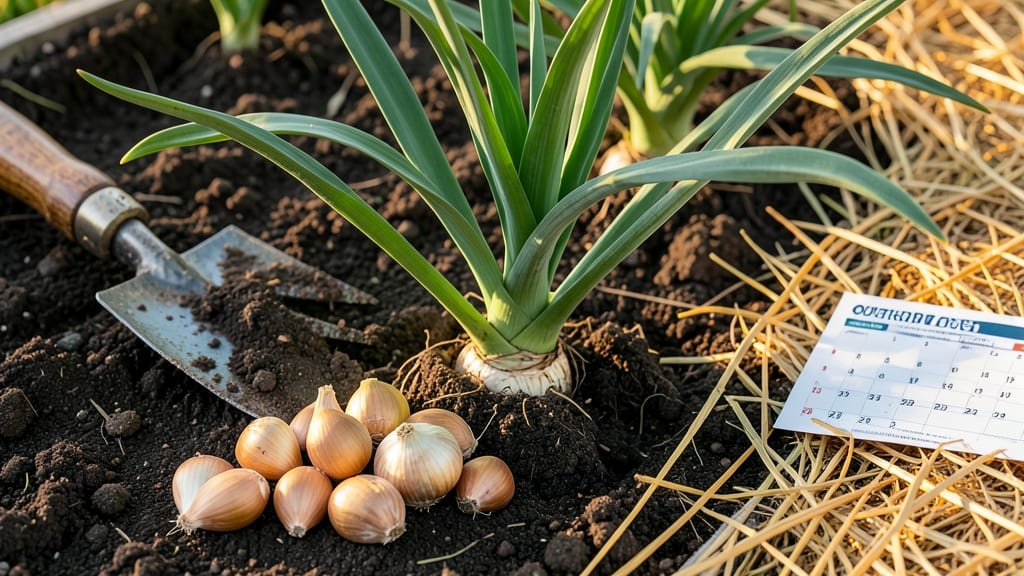
If you've ever wondered when to plant garlic in Vermont, the answer isn't just about timing—it's about embracing the cold. Vermont's Zone 5b climate actually makes fall the perfect window for growing 🧄 this hardy crop, with snow acting as natural insulation.
Most gardeners assume garlic needs warm soil, but the truth is, planting between mid-October and November gives it time to establish roots before winter sets in. This head start means bigger bulbs by harvest season, even under Vermont's snowy winters.
What sets successful Vermont garlic growers apart isn't just the planting date—it's choosing the right varieties. Cold-hardy types like 'German White' and 'Music' not only survive but thrive in our climate, producing robust bulbs that store well through winter.
I'll walk you through the exact planting schedule, soil prep tips, and how to protect your crop from late frosts. By the end, you'll know exactly how to time your garlic planting for a bountiful harvest next summer—no guesswork required.
Best time to plant garlic in Vermont for maximum yield
Vermont’s cold climate (USDA Zones 3-5) actually makes it one of the best places to grow garlic—but timing is everything. The ideal planting window is mid-to-late fall, when soil temperatures drop below 60°F but before the ground freezes. This allows roots to establish before winter dormancy begins.
Most Vermont gardeners aim for October 1st to November 15th, aligning with the state’s average first frost date of November 15th. Planting too early (like September) can trigger premature sprouting, while planting too late risks shallow roots that won’t survive winter.
Here’s why fall planting works best: Garlic needs 12-16 weeks of cold temperatures (called vernalization) to form bulbs properly. Vermont’s winters provide this naturally, but you must plant early enough for roots to anchor before snow covers the soil.
Spring planting is possible but not recommended in Vermont. Spring-planted garlic often produces smaller bulbs with fewer cloves, as it misses the critical cold period. If you must plant in spring, do so by March 15th for a late-summer harvest.
Soil temperature is your best guide. Use a soil thermometer to confirm temps are consistently below 60°F before planting. In northern Vermont (Zone 3), this usually happens by mid-October, while southern areas (Zone 5) may wait until early November.
Pro tip: Vermont’s snow cover actually protects garlic from extreme cold. A 3-4 inch mulch layer of straw or leaves after planting ensures bulbs stay insulated through winter. Without this, fluctuating freeze-thaw cycles can damage emerging roots.
🌱 Vermont Garlic Planting Timeline
| Month | Action | Soil Temp | Notes |
|---|---|---|---|
| September | Prep soil (amend with compost) | 65-75°F | Avoid planting too early |
| October | Plant cloves (mid-late month) | Below 60°F | Ideal for Zone 4-5 |
| November | Mulch heavily (3-4 inches) | 32-40°F | Protect from freeze-thaw cycles |
| April | Remove mulch when shoots emerge | 40-50°F | Avoid disturbing roots |
| July-August | Harvest when lower leaves brown | 70-80°F | Cure bulbs for 2-3 weeks |
For hardneck varieties (the best choice for Vermont), aim to plant by November 1st in northern areas. These varieties need cold to produce scape stems (the curly green shoots) and larger bulbs. If you’re in southern Vermont, you might extend planting until November 15th.
One common mistake is planting too shallowly. In Vermont’s rocky soil, bury cloves 2 inches deep with the pointed end up. Deeper planting (3+ inches) can lead to rot, while shallower planting risks frost damage. Space cloves 6 inches apart in rows 12 inches apart for optimal airflow.
Remember: Vermont’s microclimates vary. Higher elevations (like the Green Mountains) freeze earlier, so adjust your timeline accordingly. Always check your local USDA frost map or use a garlic planting calculator for precise dates.
With the right timing, your garlic harvest will reward you with plump, flavorful bulbs—even after a Vermont winter! 🧄
Best time to plant garlic in Vermont for maximum yield
Vermont’s Zone 5b climate creates a unique opportunity for garlic growers—planting in fall (not spring!) lets the crop establish roots before winter. The key is timing: aim for 4-6 weeks before the ground freezes, typically between mid-October and November.
This window ensures roots grow before snow insulation kicks in, protecting the bulbs. In Vermont, soil temps drop below 40°F (4°C) by late November, signaling it’s time to plant. Miss this window, and your garlic may not develop properly before spring.
For maximum yield, focus on these critical dates: October 15–31 (ideal for most regions) Early November (for late-freezing areas like Addison County) Avoid planting after November 15—roots won’t harden enough for winter.
| Stage | Action | Vermont Notes |
|---|---|---|
| Soil Prep | Test pH (6.0–7.0), amend with compost | Vermont soils are often acidic—lime may be needed |
| Planting Window | October 15–November 15 | Adjust for your last frost date (check USDA Zone 5b maps) |
| Depth | 2 inches, cloves pointy-end up | Deeper in sandy soils (common in Chittenden County) |
| Spacing | 4–6 inches apart, rows 12 inches apart | Tighter spacing = more competition (reduce to 4 inches for small bulbs) |
| Mulching | Apply 4–6 inches of straw after planting | Straw retains heat better than leaves in Vermont winters |
Spring planting is possible but risky—garlic grows slowly in cool weather, and Vermont’s short growing season (only 165 frost-free days) may not allow bulbs to mature fully. If you must plant in spring, use early-maturing varieties and start by March 15.
Pro tip: Use a soil thermometer to confirm temps are below 40°F (4°C) before mulching. In Vermont, this usually happens by mid-November, but check your microclimate—higher elevations freeze sooner.
Remember: The earlier you plant in fall, the larger your bulbs will be by July harvest. Don’t wait until December—your garlic won’t have time to establish before winter sets in permanently. 🧄