
Plants
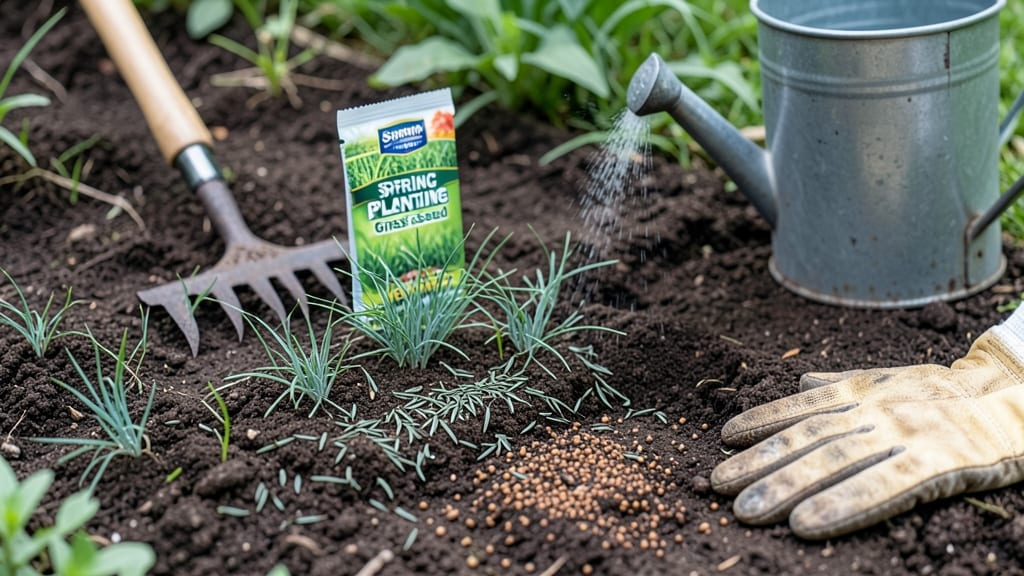
Timing your grass seed planting in spring can make or break your lawn's success—get it wrong, and you're staring at a patchy yard all season. The secret lies in balancing soil temperatures and frost-free dates, especially in Zone 6 where early springs can be tricky.
Too soon, and cold soil stunts germination; too late, and weeds steal the show.
For most regions, the ideal window is 4-6 weeks before your last frost date, typically landing in early to mid-April for Zone 6. But don't just guess—soil should hit 50°F+ consistently for cool-season grasses like Kentucky bluegrass.
Warm-season varieties like Bermuda grass? Wait until soil warms to 65°F+, usually May or June.
Preparing your soil is just as critical as timing. Rake the area to a fine tilth, spread seed evenly, and lightly cover with straw. Water gently daily for the first 2 weeks—deep soaks encourage strong root development.
Skip the shortcuts here, and you'll set your lawn up for failure before it even starts.
Ready to transform your yard? I'll walk you through exact planting windows by zone, soil prep tricks, and post-planting care to ensure your grass takes root like a pro. Let's get that green growing!
Ideal soil temperatures for planting grass seed in spring
Planting grass seed at the right time in spring depends on soil temperature, not just air temperature. Most grass seeds need soil temps between 50°F and 65°F (10°C–18°C) to germinate properly.
If the soil is too cold, seeds may rot; if it's too warm, they can dry out before sprouting.
Cool-season grasses like Kentucky bluegrass and tall fescue thrive when soil temps are between 50°F and 60°F. Warm-season grasses such as Bermuda or Zoysia need warmer soil, ideally 65°F to 75°F. Timing matters because early springs can still have chilly nights that slow germination.
To check your soil temperature, use a soil thermometer (insert it 1–2 inches deep). If temps are below 50°F, wait 1–2 weeks or use a frost blanket to warm the soil faster. Planting too early can lead to poor germination or seedling death from late frosts.
Conversely, planting too late in spring risks heat stress on young seedlings. Aim for 4–6 weeks before your last frost date for cool-season grasses. For warm-season types, wait until soil temps consistently stay above 65°F, usually late spring or early summer.
Here’s how to test soil readiness: Press your finger into the soil—if it feels cool but not icy, it’s likely in the ideal range. A simple water test also helps: If water drains within 1–2 hours, the soil is warm enough for planting.
| Grass Type | Ideal Soil Temp (°F) | Best Planting Window | Risk of Early Planting |
|---|---|---|---|
| Cool-Season (Kentucky Bluegrass, Fescue) | 50°F–60°F | Early to mid-spring (4–6 weeks before last frost) | Seed rot, poor germination |
| Warm-Season (Bermuda, Zoysia, St. Augustine) | 65°F–75°F | Late spring to early summer (after last frost) | Heat stress, dormancy |
| Ryegrass (Fast-Germinating) | 45°F–55°F | Late winter to early spring | Frost damage if planted too late |
If your soil is too cold, consider covering the seedbed with a thin layer of straw mulch (1/4 inch max) to retain warmth. Avoid black plastic, which can overheat the soil. For warm-season grasses, wait until the ground feels warm to the touch—usually late May or June in most regions.
Pro tip: Morning soil temps are often 5–10°F cooler than afternoon temps. Check temps in the morning to avoid overestimating warmth. If you’re unsure, err on the side of waiting—patience prevents patchy lawns.
Once seeds are planted, maintain consistent moisture (1/2 inch per week) to encourage even germination. Use a sprinkler with fine mist to avoid displacing seeds. Avoid walking on the area until germination is complete (usually 14–21 days).
Remember, soil temperature trumps air temperature when deciding when to plant. A sunny day with 60°F air can still have 45°F soil—always check below the surface for accuracy. 🌱
Frost-free deadlines by US planting Zone: when to plant grass seed
Your last frost date is the ultimate deadline for planting cool-season grass seed in spring. But did you know that USDA Planting Zones 3–10 can vary by 4–6 weeks in frost-free timing?
For example, Zone 3 (northern climates) may see frost as late as June 15, while Zone 10 (southern Florida) is frost-free year-round.
Cool-season grasses like Kentucky bluegrass and tall fescue need to be planted 4–6 weeks before your last frost date. Warm-season grasses such as Bermuda or Zoysia should wait until after the last frost, when soil temps hit 65°F+.
Below is a zone-by-zone breakdown to help you pinpoint the perfect window for your region.
| USDA Zone | Last Frost Date | Cool-Season Planting Window | Warm-Season Planting Window |
|---|---|---|---|
| Zone 3 | May 15–June 15 | April 1–April 30 | June 15–July 15 |
| Zone 4 | May 1–May 15 | March 15–April 15 | May 15–June 1 |
| Zone 5 | April 15–April 30 | March 1–March 31 | April 30–May 15 |
| Zone 6 | April 1–April 15 | February 15–March 15 | April 15–May 1 |
| Zone 7 | March 15–March 31 | January 15–February 15 | March 31–April 15 |
| Zone 8 | January 15–February 15 | November 1–December 15 | February 15–March 15 |
| Zone 9 | December 15–January 15 | September 15–October 15 | January 15–February 15 |
| Zone 10 | None (year-round) | September–November | March–June |
If you’re in Zone 6 (like much of the Midwest), aim to plant cool-season grass seed between February 15 and March 15. For warm-season grasses, wait until April 15–May 1.
Check your local Almanac’s frost dates or use the USDA Plant Hardiness Zone Map to confirm your exact window.
Pro tip: Early springs (like 2023’s record warmth) can trick you into planting too soon. Always verify soil temps—not just air temps—before seeding. A soil thermometer costs under $10 and saves you from wasted seed.
Need to adjust for an unusual frost pattern? I’ll cover tactical fixes in the next section—like using frost blankets or choosing cold-hardy varieties to extend