
Plants
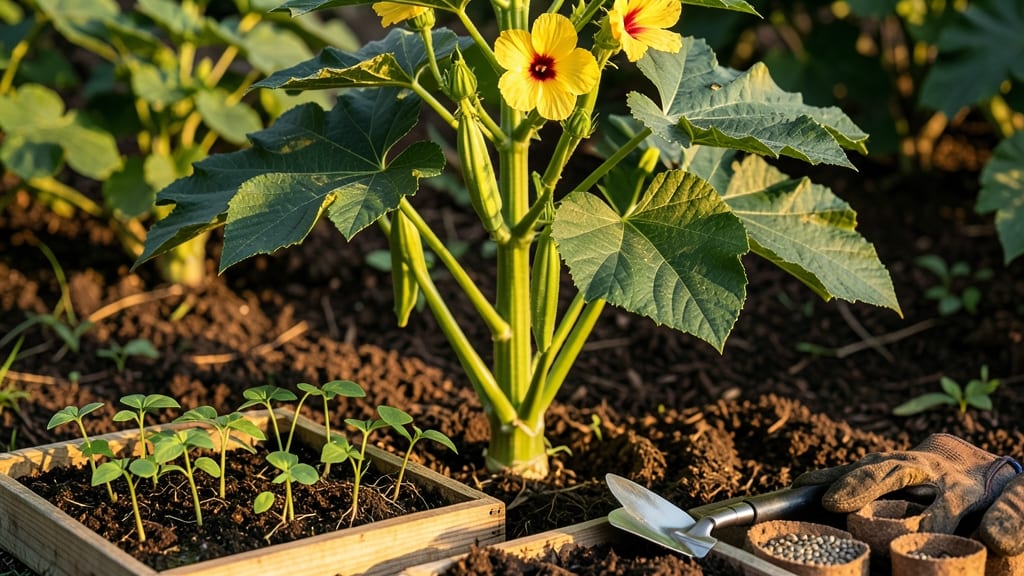
If you’ve ever wondered why your okra plants wilt before they even get a chance to thrive, the answer lies in when you plant them in Texas.
This heat-loving crop demands precision—too early, and frost will nip your seedlings; too late, and you’ll miss the sweet spot between scorching summers and the first cold snap.
Texas gardeners know the stakes: okra 🌱 needs 60°F soil and frost-free skies to take off. Whether you’re in North Texas (where winters linger) or South Texas (where heat arrives early), timing makes all the difference.
I’ll break down the exact windows—from mid-April to early June for spring plantings or late July for fall crops—so you can avoid common pitfalls and maximize your harvest.
Beyond dates, I’ll share which heat-resistant varieties (like ‘Clemson Spineless’) perform best in Texas’ brutal summers and how to prep your soil for success. No more guesswork—just science-backed strategies to turn your garden into a okra powerhouse.
Ready to stop second-guessing and start planting? Let’s dive into the perfect schedule for your zone, so you can enjoy fresh pods from July through October without the stress.
Texas okra planting dates by Zone: exact months for maximum yield
Okra thrives in Texas’ long, hot summers, but timing your planting is critical to avoid frost damage or heat stress. The Lone Star State spans USDA zones 6a-11, so planting windows vary by region.
In North Texas (Dallas/Fort Worth, Zone 8a), aim for mid-April to early May after the last frost—typically around February 15.
Meanwhile, Central Texas (Austin/San Antonio, Zone 8b-9a) can start as early as late March, while South Texas (Houston/Corpus Christi, Zone 9b-11) enjoys a longer season, with plantings from mid-April to early June.
For a fall harvest, Texas gardeners can plant okra again in late July to early August. This second planting takes advantage of summer’s residual heat before cooler temperatures arrive. Just ensure soil temperatures stay above 60°F (15°C), as okra seeds won’t germinate in cooler soil.
Use a soil thermometer to confirm readiness—this simple tool prevents wasted effort on seeds that won’t sprout.
Here’s a region-specific breakdown of optimal planting windows, including frost-free dates and soil temperature thresholds to maximize your okra’s potential:
| Region | USDA Zone | Last Frost Date | Spring Planting Window | Fall Planting Window | Soil Temp Threshold |
|---|---|---|---|---|---|
| North Texas (Dallas/Fort Worth) | 8a | February 15 | Mid-April to early May | Late July to early August | 60°F (15°C) |
| Central Texas (Austin/San Antonio) | 8b-9a | March 1 | Late March to early April | Late July to early August | 60°F (15°C) |
| South Texas (Houston/Corpus Christi) | 9b-11 | February 1 | Mid-April to early June | Late July to early September | 65°F (18°C) |
If you’re in Zone 6a (Panhandle), opt for early-maturing varieties like 'Burgundy' or 'Clemson Spineless' to harvest before the first frost in November. In contrast, gardeners in Zone 10b (Deep South Texas) can extend the season by planting year-round, though yields may drop during cooler months.
Always check local frost dates from the National Weather Service or Texas A&M AgriLife Extension for precision.
For container gardening, start seeds indoors 4-6 weeks before your region’s last frost date. Use biodegradable pots to avoid transplant shock when moving seedlings outdoors. Okra grows quickly—60-75 days to maturity—so early starts ensure a bountiful harvest before Texas’ summer heat peaks in July and August.
Just be prepared for bolting if planted too soon; okra flowers when stressed by cool temperatures.
Pro tip: Direct-sow seeds after the soil warms, as seedlings hate being transplanted. Space seeds 12-18 inches apart in rows 3 feet apart to allow airflow and reduce powdery mildew risk.
Mulch with straw or grass clippings to retain moisture and regulate soil temperature—critical in Texas’ 100°F+ summers. 🌱
Adjust your planting schedule based on local microclimates. Urban areas like Dallas may experience 5-10°F warmer soil temperatures than rural zones, while elevated gardens cool faster at night. Use a shade cloth for young seedlings if daytime temps exceed 90°F (32°C) to prevent heat stress.
Monitor your garden closely—okra’s bright yellow flowers signal it’s ready to produce pods in 7-10 days.
In South Texas
Best heat-resistant okra varieties for Texas gardens: top 5 picks for drought & heat tolerance
Texas summers can push 100°F+ temperatures, making variety selection critical for okra success. You need cultivars that thrive in heat and drought while delivering high yields and tender pods.
Here are my top 5 heat-resistant picks that consistently perform in Texas gardens, from North Texas' cooler summers to South Texas' relentless heat.
First, let's tackle the Clemson Spineless variety—my #1 recommendation for Texas gardeners. This Southern classic produces smooth, spineless pods that reach 4-6 inches long, perfect for gumbo and stir-fries.
It matures in just 55-60 days, making it ideal for both spring and fall plantings. Its drought tolerance is legendary, and it handles Texas' intense sunlight without wilting.
For gardeners in South Texas where heat persists longer, consider Emerald okra. This variety thrives in 100°F+ temperatures and produces bright green pods that stay tender even in extreme heat.
It's also resistant to okra weevils, a common pest in Texas gardens. Plant this variety in late July for a fall harvest that extends into October.
If you're after large pods for traditional recipes, Jumbo Yellow is my top pick. These 6-8 inch pods have a unique yellow hue and a slightly sweeter flavor. While slightly less drought-tolerant than Clemson, it still performs well in Texas' hot, dry conditions.
The trade-off? You'll need to monitor soil moisture more closely during peak summer months.
Don't overlook Blonde de Paris for its versatile color and high heat tolerance. This French heirloom produces creamy white pods that turn green when exposed to sunlight, giving you a striking dual harvest. It's particularly well-suited for Central Texas where summer temperatures can fluctuate dramatically between day and night.
For quick harvests, Arkansas #4 is my go-to for North Texas gardeners. This early-maturing variety produces 3-4 inch pods in just 50-55 days, perfect for getting an early start before the real heat sets in.
While not as heat-tolerant as other varieties, it's an excellent choice for spring plantings when temperatures are still moderate.