
Plants
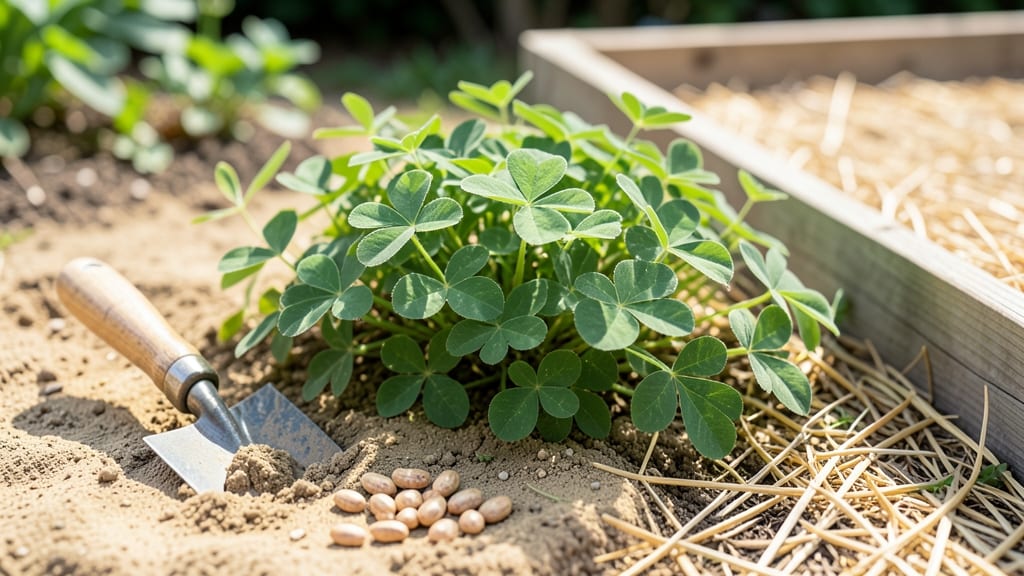
Planting peanuts in Georgia isn’t just about spring—it’s about catching that narrow window between frost risk and scorching summer heat. Miss the mark, and your 🥜 harvest could be half the yield you expected.
With Georgia’s 7b-8b climate, most growers aim for late April through early May, but the exact timing depends on your county’s microclimate. Too early, and a late frost can wipe out young plants; too late, and the heat stresses them before pods even form.
I’ll break down the critical deadlines by region, soil type, and peanut variety—plus how to use NOAA frost data to fine-tune your schedule. Whether you’re in the Coastal Plain or Wiregrass, these insights will help you maximize your harvest.
Ready to avoid the common mistakes that cost Georgia farmers thousands in lost crops? Let’s get your planting calendar dialed in for success.
Georgia peanut planting deadlines by county: frost-free zones and optimal ranges
Georgia’s peanut-growing regions range from the Coastal Plain’s humid warmth to the Piedmont’s cooler nights, creating wildly different planting windows. The key? Soil temperature must stay above 68°F for 7+ days straight—peanut seeds won’t germinate below that.
Most counties hit this threshold between mid-April and early May, but your exact deadline depends on elevation and proximity to the coast.
For example, Tift County (home to Georgia’s peanut research hub) averages a last frost on March 15, while Dade County in the north may see frost lingering until April 10.
Planting too early in cooler zones risks frost damage to tender seedlings, while waiting too long in southern counties can lead to heat stress before pods form.
| Region | Avg. Last Frost | Ideal Planting Window | Soil Temp Threshold | Key Varieties |
|---|---|---|---|---|
| Coastal Plain (Tift, Irwin, Colquitt) | March 1–15 | Late April–early May | 68°F+ for 7+ days | Georgia Red, Southern Runner |
| Piedmont (Fayette, Coweta, Douglas) | March 15–April 1 | Early May–mid-May | 70°F+ for 5+ days | Georgia Brown, Early Spanish |
| Wiregrass (Dade, Walker, Catoosa) | April 1–10 | Mid-May–early June | 72°F+ for 10+ days | Virginia Type, Early Runner |
| Mountain (Murray, Fannin, Gilmer) | April 15–May 1 | Late May–June 1 | 75°F+ for 14+ days | Spanish, Runner |
🌱 Pro Tip: Use NOAA’s Frost/Freeze Forecast to track your county’s 32°F threshold—plant 10 days after the last predicted frost.
To pinpoint your exact planting window, check the USDA Plant Hardiness Zone Map for your county—Georgia spans 7b–8b. For example, Zone 7b (like Fayette County) can plant 2 weeks earlier than Zone 8a (like Camden County) because cooler nights delay soil warming.
I recommend using a soil thermometer to confirm temps before planting; seeds won’t sprout below 68°F, no matter what the calendar says.
Another critical factor? Rainfall patterns. Southern Georgia’s April showers can delay planting if soils stay waterlogged, while northern counties might need irrigation to kickstart germination. Aim for 1–1.5 inches of rain per week during the first 4 weeks after planting—too much water drowns seeds, too little stunts growth.
For home gardeners, I suggest planting Georgia Red or Southern Runner varieties—they mature in 120–140 days, giving them time to develop pods before Georgia’s first frost in mid-November.
If you’re in a shorter-season zone (like Zone 7b), opt for early-maturing types like Early Spanish to avoid late-season heat stress.
Remember: Peanuts need consistent warmth to set pods. If you plant in late May or June, pods may not mature before the first frost—resulting in a 50% yield loss.
Use these county deadlines as your guide, but always double-check with your local University of Georgia Extension office for real-time soil data.
One last tip: Warm your soil before planting. Lay down black plastic mulch 2 weeks prior to raise temperatures by 5–10°F. This trick is especially useful in cooler Piedmont counties where soil heats up slower.
Now that you’ve got your planting window locked in, let’s talk about how to adjust for soil type and peanut variety—because not all peanuts thrive equally in Georgia’s diverse growing conditions. 🌱
How to adjust peanut planting dates based on soil type and variety
Georgia’s peanut growers know that not all soil is created equal—and neither are all peanut varieties.
The soil type you’re working with can shift your planting window by 2-3 weeks, while choosing the wrong variety for your microclimate can mean the difference between a bountiful harvest and a failed crop.
Let’s break down how to match your planting schedule to your soil conditions and peanut type.
For example, sandy soils (common in Coastal Plain counties like Tift or Echols) warm up faster in spring, allowing you to plant Georgia Red varieties as early as mid-April.
Meanwhile, clay-heavy soils in the Piedmont region (like Forsyth or Hall counties) retain moisture longer but stay cooler, pushing ideal planting dates closer to late April or early May. The key is testing your soil’s temperature at 4-inch depth—peanuts need it to stay above 68°F for consistent germination.
Variety selection is equally critical. Early-maturing types like Georgia Red (ready in 100-110 days) are perfect for Zone 7b areas where summers are shorter, while late-season varieties like Southern Runner (130-140 days) thrive in Zone 8a regions with longer growing seasons.
Planting a Southern Runner in Zone 7b? You’ll likely miss the first frost and lose your crop.
Here’s how to sync your planting with your conditions:
| Soil Type | Best Variety | Ideal Planting Window | Key Adjustment |
|---|---|---|---|
| Sandy (Coastal Plain) | Georgia Red, Virginia | Mid-April to early May | Plant early; soil warms fast |
| Clay (Piedmont) | Southern Runner, Early Spanish | Late April to early June | Wait for soil temp >68°F |
| Loamy (Wiregrass) | Florunner, Georgia Brown | Early May to mid-May | Balanced timing for moisture |
Don’t overlook the USDA Plant Hardiness Zone as your final check. Georgia spans Zones 7b through 8a, and while this doesn’t dictate planting dates directly, it influences which varieties will mature before frost.
For example, Zone 7b growers should stick to varieties with a maturity window of 100-120 days, while Zone 8a can handle 130-140 day types. Use the NOAA frost probability tool to cross-check your county’s last frost date—this is your hard stop for late-season varieties.
Pro tip: If you’re in a transition zone (like Zone 7b/8a borders), err on the side of earlier planting.
Peanuts planted too late in Zone 8a may not develop pods before summer heat stress kicks in, while Zone 7b growers risk frost damage if they delay past mid-May. Always have a backup planting date—just in case Mother Nature throws you a curveball.
Finally, remember that soil pH plays a hidden role in timing. Peanuts prefer pH 6.0-6.5, but if your soil is too acidic, germination slows down. Test your soil in early spring and amend with lime if needed—this gives you a 2-week head start on optimal growing conditions.