
Plants
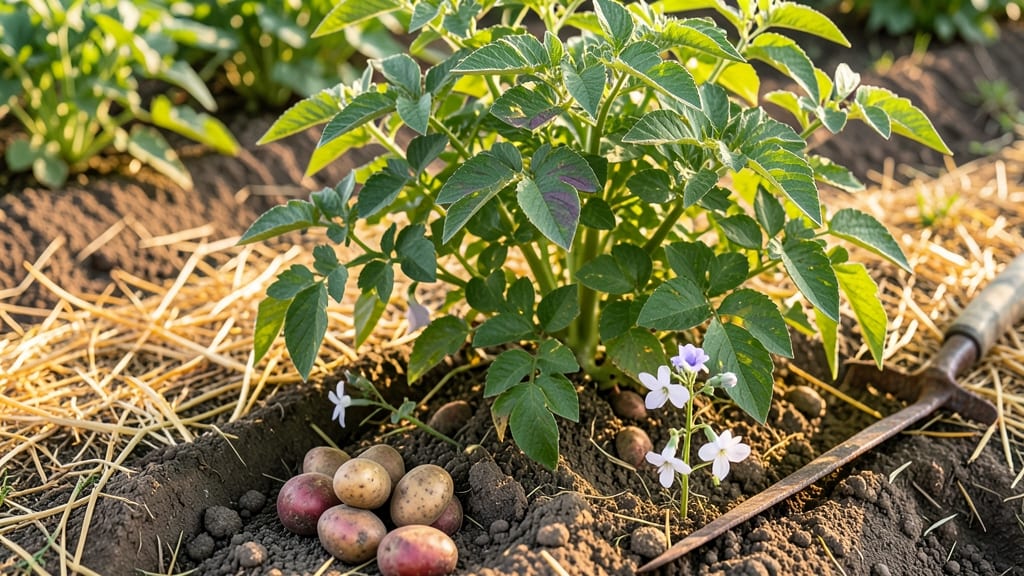
Timing when do you plant potatoes in Australia can make or break your harvest—get it wrong, and you risk bolting or stunted growth. The perfect window depends on where you live, with tropical Queensland needing a different approach than frost-prone Victoria.
Whether you're a backyard gardener or a small-scale farmer, knowing the ideal months for your zone is the key to zero stress and maximum yields.
Most Australian gardeners plant potatoes in spring, but the exact timing varies dramatically across regions.
In warmer areas like northern NSW or Queensland, you might start as early as late winter to avoid summer heat stress, while cooler climates like Tasmania or alpine Victoria wait until late spring when soil temperatures rise above 10°C.
This isn't just about dates—it's about avoiding the dreaded bolting that turns your potatoes into flowers instead of tubers.
What you'll discover here are the precise planting windows tailored to Australia's diverse climates, from subtropical to temperate zones. We'll break down how to adjust for early, mid, and late varieties, plus pro tips to extend your harvest season.
No more guessing—just science-backed timing to grow healthier, bigger potatoes with minimal effort.
Ready to transform your garden? Let's dive into the exact months and conditions that work for your location, so you can enjoy a bumper crop from summer through fall. Your future spuds will thank you!
Australia’s potato planting zones: exact dates by climate region to avoid bolting
Australia’s diverse climate means potato planting times vary dramatically from tropical Queensland to alpine Victoria. In temperate zones like NSW and Victoria, aim for late winter to early spring (August-September) when soil temperatures hit 10-15°C.
Meanwhile, subtropical areas (e.g., northern NSW) can plant as early as June-July, while tropical Queensland often grows potatoes year-round with shade protection.
The key is avoiding long daylight hours that trigger bolting (premature flowering). In southern Australia, first frost risks after May-June demand early planting, while northern regions face heat stress if planted after October. Let’s break down the ideal planting windows for each zone to maximize your harvest.
🌱 Pro Tip: Use a soil thermometer—potatoes need 10°C minimum to sprout consistently. Cold soil delays germination and invites rot.
| Zone | Climate Type | Planting Window | Soil Temp (°C) | Key Risks |
|---|---|---|---|---|
| Tropical (QLD, NT) | Hot/Humid | Year-round (shade needed) | 15-25°C | Bolting, pests |
| Subtropical (NSW North Coast) | Warm Temperate | June-July (autumn) | 12-18°C | Heat stress |
| Temperate (NSW, VIC, SA) | Cool Temperate | August-September (spring) | 10-15°C | Frost damage |
| Alpine (Tasmania, VIC Highlands) | Cool Alpine | September-October (late spring) | 8-12°C | Slow growth |
| Western Australia (Perth, SW) | Mediterranean | May-June (autumn) | 12-16°C | Drought |
In temperate zones like Victoria and NSW, the August-September window aligns with soil warming after winter. For example, in Melbourne, planting by mid-August ensures tubers form before spring rains increase disease risk. Meanwhile, Perth’s Mediterranean climate demands autumn planting (May-June) to avoid summer heat.
🌡️ Key Factor: Soil temperature trumps calendar dates. Use a moisture meter—potatoes need consistent moisture but no waterlogging. In high-rainfall areas, raise beds to improve drainage.
For northern Australia, shade cloth (30-50%) is essential to prevent bolting. Varieties like ‘Kennebec’ tolerate heat better than ‘Desiree’, which bolts quickly in Queensland’s long days. Always chit your seed potatoes (sprout before planting) to jumpstart growth in warm climates.
In southern Australia, frost protection is critical. Cover young plants with fleece if nights dip below 5°C. Tasmania’s alpine regions can plant as late as October due to cooler soils, but harvest before frost—even light frost blackens skins.
💡 Regional Hack: In <
How to adjust planting dates for early or late varieties in Australian conditions
Australia’s diverse climate means you can grow potatoes year-round in some regions, but timing still matters for maximizing yields. Early varieties like ‘Rocket’ or ‘Nadine’ thrive when planted in late winter to early spring, while maincrop varieties such as ‘Kennebec’ or ‘Desiree’ prefer spring planting for a summer harvest.
Adjusting your schedule based on variety ensures you avoid bolting (premature flowering) and extend your harvest window.
In temperate zones like Victoria or Tasmania, aim to plant first-early varieties in August–September for a November–December harvest. For maincrop types, September–October planting gives you January–March tubers.
Meanwhile, in subtropical areas like northern NSW or Queensland, you can plant heat-tolerant varieties like ‘Bonita’ in April–May to escape summer heat stress and harvest in August–September.
For continuous harvests, stagger plantings every 2–3 weeks using a mix of first-early, second-early, and maincrop varieties. For example, start with ‘Rocket’ in August, follow with ‘Nadine’ in September, and finish with ‘Desiree’ in October.
This strategy works best in cooler climates where frost isn’t a risk—like southern Australia—but requires careful monitoring in warmer zones where early planting can trigger bolting.
- 🌱 First-Early Varieties (e.g., ‘Rocket’): Plant in late winter (Aug–Sept) for spring harvests (Nov–Dec) in temperate zones.
- 🌿 Second-Early Varieties (e.g., ‘Nadine’): Plant in early spring (Sept–Oct) for summer harvests (Dec–Jan).
- 🌳 Maincrop Varieties (e.g., ‘Desiree’): Plant in spring (Oct–Nov) for late summer/autumn harvests (Feb–Apr).
- ☀️ Heat-Tolerant Types (e.g., ‘Bonita’): Plant in subtropical spring (Apr–May) to avoid summer bolting.
- ❄️ Cold-Hardy Types (e.g., ‘Sebago’): Plant in late winter (Aug) in alpine regions for early spring harvests.
If you’re in a high-risk bolting zone like northern NSW or Queensland, opt for shade-tolerant varieties and plant in late autumn (April–May) to align with cooler soil temperatures. Use black plastic mulch to warm the soil faster and shade cloth during peak daylight hours to delay flowering.
In alpine areas like the Victorian Highlands, wait until soil temperatures reach 10°C (around October) to avoid frost damage to young tubers.
Pro tip: Track your local frost dates and soil temperature trends using the BOM (Bureau of Meteorology) website. Aim to plant when daytime highs are 15–20°C and nights stay above 5°C—this sweet spot minimizes stress and bolting risks.
For container growing, use larger pots (30cm+ depth) and plant 2–3 weeks earlier than ground plantings, as pots warm up faster in spring.
By matching variety maturity to your local climate and staggering plantings, you can enjoy fresh potatoes from late spring to early autumn—even in Australia’s harshest conditions. Start small with 2–3 varieties, monitor their progress, and refine your schedule each year for bigger, bolting-free harvests! 🌱