
Plants
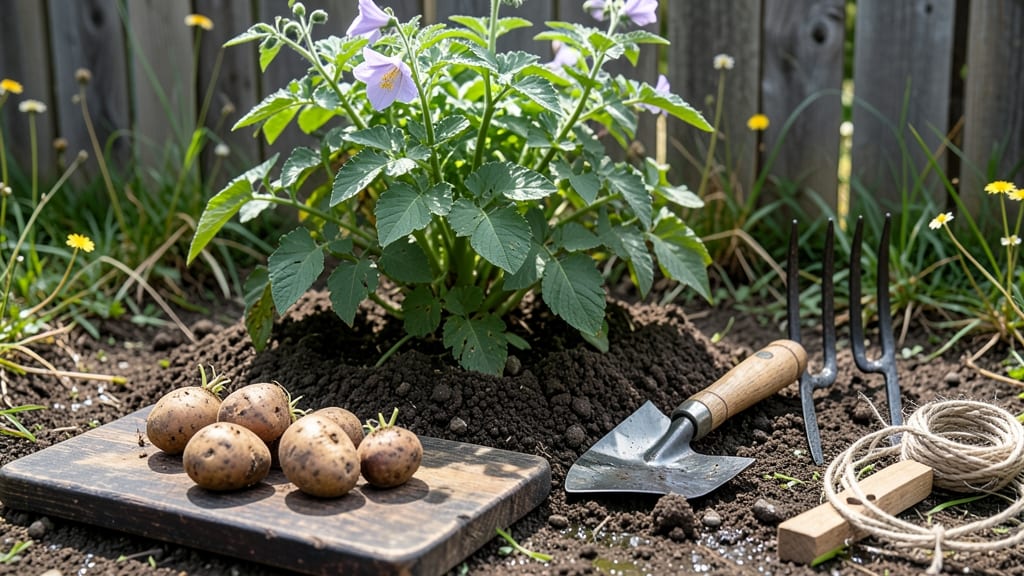
Planting potatoes in California at the wrong time can turn your harvest into a floral disaster—literally. That’s right, if you miss the ideal window, your 🥔 tubers might bolt into blooms instead of growing the crisp, starchy spuds you crave. With California’s 9b-10a zones and microclimates ranging from coastal chill to inland heat, timing is everything.
You’ve probably heard the general advice—plant in spring or fall—but here’s the catch: coastal areas like San Diego (Zone 10a) play by different rules than the Central Valley (Zone 9b). One wrong move, and you’re staring at a garden full of potato flowers instead of dinner.
Let me break down the exact planting windows for your county, so you can avoid bolting and maximize your harvest.
Whether you’re a backyard gardener or a small-scale farmer, getting this right means fewer wasted tubers and more homegrown goodness. I’ll show you how to read your local climate cues, choose the best varieties, and even troubleshoot if your potatoes start acting up. Ready to dig in?
From fall planting for spring harvests to spring prep for summer yields, this guide covers it all—so you can finally enjoy that fresh, California-grown potato without the floral mishaps. Let’s get growing!
California potato planting dates by county: avoid bolting with these exact timelines
California’s microclimates create a puzzle for potato growers—what works in cool coastal Humboldt fails in hot Central Valley deserts. The key to avoiding bolting (when potatoes flower instead of producing tubers) lies in planting at the right time when soil temperatures hit 45-55°F and daylength triggers are optimal.
Below, I’ve mapped out county-specific planting windows based on real data from UC Master Gardeners and commercial farms.
Most California gardeners focus on two planting windows: fall for spring harvests (best for coastal areas) and early spring for summer harvests (ideal for inland valleys). However, high-desert regions like Inyo County can plant 6 weeks earlier than Los Angeles County due to cooler nights.
The table below breaks down exact planting dates by county, including soil temperature thresholds and frost risk factors.
Why these dates? Potatoes bolt when exposed to long daylight hours (>14 hours) combined with warm soil. In Zone 10a (coastal), planting after November 15 risks bolting by spring.
Meanwhile, Central Valley gardeners must plant by October 15 to avoid heat stress—even if soil temps seem ideal. Pro tip: Use black plastic mulch to warm soil faster in cooler zones like Humboldt.
For spring-planted potatoes, aim to harvest before summer solstice (June 21). After that, daylength triggers kick in, and tubers may bolt before maturing. In Los Angeles County, this means harvesting by late June, while Sacramento gardeners can stretch harvests to early July.
One critical factor often overlooked is soil moisture during planting. Dry soil delays sprouting, while overly wet soil can rot seed potatoes. In clay-heavy soils (common in Central Valley), amend with compost and sand to improve drainage.
In sandy soils (like coastal areas), add organic matter to retain moisture.
If you’re in Zone 9b or hotter, consider shade cloth (30-50%) during peak summer to protect plants from heat stress, which accelerates bolting. Red LaSoda potatoes handle heat better than Yukon Gold, but even they’ll bolt if planted too early in Riverside County.
For container growing, plant in early spring (February) and harvest by June to avoid bolting. Use 5-gallon pots with well-draining mix and move containers to partial shade if temps
How to time potato planting for maximum yield: soil prep and variety selection
Timing your potato planting in California isn’t just about the calendar—it’s about matching your variety to your microclimate. The wrong combo can mean bolting (flowering) instead of harvests. For example, Yukon Gold thrives in cooler coastal zones, while Red LaSoda handles Central Valley heat better.
Start by testing your soil temperature—potatoes need 45°F-55°F soil to sprout without bolting prematurely.
Before planting, prep your soil like a pro: loosen it 12 inches deep to prevent root binding, mix in compost for nutrients, and raise beds in heavy clay areas to avoid waterlogging.
California’s drought-prone soils often need organic matter to retain moisture. A quick pH test (aim for 5.0-6.5) will save you from nutrient deficiencies later.
The styled list below breaks down your soil prep