
Plants
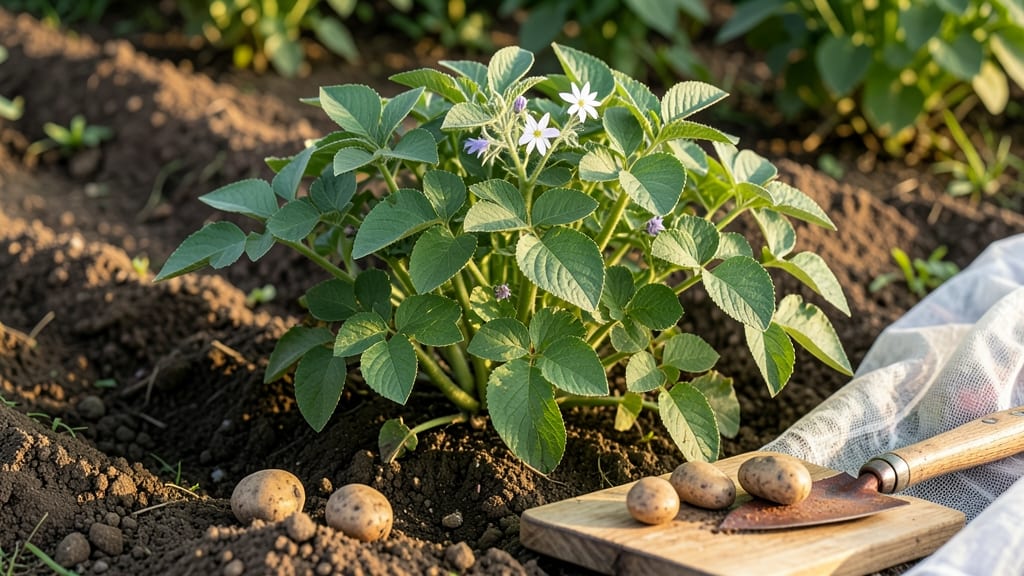
Timing when do you plant potatoes in Colorado isn’t just about following a calendar—it’s about outsmarting the state’s unpredictable frost dates and elevation shifts. Whether you’re in the Front Range or the Western Slope, planting too early risks a surprise freeze, while waiting too long cuts your harvest short.
The key lies in knowing your local frost-free window, which can vary by hundreds of days depending on where you live.
For most Colorado gardeners in zones 5-7, the ideal window opens in early spring—typically between March and April—but high-elevation growers may need to start as early as February.
This isn’t just guesswork; it’s about aligning your 🥔 planting with soil temperatures and last-frost averages that actually match your microclimate. Skipping this step means risking stunted growth or worse.
What sets Colorado apart? Unlike flatter states, our elevation zones create wildly different growing seasons—even just 100 miles apart. A Front Range gardener might plant in late March, while someone at 8,000 feet could need to wait until May.
I’ll break down the exact frost-free timelines for each zone so you can avoid common mistakes and maximize your harvest.
Ready to dig in? You’ll also discover how to adjust for Colorado’s quirks—like hail-prone skies or early frosts—using simple tricks like row covers and soil warming. Let’s get those spuds in the ground at the perfect moment.
Colorado potato planting dates by elevation zone (frost-free timeline)
Colorado’s elevation zones dramatically impact potato planting. The Front Range foothills (2,500–5,000 ft) have the longest growing seasons, while high mountain valleys (above 9,000 ft) face shorter frost-free windows. Understanding these zones helps you avoid late frosts or early blight—two common pitfalls for Colorado gardeners.
For accurate timing, check your local last-frost dates using the CSU Extension’s frost calendar. Generally, soil should reach 45°F (7°C) consistently before planting. In lower elevations, this happens by late March, while higher zones may wait until mid-May.
Here’s how to align your planting with Colorado’s four elevation zones for optimal harvests:
🥔 Colorado Potato Planting Timeline by Elevation
| Elevation Zone | Last Frost Date | Planting Window | Soil Temp Threshold | Harvest Window |
|---|---|---|---|---|
| 2,500–5,000 ft (Denver, Fort Collins) | April 15–May 1 | March 15–April 15 | 45°F (7°C) | June 15–July 30 |
| 5,000–7,000 ft (Eagle, Estes Park) | May 1–May 15 | April 1–April 30 | 50°F (10°C) | July 1–August 15 |
| 7,000–9,000 ft (Telluride, Leadville) | May 15–June 1 | April 15–May 15 | 55°F (13°C) | August 1–September 1 |
| Above 9,000 ft (Aspen, Vail) | June 1–June 15 | May 1–May 31 | 60°F (16°C) | September 1–October 1 |
🌡️ Pro Tip: Use a soil thermometer to confirm readiness—cold soil delays sprouting.
In low-elevation zones (2,500–5,000 ft), aim for early-maturing varieties like Red Pontiac (60–70 days) to harvest before late-summer blight sets in. These areas can also support successive plantings in early May for a fall harvest.
For high-elevation gardens (7,000+ ft), prioritize late-blight-resistant varieties such as Kennebec or Yukon Gold, which tolerate cooler soils. Plant in well-drained, raised beds to prevent waterlogging—a common issue in mountain soils.
Colorado’s Western Slope (Grand Junction, Durango) enjoys warmer microclimates, allowing earlier plantings (February–March) for varieties like Russet Burbank. However, these areas also face higher hail risk, so use row covers during flowering.
To extend your growing season, consider chitting potatoes indoors 4–6 weeks before planting. Place seed potatoes in a bright, cool (50–60°F) spot to encourage sprouts—this gives you a 2–3 week head start on the season.
Always account for microclimates in your garden. A south-facing slope may warm up faster than a north-facing yard, allowing earlier plantings. Monitor local weather forecasts and adjust your timeline accordingly.
For container gardening in urban areas, use 5-gallon buckets filled with lightweight potting mix. Plant in late April (after
How to adjust planting dates for Colorado’s unpredictable weather patterns
Colorado’s weather can be as unpredictable as a mountain wind, throwing off even the most carefully planned planting schedules. Frost, hail, and sudden temperature swings mean your potato planting dates might need last-minute adjustments.
The key is flexibility—knowing how to extend your growing season and protect early plantings can save your harvest.
Start by checking the USDA Plant Hardiness Zone Map for your specific area. Colorado spans zones 4 through 7, and even small elevation changes can shift your frost dates by weeks.
For example, Denver’s last average frost date is around April 20, but a mountain town like Breckenridge might see frost as late as May 10.
Use row covers or cold frames to create a microclimate for early plantings. These simple tools can add 2–4 weeks to your growing season by trapping heat and shielding plants from late frosts.
Even a black plastic mulch can warm the soil by 5–10°F, giving your potatoes a head start.
🌱 5 Pro Tips for Adjusting Planting Dates
- Monitor local microclimates: Slopes and valleys warm faster than flatlands.
- Use soil thermometers: Wait until soil reaches 45°F at 4" depth.
- Plant in succession: Stagger plantings every 2 weeks for a continuous harvest.
- Choose disease-resistant varieties: Red Pontiac or Yukon Gold handle Colorado’s humidity better.
- Watch the forecast: Plant 48 hours before a predicted warm spell.
If frost threatens after planting, cover your rows with old blankets or burlap sacks at night. Even a lightweight frost cloth can protect tender sprouts. For high-elevation gardens above 7,000 feet, consider container gardening—pots warm up faster and can be moved to sheltered spots if needed.
Don’t forget to chit your seed potatoes indoors 4–6 weeks before planting. This jumpstarts growth, giving your crop a 2-week advantage over unchitted tubers. Place them in a bright, cool spot (around 50–60°F) with the rose end up—you’ll see sprouts in 2–3 weeks.
Finally, keep an eye on Colorado State University Extension updates for real-time frost alerts. Their localized frost calendars are gold for adjusting planting dates on the fly. With these strategies, you’ll turn Colorado’s weather quirks into opportunities for a bountiful potato harvest.