
Plants
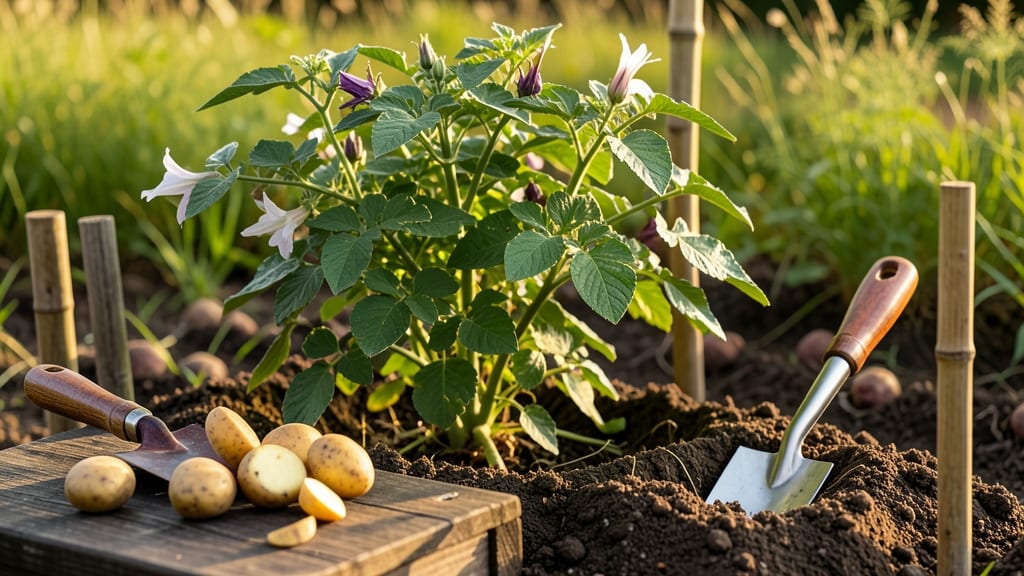
If you've ever planted potatoes in Kentucky only to end up with bitter-tasting "bolters" instead of crisp, flavorful spuds, you're not alone. The secret to a successful harvest lies in timing—specifically, knowing when to plant potatoes in Kentucky to avoid the dreaded bolting phase.
In USDA Zones 6b-7a, where Kentucky falls, the ideal window for planting potatoes is narrow but critical. Planting too early risks frost damage, while planting too late can trigger premature flowering. I'll break down the exact dates and strategies to help you grow potatoes that store well and taste amazing.
Kentucky's climate—with its unpredictable frost dates and heat spikes—demands a precise approach. Whether you're a seasoned gardener or a first-timer, understanding the perfect planting timeline for your region will make all the difference in your harvest.
From soil temperatures to frost-free days, I'll walk you through everything you need to know to plant potatoes at the right time. Let's get those spuds growing the way they should!
Kentucky potato planting calendar: exact dates for USDA Zones 6b/7a
Kentucky’s USDA Zones 6b/7a offer a 165-day frost-free window, but planting potatoes too early or late can trigger bolting (premature flowering) or frost damage. The key is planting 2-4 weeks before your last frost date, typically mid-March to early April for most of the state.
Louisville’s urban heat island effect may shift this window 1 week earlier, while cooler Appalachian regions might need 1 week later.
For zero-bolt success, aim for soil temperatures between 45°F and 55°F at planting depth. Use a soil thermometer to confirm—cold soils delay sprouting, while warm soils (above 60°F) accelerate growth and increase bolting risk.
Kentucky’s average last frost date hovers around April 15, but check your local Cooperative Extension Service for precise data.
Here’s your Kentucky potato planting timeline, broken down by variety type and regional adjustments:
| Stage | Action | Ideal Month | Notes |
|---|---|---|---|
| Soil Prep | Test pH (5.8-6.5), add compost | February-March | Use aged manure; avoid fresh |
| Early Varieties | Plant 'Yukon Gold' or 'Red LaSoda' | Mid-March | 60-90 days to harvest |
| Mid-Season | Plant 'Kennebec' or 'Russet' | Early April | 90-120 days to harvest |
| Late Varieties | Plant 'Purple Viking' (storage) | Late April | 120+ days; harvest before frost |
| Frost Watch | Cover seedlings if frost predicted | April-May | Use row covers or mulch |
| Harvest Ready | Dig 'new potatoes' at 60 days | June-August | Full harvest before first frost |
Pro tip: Kentucky’s humidity and summer heat can stress potatoes, so hill soil around stems every 2-3 weeks to encourage tuber formation. Start hilling when plants reach 6 inches tall—this also prevents scab disease, common in Kentucky’s clay-heavy soils.
For urban gardeners in Louisville, consider container growing to extend your season. Use 5-gallon buckets with drainage holes and plant 2 weeks earlier than ground planting. Containers warm up faster, giving you a 10-day head start on the growing season.
If you’re in Eastern Kentucky’s highlands (e.g., Pikeville), delay planting until early April to avoid late spring frosts. These areas often see 10-15°F colder nighttime temps than Louisville, so opt for cold-hardy varieties like 'Chippewa' or 'Katahdin'.
Remember: Kentucky’s summer heat (often exceeding 90°F) can cause bolting in late-planted varieties. If you miss the spring window, consider fall planting in late August for a winter harvest, but use fast-maturing varieties (e.g., 'Early Rose') to avoid frost.
Finally, mark your calendar for June 1—this is Kentucky’s average peak blight risk date. Rotate your potato planting location yearly to prevent Verticillium wilt, a stubborn soil-borne disease that thrives in Kentucky’s humid climate.
Adjusting planting for Kentucky’s microclimates: Louisville vs. Eastern Highlands
Kentucky’s diverse geography means your planting timeline should shift based on where you live. Louisville’s urban heat island can push planting dates 1-2 weeks earlier than the Eastern Highlands, where cooler temperatures prevail. Understanding these microclimates helps you avoid bolting and maximize yields.
In Louisville (Zone 7a), warmer microclimates mean soil warms faster. You can start seed potatoes as early as mid-February in protected beds, while rural areas like Whitley County (Zone 6b) may need to wait until late March to avoid frost damage.
Elevation also plays a role. The Eastern Highlands experience cooler nights, which can delay planting by 7-10 days compared to Louisville. Always check your local frost-free date—Kentucky’s varies from April 15 in the west to May 1 in the east.
Regional Risk Alert
In Louisville’s heat islands, early planting (before March 15) risks early blight from prolonged humidity. The Eastern Highlands face higher late-season disease risks if planted after April 30 due to cooler, wetter conditions.
Action: Adjust mulching—use straw in Louisville (to cool soil) and black plastic in the Highlands (to warm soil faster).
For Louisville gardeners, prioritize early-maturing varieties like 'Red LaSoda' (70 days) to harvest before summer heat triggers bolting. In the Highlands, opt for longer-season types like 'Kennebec' (110 days) to avoid early frost risks.
Always monitor soil temperatures—potatoes need 45°F+ to sprout. Use a soil thermometer in your garden bed. In Louisville, soil may hit this mark by early March, while Highlands may need to wait until late March.
Pro tip: Plant two varieties—one early (e.g., 'Yukon Gold') and one late (e.g., 'Russet Burbank)—to stagger harvests and account for microclimate differences. This ensures you get potatoes regardless of regional delays.