
Plants
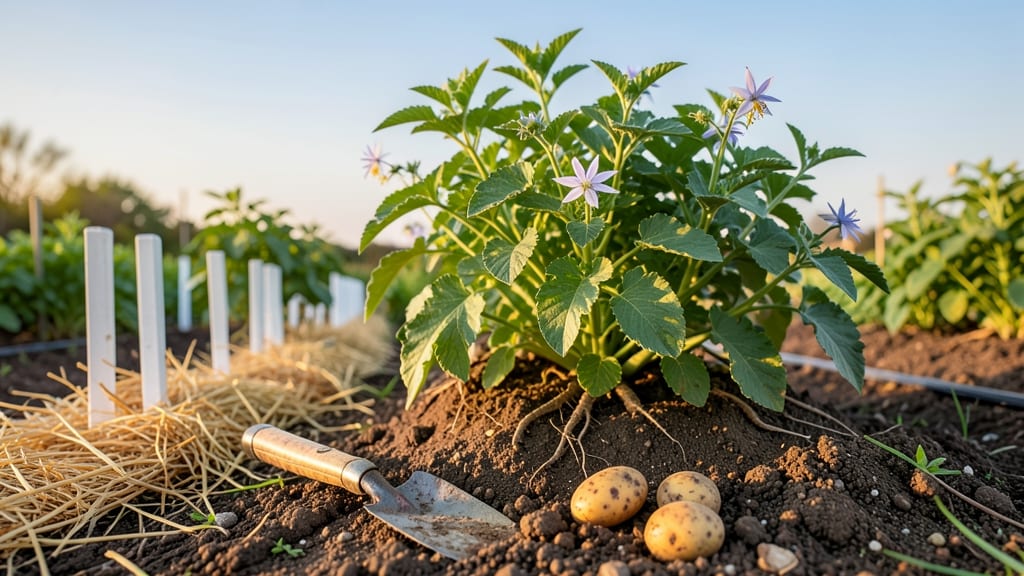
When do you plant potatoes in Pennsylvania can make or break your harvest—especially when you're working with USDA zones 5b-7a and unpredictable spring weather.
If you've ever wondered why some gardeners get bountiful yields while others struggle, the answer often comes down to planting too early or too late. In Pennsylvania, the ideal window opens just 2-4 weeks before your last expected frost date—typically between late March and mid-April for most varieties.
But here's the catch: early varieties like Yukon Golds can handle cooler soil, while late-season potatoes need warmer temperatures to thrive. I'll break down exactly when to plant each type in your specific zone, plus soil prep tips to give your 🥔 plants the best possible start.
Ready to turn your garden into a potato powerhouse? Let's dive into the precise planting schedule that works for Pennsylvania's climate—so you can enjoy homegrown spuds from July through September.
Pennsylvania potato planting schedule by hardiness Zone (exact weeks before last frost)
Pennsylvania spans USDA hardiness zones 5b through 7a, meaning your potato planting window varies by region. In colder northern zones like Erie (Zone 5b), you'll plant 4-6 weeks before last frost, while warmer southern areas like Pittsburgh (Zone 7a) can start 6-8 weeks before.
The average last frost date across PA is April 15, but your local microclimate may shift this by weeks.
For optimal germination, soil temperatures should reach 45°F (7°C). In PA, this typically occurs between late March and early April, depending on your zone. Early varieties like Yukon Golds can tolerate cooler soils, while russet potatoes prefer warmer conditions.
Always check your local frost date averages using the Penn State Extension frost map for precision.
Here’s how to time your planting by zone using weeks before last frost as your guide:
| Zone | Planting Window (Weeks Before Last Frost) | Soil Temp Requirement | Recommended Varieties |
|---|---|---|---|
| 5b (Erie, State College) | 4-6 weeks | 45-50°F (7-10°C) | Kennebec, Red LaSoda |
| 6a (Harrisburg, Allentown) | 5-7 weeks | 50-55°F (10-13°C) | Yukon Gold, Fingerlings |
| 7a (Pittsburgh, Philadelphia) | 6-8 weeks | 55-60°F (13-16°C) | Russet, Purple Peruvian |
🌱 Pro Tip: Use black plastic mulch to warm soil faster in colder zones.
If you’re planting early varieties, aim for late February to early March in southern PA (Zone 7a) to take advantage of cooler spring temperatures. For maincrop varieties, wait until mid-March to early April across all zones.
Always chit your seed potatoes (sprout indoors) 4-6 weeks before planting to jumpstart growth in PA’s unpredictable spring weather.
PA’s first frost typically arrives around October 15, giving you a 165-day growing season. Late varieties like russets need the full season, while new potatoes (harvested early) can be ready in as few as 60 days.
Plan your planting window to align with your harvest goals—early plantings yield smaller tubers faster, while later plantings produce larger harvests.
For container growing, plant 2-4 weeks earlier than in-ground, as pots warm up faster. Use lightweight potting mix and place containers in full sun to maximize heat absorption. In northern PA, consider using a cold frame to extend your season by 2-3 weeks.
Always test your soil pH (ideal range: 5.0-6.5) and amend with compost or aged manure before planting. PA’s clay-heavy soils in many regions benefit from sand or peat moss to improve drainage.
A well-prepared bed ensures your potatoes won’t rot in waterlogged conditions, a common issue in PA’s rainy springs.
Monitor your garden for late-season blight, which thrives in PA’s humid summers. Rotate crops annually and avoid planting potatoes in the same spot every year.
In Zone 7a, you can even squeeze in a fall planting of early varieties in late August for a small harvest before frost.
Use these zone-specific guidelines to avoid frost damage or overly mature tubers by harvest. Adjust for microclimates (e.g., valleys stay cooler longer) and always keep soil consistently moist but not soggy. With the right timing, you’ll enjoy homegrown potatoes from July through September in Pennsylvania’s diverse climate.
How to adjust planting dates for early vs. late potato varieties in PA
Not all potatoes thrive in Pennsylvania’s cool springs and warm summers, which is why choosing the right variety—and planting it at the perfect time—makes all the difference.
Early varieties like Yukon Golds and red potatoes can handle cooler soil temperatures, while late-season types like russets need warmer conditions to mature properly.
In Pennsylvania, I’ve found that early potatoes (60-90 days to harvest) should go in the ground 4-6 weeks before last frost, often as early as late February or March in southern zones.
Meanwhile, late varieties (100+ days) need to wait until 2-3 weeks before last frost, typically mid-April.
Here’s the key: Soil temperature matters just as much as air temperature. Early potatoes can sprout in 40°F soil, while late varieties struggle below 50°F. That’s why I always check soil temps with a soil thermometer before planting—especially in Pennsylvania’s unpredictable spring.
For fingerling potatoes, which are heat-tolerant, I plant them slightly later—around mid-April—to avoid early blight, a fungal disease that thrives in cool, wet conditions.
Meanwhile, russet potatoes, which need more time to mature, get their start in late April to ensure they’re ready for harvest before the first frost.
| Variety | Days to Harvest | Best Planting Window | Soil Temp Requirement | PA Zone Fit |
|---|---|---|---|---|
| Yukon Gold | 60-90 | Late Feb - Early April | 40°F+ | Zones 5b-7a |
| Red Potato | 70-90 | Early March - Mid-April | 45°F+ | Zones 5b-6b |
| Fingerling | 80-100 | Mid-April - Early May | 50°F+ | Zones 6a-7a |
| Russet | 100-120 | Late April - Early May | 55°F+ | Zones 5b-7a |
Pro tip: If you’re in northern PA (Zone 5b), consider chitting your seed potatoes—placing them in bright light to sprout—so they’re ready to plant as soon as the soil warms.
This gives you a 2-week head start on the growing season, which is crucial for beating early blight and frost.
For gardeners in southern PA (Zone 7a), you can even squeeze in a second planting of early varieties in late May for a fall harvest. Just be sure to use disease-resistant varieties like ‘Kennebec’ or ‘Adirondack Red’ to avoid issues in the heat.
Remember, the goal is to have your potatoes harvested before the first frost—typically by mid-October in most of Pennsylvania. With the right timing, you’ll enjoy homegrown spuds from July through September, just in time for fresh mashed potatoes or crispy roasted fingerlings!