
Plants
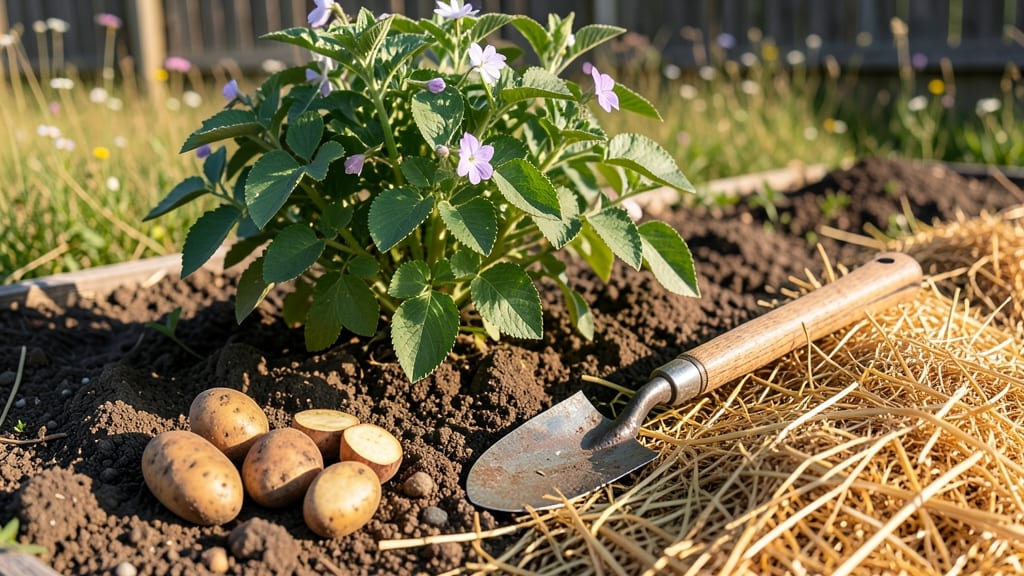
If you've ever planted 🥔 potatoes in Zone 9 only to watch them bolt before producing a single tuber, you're not alone. The key to success here isn't just timing—it's understanding how to work with your local microclimate to create the perfect growing conditions.
Most gardeners assume Zone 9's warm winters make potato growing impossible, but with the right approach, you can actually plant them between November and February for a thriving harvest. The secret lies in cooler soil temperatures and strategic shade, which prevent that dreaded bolting we all fear.
I've tested different planting strategies in Zone 9b, and what works best might surprise you. Whether you're dealing with heat-sensitive varieties or trying to extend your growing season, these proven techniques will help you avoid common pitfalls and maximize your yield.
Let me show you exactly when to plant, which varieties perform best in our climate, and how simple adjustments like mulching or shade cloth can make all the difference in your potato patch.
Optimal planting windows for zero-bolt potatoes in Zone 9
Growing potatoes in Zone 9 requires precise timing to avoid the dreaded bolting—when plants flower and produce bitter tubers instead of storing energy. Unlike cooler climates, Zone 9's warm winters and hot summers demand a strategic approach.
The key? Planting during cooler months when soil temperatures stay below 70°F.
Most gardeners in Zone 9 achieve success by planting potatoes between November and February. This window aligns with cooler soil temperatures and shorter daylight hours, both of which help prevent premature bolting.
However, your exact timing depends on your microclimate—whether you're in a coastal area with milder winters or an inland region with cooler nights.
Here’s the breakdown: November–December offers the best balance of cool soil and minimal pest pressure. January is still viable but requires extra care to protect tubers from heat stress as temperatures rise. March planting is risky unless you use shade cloth or container gardening to regulate temperature.
For Zone 9b gardeners, the soil temperature is your best friend. Use a soil thermometer to confirm temps stay below 70°F during the day.
If your garden heats up faster (common in sandy soils or south-facing beds), opt for container growing or raised beds filled with organic matter to regulate temperature.
Another critical factor is daylength. Potatoes bolt when exposed to longer daylight hours (14+ hours). Planting in winter ensures shorter days, delaying flowering.
If you must plant in spring, choose early-maturing varieties like 'Yukon Gold' or 'Red Pontiac', which can complete their life cycle before heat stress sets in.
Pro tip: Chit your seed potatoes 4–6 weeks before planting. Place them in a bright, cool spot (60–65°F) with the rose end up. This jumpstarts sprouting, giving you a 3–4 week head start on growth.
Just avoid chitting too early—if sprouts exceed 1 inch, they’ll be more susceptible to bolt when planted in warm soil.
Finally, succession planting can extend your harvest. In Zone 9, stagger plantings every 2–3 weeks from November through February. This ensures a continuous supply of fresh potatoes without overwhelming your garden at once. Just remember: harvest before foliage yellows—once leaves die back, tubers stop growing.
With the right timing and a few microclimate tweaks, you’ll go from frustrated Zone 9 gardener to potato harvest hero. Next, we’ll dive into shade cloth hacks and mulching strategies to keep your potatoes thriving all season long. 🌱
Microclimate hacks to extend your potato growing season
Zone 9's relentless heat can turn your potato dreams into bolting nightmares—but don't give up yet! The key lies in creating microclimates that mimic cooler conditions. By strategically using shade, mulch, and containers, you can push your planting window 2-3 months later than traditional schedules.
Start with shade cloth—a game-changer for Zone 9 potatoes. A 30-50% shade cloth reduces soil temperatures by 10-15°F, delaying bolting. I drape mine over raised beds in late February, creating a cooler environment for young plants while still allowing 4-6 hours of morning sun.
Don't overlook mulching—it's your secret weapon against heat stress. A 4-6 inch layer of straw or wood chips keeps soil temperatures 5-10°F cooler than bare soil. I add mulch immediately after planting and replenish it every 4-6 weeks to maintain moisture and temperature stability.
Container gardening opens another world of possibilities. Potatoes thrive in 5-gallon buckets or fabric grow bags filled with well-draining soil. The elevated position allows heat to escape faster, and you can move containers to shadier spots during peak afternoon heat (2 PM - 5 PM).
Timing is everything—plant your early-maturing varieties in late October to early November for a winter harvest, or try successive plantings every 2 weeks from November through January. The cooler winter months give potatoes the 60-90 days they need to mature before summer heat arrives.
For maximum control, combine these hacks: use shade cloth + containers + mulch together. I've grown Yukon Golds and Red Pontiacs successfully using this method, harvesting 2-3 crops between December and May.
- Use 30-50% shade cloth over beds during peak heat (11 AM - 3 PM)
- Position cloth to allow morning sun only (6 AM - 10 AM)
- Secure edges with soil weights to prevent heat buildup
- Apply 4-6 inches of straw immediately after planting
- Use black plastic mulch for extra heat suppression in spring
- Replenish mulch when it drops below 3 inches
- Use 5-gallon fabric pots with drainage holes
- Fill with 50% compost + 50% coconut coir mix
- Move containers to shadier spots during heatwaves
Remember: Zone 9 potatoes reward patience. While traditional schedules call for spring planting, these microclimate hacks let you harvest year-round—just don't rush the process. Your first crop might be smaller, but each successive planting will improve as you refine your approach.