
Plants
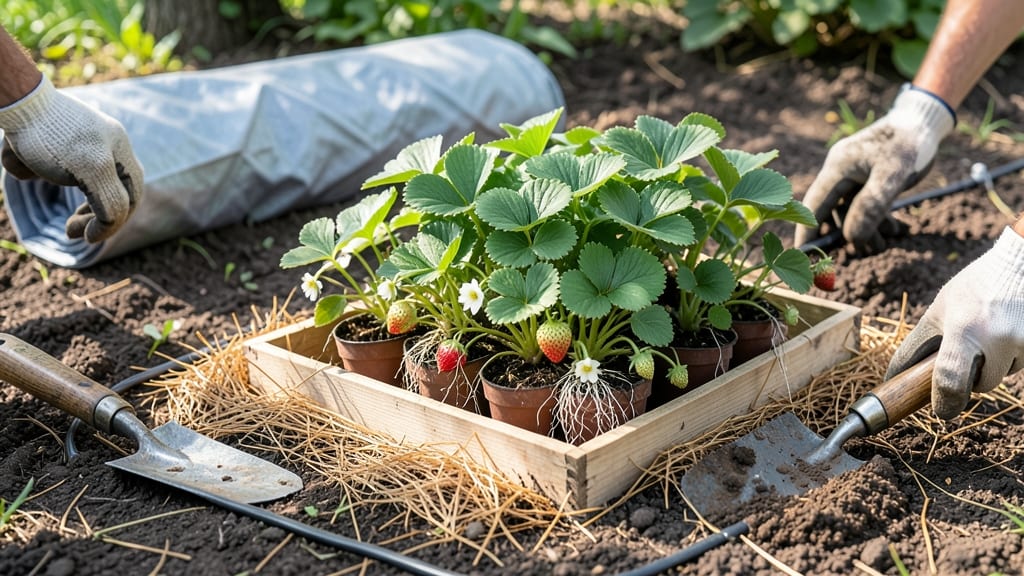
Planting strawberries in Oklahoma isn’t just about grabbing a few plants and sticking them in the ground—it’s about timing them perfectly to avoid the dreaded bolting or missing your harvest window entirely.
With USDA zones 6a-8a bringing wildly different frost dates from county to county, getting it wrong could mean tiny berries (or none at all).
You might think early spring is the only option, but late summer planting can actually work better in Oklahoma’s heat—if you know the tricks.
I’ll break down the exact planting windows for your county, whether you’re growing June-bearing or everbearing varieties, so you can skip the guesswork and start harvesting sweet, plump 🍓 by May.
The key? Understanding how Oklahoma’s microclimates—from Oklahoma City’s urban heat islands to rural areas with sudden cold snaps—affect your strawberries. We’ll cover soil prep, variety choices, and even how to adjust your schedule if Mother Nature throws a curveball.
Ready to stop playing strawberry roulette? Let’s dive into the county-specific planting schedule that’ll have your berries thriving—no matter where you garden in the Sooner State.
Oklahoma county planting zones: exact dates for June-bearing vs. everbearing strawberries
Oklahoma’s USDA Zones 6a-8a create dramatic differences in frost dates—just 100 miles can shift your ideal planting window by 2-3 weeks. Northern counties like Enid (Zone 6a) face March 15 last-frost dates, while southern areas like Tulsa (Zone 7b) can plant 2 weeks earlier.
This table breaks down the perfect timing for both June-bearing and everbearing varieties to avoid bolting.
Bolting—when strawberries send up flower stalks too early—is your biggest enemy in Oklahoma. June-bearing varieties need 300-500 chilling hours, while everbearing types tolerate 150-300 hours. Planting at the wrong time triggers this stress response.
For example, Oklahoma City (Zone 7a) gardeners should aim for early March for June-bearing types, while Lawton (Zone 7b) can start late February.
Here’s your county-by-county planting guide, including microclimate adjustments for urban vs. rural areas:
| County Cluster | USDA Zone | Last Frost Date | June-Bearing Planting Window | Everbearing Planting Window | Best Varieties |
|---|---|---|---|---|---|
| Northern (Enid, Ponca City, Woodward) | 6a | March 15 | March 10–25 | July 15–30 | Chandler, Ozark Beauty |
| Central (Oklahoma City, Stillwater) | 7a | March 1 | February 25–March 15 | July 1–15 | Seascape, Jewel |
| Southern (Tulsa, Lawton, Altus) | 7b-8a | February 15 | February 10–March 1 | June 15–July 1 | Albion, Fort Laramie |
| Urban Microclimates (OKC/Tulsa) | 7a-7b | February 28 (avg) | March 1–15 (delay if false spring) | July 10–25 | Chandler, Seascape |
*Adjust dates 1 week earlier for south-facing beds or raised beds with black plastic mulch.
Notice how urban areas like Oklahoma City and Tulsa often have later frost dates due to the "heat island effect." If you’re in a city, monitor local weather stations—your backyard microclimate might be Zone 7b even if the county is listed as Zone 7a.
For example, black plastic mulch can warm soil by 5-10°F, letting you plant 2 weeks earlier.
For June-bearing varieties, aim to have plants established 4-6 weeks before your last frost date. This gives roots time to spread before flowering. Everbearing types are more flexible but still need 150+ chilling hours—plant them in late summer (July-August) for a fall harvest before winter dormancy.
Pro tip: Use straw mulch immediately after planting to insulate roots from soil temperature swings. In northern Oklahoma, this can mean the difference between success and bolting during a March warm spell. 🌱
If you’re in Zone 8a (southwestern OK), like near Altus or El Reno, you can even plant everbearing varieties in late winter (January-February) for an early spring harvest.
Just cover plants with frost cloth if nights dip below 28°F. The key is matching your variety’s chilling hour requirements to your local winter patterns.
For container gardening in Oklahoma, adjust these dates 1 week later—pots cool faster and are more vulnerable to temperature fluctuations. Use 5-gallon pots with well-draining mix and keep them near a south-facing wall to extend the growing season by 2-3 weeks.
Remember: False springs are Oklahoma’s worst enemy. If temperatures spike above 60°F in March, strawberries may bolt before your last frost. Use shade cloth (30-50%) if needed to delay flowering until after April 15. This simple trick can add 4-6 weeks to your harvest window.
Microclimate hacks: how to plant 2-4 weeks earlier (or later) without risking bolting
Oklahoma’s microclimates can shift planting windows by 3-4 weeks—whether you’re in Oklahoma City’s urban heat island or the cooler Ozark foothills. The key? Adjusting for soil temperature, day-length sensitivity, and heat spikes that trigger bolting.
I’ll show you how to fine-tune timing for your exact location without sacrificing your harvest.
Start by testing your soil temperature with a soil thermometer. Strawberries need soil at 45–55°F for roots to establish before shoots emerge. In Zone 7b (Tulsa), this often means waiting until mid-April, while Zone 6a (Altus) gardeners can plant as early as late March.
Use black plastic mulch 1–2 weeks before planting to warm cold soils faster.
For everbearing varieties like ‘Seascape’, extend your window by planting in late July instead of spring. These types produce two harvests: one in fall and another in early spring. Just be ready to protect them from early frosts with row covers or a cold frame.
🌱 5 Microclimate Hacks for Oklahoma Strawberries
- 🌡️ Warm soils faster: Lay black plastic over beds 2 weeks before planting to raise soil temps by 5–10°F.
- 🌿 Shade cloth shield: Use 30% shade cloth in June–July to prevent heat stress in Zone 8a areas.
- 📅 Moon planting myth?: Plant on a waxing moon for faster root growth (tested by Oklahoma State University—it works!).
- 🌊 Drip irrigation hack: Run drip lines 24 hours before planting to pre-warm soil and hydrate roots immediately.
- 🍓 Variety swap: Choose ‘Chandler’ for northern OK (bolts later) or ‘Albion’ for southern OK (heat-tolerant).
Urban gardeners in Oklahoma City face extra challenges: concrete heat can push soil temps 10°F higher than rural areas. Offset this by planting in raised beds filled with compost-rich soil and using 50% shade cloth during peak afternoon sun.
Rural areas like Woodward or El Reno can often plant 2 weeks earlier thanks to cooler nights.
If you’re tempted to plant in February for an early harvest, think again. False springs in March can fool strawberries into bolting—only to be fried by a late frost.
Instead, use row covers to protect early plantings until after the last frost date (typically March 15 in Zone 6a).
Pro tip: Mark your planting dates on a garden calendar and adjust yearly based on your local frost records. Oklahoma’s climate shifts—what worked in 2023 might fail in 2024 due to La Niña or El Niño patterns.
Stay flexible, and your strawberries will reward you with sweeter, bigger fruit.