
Plants
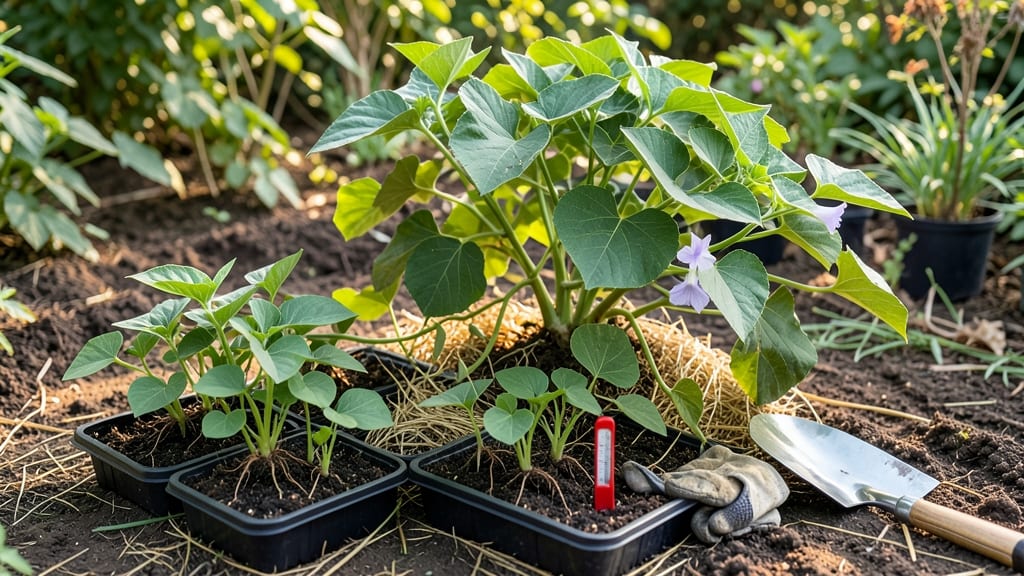
Planting sweet potatoes in Texas isn’t just about dropping slips into the dirt—it’s about timing them perfectly to beat the heat and avoid frost damage.
The ideal window for most regions is between March and May, but whether you’re in North Texas or the Gulf Coast, getting it wrong could mean smaller yields or even total crop failure.
Texas gardeners know the stakes: too early, and your 🍠 slips will rot in cold soil; too late, and summer’s scorching sun will stress your plants before harvest. The secret lies in soil temperature—wait until it hits 60-65°F—and adjusting for your specific zone (8a-11).
I’ll break down the exact dates by region so you can plant with confidence.
Beyond dates, there’s more to success than meets the eye. Should you harden your slips before planting? How do you protect them from Texas’ unpredictable storms? And what’s the best way to extend your growing season for a later harvest?
Let’s tackle these questions so you can grow sweet potatoes like a pro.
The right timing isn’t just about when you plant—it’s about how you prepare. From soil prep to weather watch, I’ll share the game-changer tips that separate a good harvest from a great one. Ready to dig in?
Optimal planting dates for sweet potatoes in Texas by soil temperature
Sweet potatoes thrive in Texas’ heat, but timing your planting based on soil temperature and regional climate zones is the secret to a high-yield harvest. Unlike cool-season crops, sweet potatoes demand warm soil (60–65°F) to establish roots quickly.
Planting too early in cold soil leads to rot and poor growth, while waiting too long risks peak summer storms that drown tender slips.
Texas spans USDA Zones 8a–11, creating distinct planting windows. North Texas gardeners (Zones 8a–9a) should aim for March–May, while South/East Texas (Zones 9b–11) can start as early as late February. Central Texas (Zone 8b) falls in between, with ideal dates from early March to early May.
Always check your last frost date—North Texas faces frost until February 15, while South Texas stays frost-free year-round.
Here’s the golden rule: Wait until soil temperatures consistently reach 65°F at a depth of 4 inches. Use a soil thermometer to monitor—this is especially critical in West Texas, where daytime heat doesn’t always translate to warm soil.
In East Texas, humidity and frequent rains can delay planting if soil stays cool.
Avoid planting during peak summer storms (June–August), as heavy rains cause waterlogged soil and disease pressure. Instead, prioritize spring planting for a fall harvest before the first frost hits (as early as November 15 in South Texas).
🌱 Texas Sweet Potato Planting Guide by Region
| Region | USDA Zone | Ideal Planting Window | Soil Temp Requirement | Harvest Window |
|---|---|---|---|---|
| North Texas (Dallas, Lubbock) | 8a–9a | March 15–May 1 | 60–65°F (4" deep) | October–December |
| Central Texas (Austin, San Antonio) | 8b–9a | March 1–May 10 | 60–65°F (4" deep) | September–November |
| South/East Texas (Houston, Beaumont) | 9b–11 | February 15–April 30 | 60–65°F (4" deep) | August–November |
| West Texas (El Paso, Midland) | 8a–8b | April 1–May 15 | 65–70°F (4" deep) | September–October |
Pro Tip: Use black plastic mulch to warm soil faster in cooler regions like North Texas. 🌡️
For extended growing seasons, some Texas gardeners plant a second crop in late June—but this requires drip irrigation and shade cloth to protect slips from intense summer sun. Always choose disease-resistant varieties like Beauregard or Georgia Jet, which handle Texas’ humidity better than standard types.
If you’re in Zone 10–11 (South Texas), you can even plant year-round, but avoid peak hurricane season (June–November), when flooding can ruin crops. Instead, aim for spring and fall plantings to align with natural rainfall patterns.
One common misconception is that sweet potatoes can handle any Texas heat. While they love warmth, prolonged temperatures above 95°F slow tuber development. Use shade cloth (30–50%) during peak afternoon heat to maintain optimal growing conditions
How to time sweet potato slips for Texas’ heat and rainy seasons
Texas’ long, hot summers and sudden spring storms can sabotage sweet potato harvests if you’re not strategic. The key? Planting slips when soil is warm but before summer’s brutal heat sets in.
For most of Texas, this means April through early June, but your exact timing depends on whether you’re in Houston’s humidity or West Texas’ dry heat.
In South Texas (Houston, Corpus Christi), aim for late March to April—soil warms faster there, and you’ll avoid the oppressive July-August heat. Meanwhile, North Texas (Dallas, Fort Worth) gardeners should wait until mid-April to May when nighttime temps stay above 60°F.
West Texas growers can push to early June thanks to cooler nights.
🌱 Pro Tip: Use a soil thermometer to confirm temps hit 65°F before planting. Cold soil slows root growth and invites rot.
Expose slips to direct sunlight for 3-5 days before planting to toughen vines. Start with 2-3 hours/day and gradually increase.
Plant before May’s heavy rains—excess moisture causes fungal diseases like black rot. Clear drainage is a must.
Apply 3-4 inches of straw after planting to retain moisture and regulate soil temp. Replenish every 4-6 weeks.
For a fall harvest, plant slips in late June (South Texas) or early July (North/Central). Use shade cloth to protect from extreme heat.
Avoid planting during forecasted 100°F+ heat waves. Sweet potatoes wilts under stress, reducing tuber size.
Timing isn’t just about the calendar—it’s about reading your microclimate. If your yard gets afternoon shade, you can plant 2 weeks later than neighbors with full sun. And always keep 10% of slips in reserve for replanting if early storms damage your crop.
🌿 Remember: Sweet potatoes thrive in consistent warmth, not heat spikes. The goal is to give them 120-150 days of steady growth before harvest—so plan backward from your first frost date.