
Plants
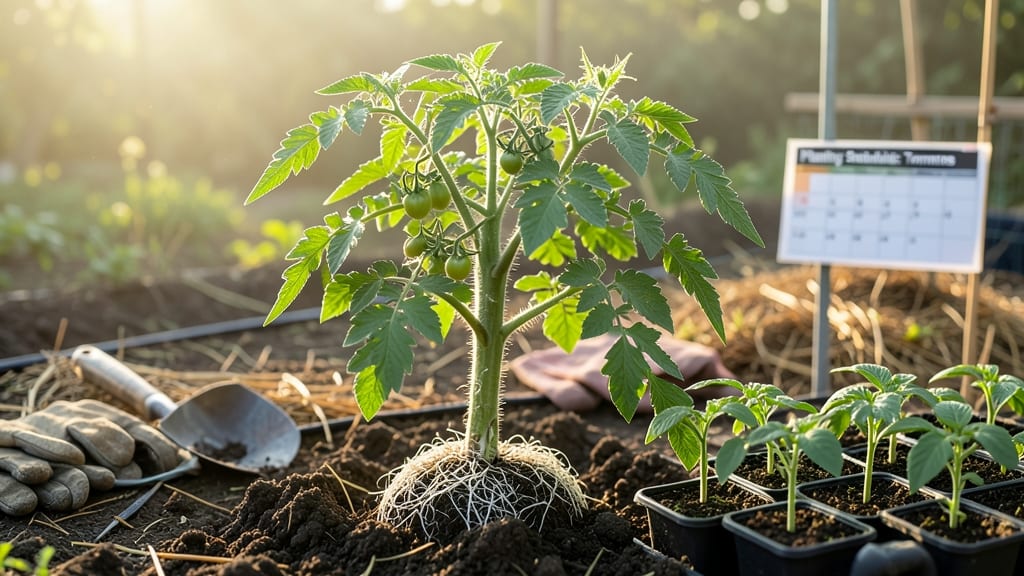
Planting tomato plants 🍅 in Pennsylvania isn’t just about waiting for spring—it’s about timing it perfectly to avoid late frosts that can wipe out your garden before it even starts. With USDA zones ranging from 5b in the north to 7a in the south, your county’s last frost date could mean the difference between a bumper crop and a sad, wilted plant.
Most gardeners in Pennsylvania wait until mid-April to early June to transplant seedlings, but that window shifts dramatically depending on whether you’re in Philadelphia’s urban heat islands or the cooler Poconos.
Even experienced growers make the mistake of planting too early when soil temperatures are still below 60°F, which stunts root growth and invites disease.
In this guide, I’ll break down the exact planting deadlines by zone, including how to adjust for early vs. late varieties and common regional challenges like wind exposure in open fields.
Whether you’re a first-time gardener or a veteran with a few failed attempts under your belt, these insights will help you get your tomatoes in the ground at the perfect moment.
You’ll also discover how to extend your harvest season using row covers and cold-hardy tricks—because in Pennsylvania, where first frost can hit as early as October 15, every extra week counts. Let’s get those plants growing!
Pennsylvania tomato planting deadlines by USDA Zone (with county examples)
Timing is everything when planting tomato plants in Pennsylvania. The Keystone State spans USDA zones 5b through 7a, meaning your last frost date could range from mid-April in southern counties to late May in the Poconos.
Plant too early, and a late frost will kill your seedlings. Too late, and you’ll miss the 60-90 day harvest window for most varieties.
Most Pennsylvania gardeners focus on transplanting seedlings (not direct sowing), since starting tomatoes indoors gives you a head start. The ideal soil temperature for transplanting is 60°F or warmer, with nighttime temps consistently above 50°F.
Below that, roots struggle to establish, and your plants may wilt or develop blossom end rot.
Here’s the breakdown by zone, with county-specific examples for the most popular gardening regions:
For gardeners in Zone 5b (north-central PA), like those in Scranton or Wilkes-Barre, the last frost date often slips into early May. This means you should hold off transplanting until after May 15 to avoid frost damage.
In contrast, gardeners in Zone 7a (southern PA), such as those in Harrisburg or Lancaster, can plant as early as mid-April, giving them a longer growing season.
Microclimates play a huge role in Pennsylvania. For example, Erie County near Lake Erie has cooler summers due to lake breezes, while Chester County experiences hotter, drier conditions. If you’re near a large body of water, expect 2–3°F cooler temps and adjust your planting dates accordingly.
Use a soil thermometer to confirm readiness—60°F soil is non-negotiable for healthy root growth.
One common mistake is relying solely on calendar dates rather than actual frost records. Check your local Cooperative Extension Service for updated frost data—some years, late frosts can push back planting by 2 weeks or more.
For instance, in Pittsburgh (Zone 6a), the average last frost is May 10, but 2020 saw frosts as late as May 25.
Pro tip: If you’re in a transition zone (like Zone 6b), stagger your plantings. Start with early-maturing varieties like 'Early Girl' (60 days) in mid-April, then follow up with heirlooms like 'Brandywine' (85 days) in early May. This extends your harvest window from July to October.
Finally, don’t overlook container gardening if your yard is prone to late frosts. Containers warm up faster and can be moved to sheltered spots. Just ensure your pots have drainage holes and use lightweight potting mix to prevent overheating.
How to adjust planting dates for early vs. late varieties (and avoid common mistakes)
Choosing the right tomato variety for your Pennsylvania garden isn’t just about flavor—it’s about matching your planting window to the plant’s maturity timeline.
Early-season varieties like 'Stupice' or 'Mountain Merit' can handle cooler soils and shorter growing seasons, while late-season 'Brandywine' or 'Cherokee Purple' need more heat to ripen fully. Planting a heat-loving variety too early in the north or a cool-loving one too late in the south guarantees disappointment.
For USDA Zone 5b (e.g., Erie or Scranton), start with early varieties by May 1 to avoid frost damage, while Zone 7a (e.g., Philadelphia or Pittsburgh) can safely plant late varieties until June 15.
The key is calculating your frost-free days—most tomatoes need 70–90 days to mature, so adjust your planting date backward from your expected first frost.
Here’s a simple rule: If your last frost is April 15 (like in Lancaster), plant early varieties by April 20 and late varieties by May 15. For Zone 6a (e.g., State College), shift those dates 1–2 weeks later.
Pro tip: Use a planting calendar or local Almanac frost dates to fine-tune your schedule.
✅ DO THIS
- Test soil temp with a soil thermometer—wait until it hits 60°F+.
- Stagger plantings for continuous harvests (e.g., early + late varieties).
- Use row covers for 2–3 weeks after transplanting to protect from late frosts.
- Choose dwarf varieties (e.g., 'Tiny Tim') for shorter seasons.
❌ AVOID THIS
- Planting when soil is cold (below 55°F) stunts roots.
- Ignoring wind exposure—use windbreaks in open fields.
- Skipping hardening-off seedlings before transplanting.
- Overcrowding plants—keep 18–24 inches between tomatoes.
One of the biggest mistakes I see in Pennsylvania gardens is planting too early just because the calendar says "spring." Cold soil slows root growth, making plants vulnerable to disease and pests. Always dig down 6 inches to check soil temperature—if it’s below 60°F, wait.
Another pitfall? Overestimating your growing season. In northwestern PA, where frosts can linger into May, opt for cold-tolerant hybrids like 'Glacier' or 'Solar Fire'.
For container gardening in cities like Philadelphia, where microclimates vary by block, monitor your specific conditions. Urban heat islands can push planting dates 1–2 weeks earlier, but wind exposure near tall buildings may require extra protection.
Use black plastic mulch to warm soil faster and stake or cage plants early to prevent wind damage. Remember: Tomatoes hate soggy roots, so amend heavy clay soil with compost to improve drainage.
Finally, keep a gardening journal to track your success. Note which varieties thrive in your zone, when you planted, and any unexpected weather (like a late frost in June).
Over time, you’ll refine your schedule to perfection—because in Pennsylvania, where weather is unpredictable, flexibility is just as important as timing. 🌱